The Agency for Waste Management and Circular Economy Development held a media briefing on July 8 to discuss the creation of a system for the disposal of end-of-life vehicles. The event was attended by Umarjon Abdullayev, head of the department for waste accounting and disposal. Officials answered pressing questions from the public and bloggers.
According to the agency, Uzbekistan currently has about 5 million motor vehicles, of which approximately 100,000 are in disrepair. These vehicles account for 63% of all harmful emissions in cities. Moreover, scrapping a single old car generates up to 50 kg of hazardous solid waste, in addition to tons of metal and plastic. To address environmental concerns and modernize the vehicle fleet, a draft regulatory act was developed.
Following extensive public discussion and feedback, the draft law is undergoing a radical overhaul. The most significant change is the removal of the controversial provision that required owners of vehicles aged 30 years or older to pay an annual environmental compensation of 30 times the basic calculation value (BCV).
Instead of administrative coercion, the government is turning to market-based economic incentives. Under the new system, a network of independent vehicle appraisal and recycling enterprises will be established through open and transparent tenders. Old vehicles will be assessed at fair market value. Even non-functional cars that cannot move will be inspected on-site by specialists.
After appraisal, owners can choose to receive either a cash payment equal to the assessed value or a special voucher. A key feature is that this voucher can be used as a down payment when purchasing a new car from official dealers. The voucher amount is deducted from the new car's price, and the remaining balance can be paid in interest-free installments over 2 to 7 years.
If a citizen decides not to use the voucher, they can receive its cash value within one month. Meanwhile, part of the operators' costs for appraisal and disposal will be compensated from the recycling fee fund according to established calculations.
The benefits of the proposed system can be illustrated with a simple example. Currently, when buying a new car from an official dealer, the buyer typically must make a down payment of at least 30-50% of the car's price, with the remainder paid over 3-5 years with interest. For instance, purchasing a Cobalt worth 165 million soums requires an immediate outlay of at least 50 million soums.
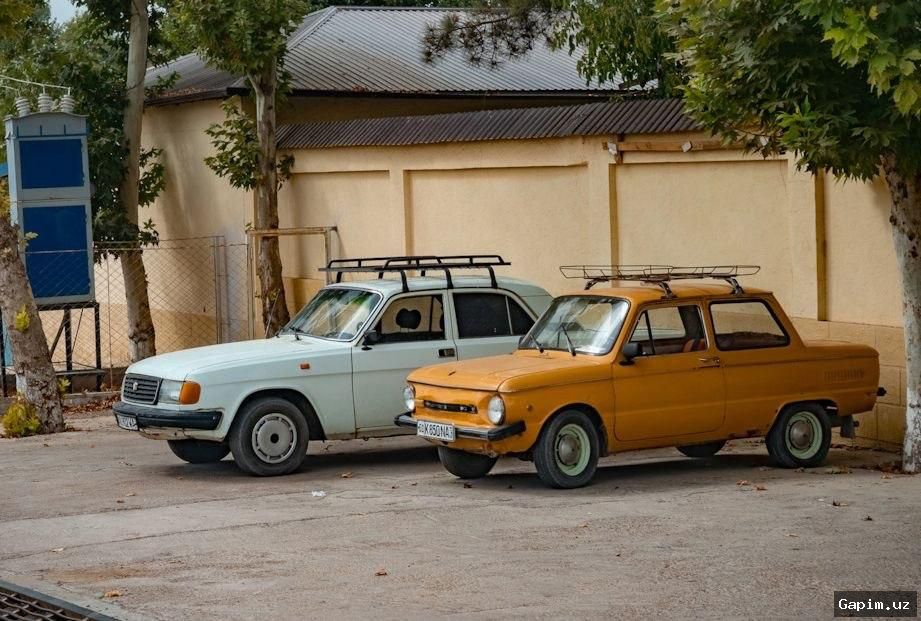
The new system aims to solve this problem. For example, if a citizen owns a GAZ-24, Moskvich, or first-generation Nexia, its market value today could range from 5 to 70 million soums, depending on condition.
Even if the old car is appraised at the minimum of 5 million soums, no down payment is needed for the new 165 million soum Cobalt. The remaining 160 million soums can be paid in equal monthly installments of 1.9 million soums over seven years with zero interest, after which the citizen becomes the owner of the new car.
If the old car is in good condition and appraised at 70 million soums, the monthly payment for the remaining cost of the new Cobalt over seven years would be 1.13 million soums.
The implementation of this mechanism is expected to reduce the negative environmental impact of outdated, worn-out, and defective vehicles, while ensuring a gradual renewal of the country's vehicle fleet.
Work on the draft is not yet complete. As the document touches on important social issues, further refinement will take into account the opinions of residents and consultations with experts. The agency has invited the public to actively participate in the discussion and submit proposals, comments, and constructive recommendations.
Source: kun.uz