The system of protecting children's rights in Uzbekistan has undergone significant changes in recent years, but existing problems remain serious. In an interview with Gazeta, the Oliy Majlis Commissioner for Children's Rights, Children's Ombudsman Surayyo Rakhmonova, spoke in detail about the achievements and shortcomings of the system.
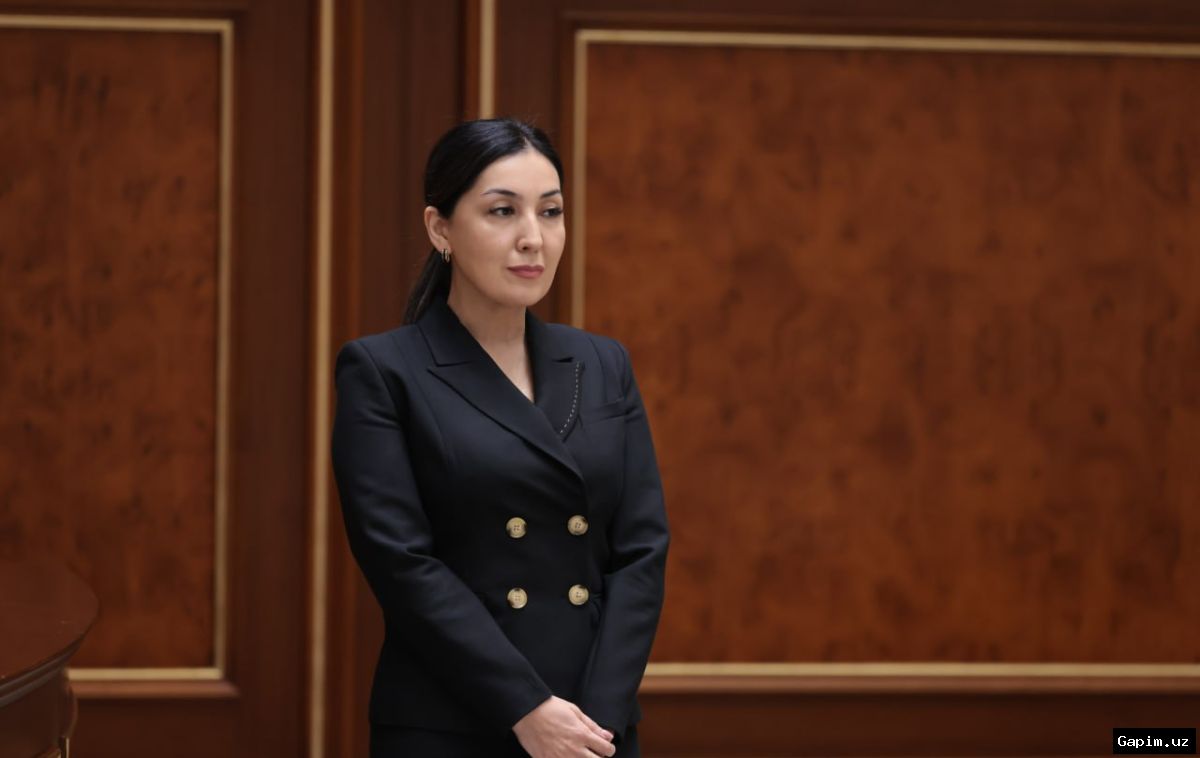
Rakhmonova noted that Uzbekistan is a leading country in Central Asia in implementing international documents on children's rights. However, global digital threats, online violence, and other new challenges require intensive work from the system. According to her, the main task of the children's ombudsman is to protect the interests of the child at all levels of the state and society, as well as to assess the performance of state bodies in this regard.
In 2025, the number of appeals to the children's ombudsman increased by 80% compared to 2024. In the first half of 2026, 30% more appeals were received than in the same period of 2025. Rakhmonova views this growth as a positive trend: 'The increase in appeals indicates that problems are emerging from the taboo and latent zone, and a firm response is being shown to them.'
According to the analysis of appeals, in 2025, 18.4% concerned personal rights and freedoms of the child, 39% — social rights, 2.5% — economic and environmental rights, and the remaining 39% — other issues. The most frequent appeals are about violence against children (15%), alimony (material support), and family environment.
Rakhmonova noted a decrease in cases of violence against children, but an increase in problems related to alimony and family conflicts. According to her, during divorce proceedings, children often become tools of revenge, and they suffer the most. 'Parents act based on personal animosity, and against this background, the child suffers,' she said.
The institution of the children's ombudsman gained independent status in 2021. Rakhmonova has been in this position for 3 years. During this time, 5 legislative acts were developed on the initiative of the children's ombudsman, and more than 100 documents were reviewed. Work is also underway to improve the qualifications of state employees in cooperation with UNICEF.
Regarding the Dok-1 Max case, Rakhmonova reported that strict control has been established in the pharmaceutical sector, and in 2024, a presidential decree strengthened the pharmacological supervision system. According to her, licensing requirements for drug manufacturers have been revised, and international standards have been introduced.
Surayyo Rakhmonova emphasized the importance of society's role in protecting children's rights, concluding: 'A child is an independent holder of rights enshrined in the Constitution and law. Until this worldview is formed in society, we will continue to face problems.'
Source: www.gazeta.uz