Tashkent is set to implement projects for the construction of cogeneration units with a total electrical capacity of 203 MW across seven districts. The projects will be carried out under public-private partnership (PPP) arrangements, according to the state-owned company 'Thermal Electric Stations'.
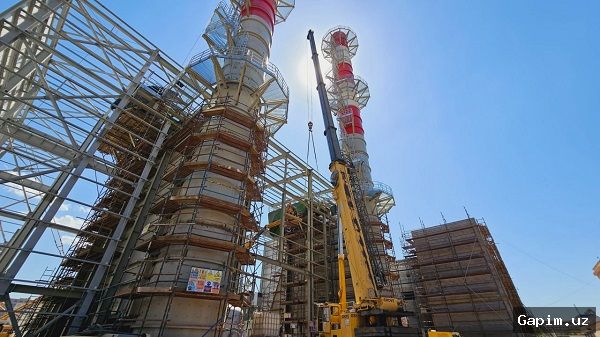
The new facilities will be located in the Mirzo Ulugbek, Yangihayot, Yashnobod, Uchtepa, Mirobod, Shaykhantakhur, and Yunusabad districts of the capital. They are expected to provide heat to 615 facilities, including 549 multi-story residential buildings, 17 schools, 26 kindergartens, and 7 medical institutions.
Investors in the projects include Tashgen B.V., registered in the Netherlands, as well as Turkish companies Pales Mühendislik Yatirimlari San. Tic. A.Ş. and Şekerci Endüstriyel İç ve Dış Tic. Ltd. According to slides published by the Tashkent city administration, the total investment in the projects is estimated at $173 million.
The construction is stipulated by a Cabinet of Ministers resolution dated January 20, 2023. The cogeneration facilities are planned to be located, among other places, in the peripheral areas of Tashkent's heating networks.
Once all seven projects are completed, the stations are expected to supply approximately 1.5 billion kWh of electricity to the grid annually and deliver around 1.2 million Gcal of thermal energy to consumers. Annual natural gas consumption is projected at about 370 million cubic meters. The projects are also expected to create 80 new jobs.
Similar facilities are already operating in Tashkent. The need for additional heat supply sources was discussed following problems during the winter of 2022-2023. In December 2022, President Shavkat Mirziyoyev visited the Chilanzar heating center. During that period, a drop in gas pressure was observed amid a sharp cold snap, and outdated equipment and heating networks led to additional heat losses.
The president then proposed seeking alternative heat generation sources, including installing compact stations in Tashkent that operate on the principle of simultaneous electricity and heat production. One such project was implemented in cooperation with Turkish company Iltekno in the Aktepa and Bogzor mahallas of Chilanzar district. This week, Tashkent mayor Shavkat Umurzakov visited Bogzor mahalla to inspect the new cogeneration substation.
The cost of the unit was $10 million. It has an electrical capacity of 4.6 MW and a thermal capacity of 29 Gcal per hour. According to the company, the facility can produce about 41 million kWh of electricity and 219,000 Gcal of heat annually, saving about 5.3 million cubic meters of natural gas. The station supplies energy to 50 multi-story buildings, seven social institutions, and a number of commercial facilities.
After visiting the facility in October 2023, the president instructed that similar projects be implemented in other districts of the capital. Another cogeneration unit was commissioned in the Shon-shuhrat mahalla of Almazar district. The $3.6 million project was also implemented with Iltekno. The station has an electrical capacity of 1.2 MW, a thermal capacity of 6.4 Gcal per hour, and an efficiency of 88%. It can produce about 9.6 million kWh of electricity and 26,400 Gcal of heat per year. Annual natural gas savings are estimated at around 700,000 cubic meters, and harmful emissions are expected to decrease by 67%.
A similar facility was built in the Uzgarish mahalla of Sergeli district. The project cost $5.7 million. The station, with an electrical capacity of 2.3 MW and thermal capacity of 10 Gcal per hour, can generate about 18.4 million kWh of electricity and 46,000 Gcal of heat annually. Its efficiency is also 88%. The company said the project saves about 220,000 cubic meters of gas per year and reduces harmful emissions. The station provides heat and electricity to 52 multi-story buildings, a school, a preschool, another social facility, and local businesses.
Cogeneration involves the simultaneous production of electricity and heat in a single unit. This approach allows for the use of heat that would otherwise be lost during conventional electricity generation, thereby increasing fuel efficiency.
Source: www.gazeta.uz