According to an analytical review by the Central Bank of Uzbekistan on foreign exchange operations of individuals for the first half of 2026, approximately 1.4 million citizens of Uzbekistan are currently engaged in labor activities in nearly 40 countries worldwide. This figure underscores the significant impact of migration flows on the country's economy, affecting remittance volumes and domestic consumption.
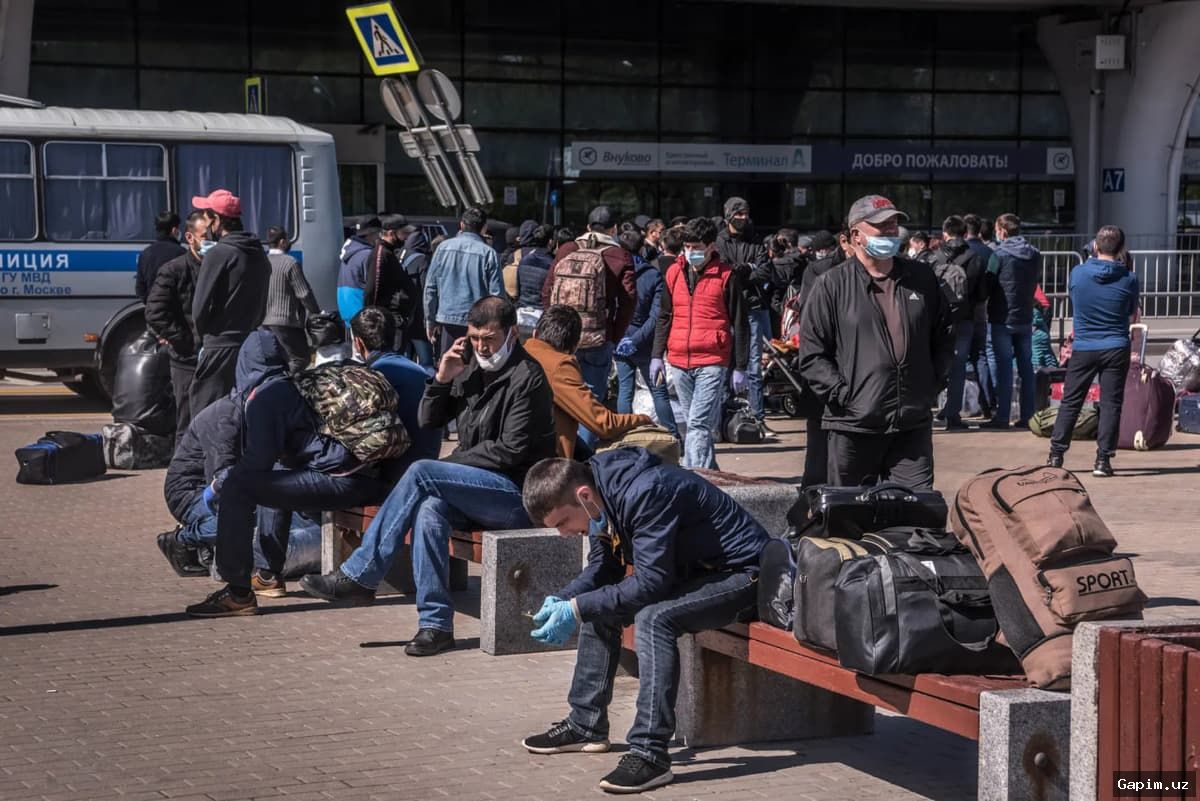
The largest number of Uzbeks continues to work in Russia — 834,200 people. In European countries, 258,000 citizens are employed, in Kazakhstan — 84,400, in Turkey — 72,100, and in South Korea — 46,400. Another 97,700 work in other nations. Of the total labor migrants, 398,900 (28.6%) are women, and 402,100 (28.9%) are youth.
Notable shifts have occurred in the geographic composition: the share of CIS countries has declined by 29%, while the European direction has grown by 42% and East Asia by 26%. This indicates an expansion in the geography of labor migration and the exploration of new markets.
A key economic factor influencing migration decisions is the wage differential between host and sending countries. Since the beginning of this year, 124,500 citizens of Uzbekistan have been employed abroad in high-paying jobs.
The report also highlights promising labor markets for Uzbekistan. It is expected that by 2030, population aging in European countries and the shrinking share of the working-age population will become one of the main structural problems of the labor market. The labor shortage in the region is estimated at 7.5–10.5 million people.
Consequently, demand is expected to rise for workers in mechanical engineering, high-tech manufacturing, infrastructure construction, transport and logistics, agriculture, healthcare, information technology, tourism, and services. In the United States, European countries — primarily Germany, Austria, and the UK — as well as Japan and South Korea, the aging population is projected to increase the need for healthcare, care, and social services workers in the coming years.
Source: uznews.uz