The President of Uzbekistan has signed a decree 'On measures to introduce a new work system into the activities of internal affairs bodies to ensure public safety.' The document establishes a unified system for public security units, aiming to streamline operations and improve responsiveness across the country's law enforcement agencies.
Starting November 1, 2026, patrol and security service units will be required to respond promptly to reports of crimes and incidents received via the 112 emergency system not only in public spaces but also in residential areas. This significant expansion of jurisdiction is intended to reduce response times and enhance the safety of citizens in their homes.
Under the new rules, gastronomic streets operating 24/7 will see public order maintained by patrol units based on contracts between internal affairs bodies and local khokimiyats (municipal authorities). This initiative aims to create a secure environment for nightlife and tourism, though it may impose additional costs on businesses.
Individuals who violate public order during mass events will face temporary bans on attending future events. This measure is designed to deter misconduct and ensure a safer atmosphere for attendees, but critics worry about potential abuses and lack of clear appeal mechanisms.
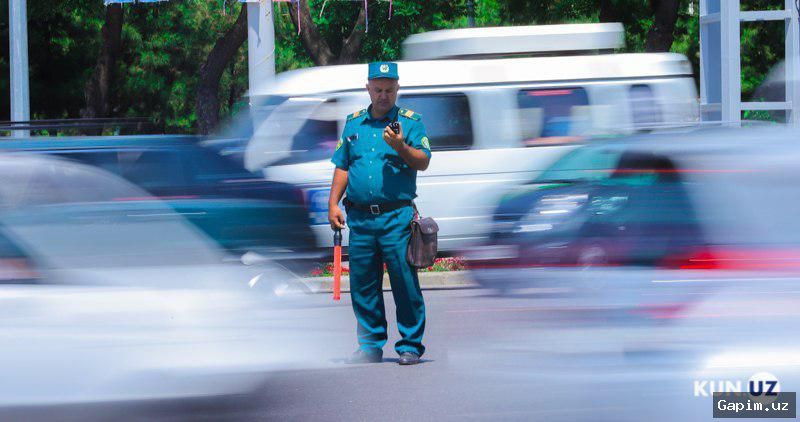
Adopting the principle of 'Different tasks – unified powers,' certain road safety functions will be transferred to patrol and security services. These units will be empowered to clear traffic jams at intersections, near markets, shopping centers, and schools, as well as to respond to road offenses and provide first aid. This overlap of duties could lead to more efficient use of resources, but also raises concerns about coordination between services.
Conversely, the road patrol service will gain authority over public order violations, including the right to detain offenders, deliver them to police stations, and impose administrative fines for littering, illegal waste dumping, and public drinking. While these expanded powers aim to reduce urban disorder, they also increase the discretionary authority of traffic officers, which may lead to heightened scrutiny from human rights groups.
The reform represents a major step in modernizing Uzbekistan's police forces, but its success will depend on adequate training, funding, and oversight. The government claims the changes will improve safety and public trust, yet implementation challenges remain, particularly in rural areas where resources are limited.
Source: uznews.uz