A cemetery and archaeological artifacts dating back to 1700–1500 BCE have been discovered at the Ozod monument in the Shurchi district of Surkhandarya region. The Cultural Heritage Agency reported this. The find could mark a significant step in studying the region's history.
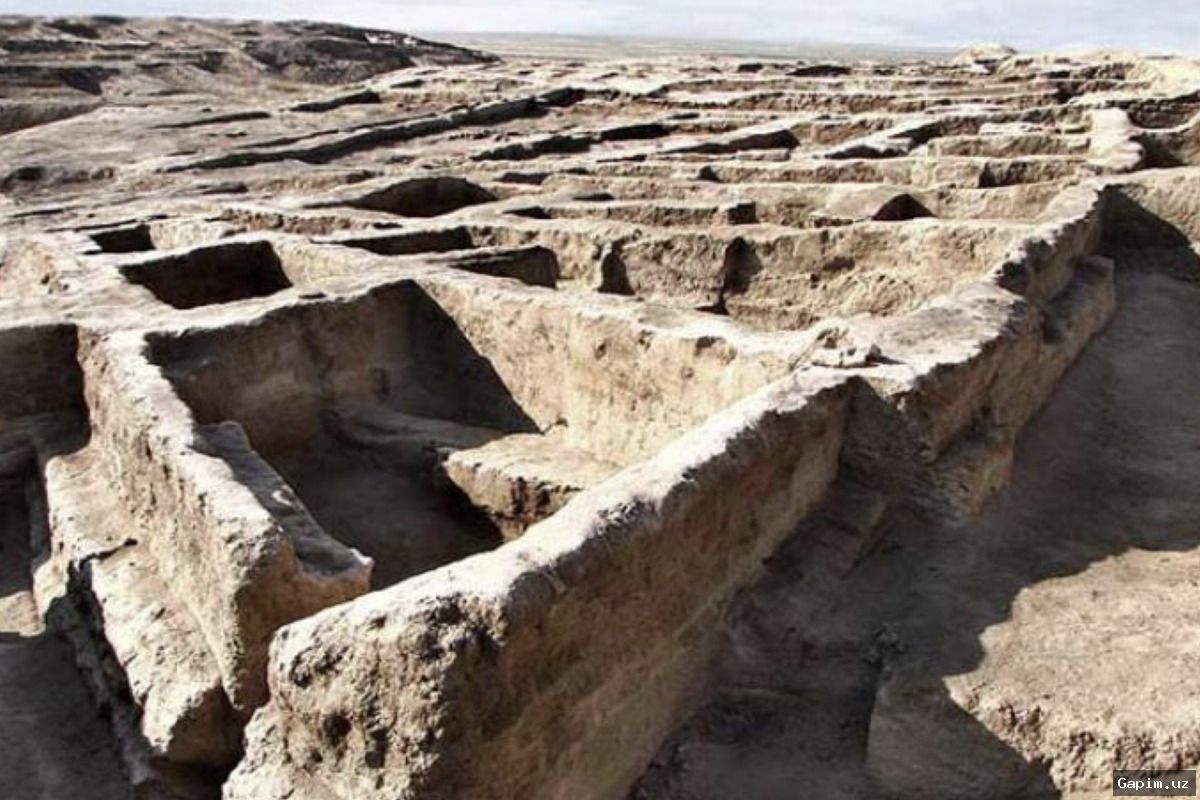
Archaeological excavations are being conducted jointly by the Samarkand Institute of Archaeology named after Yahyo Gulomov and the Silk Road Archaeology Research Center of China's Northwestern University. The work began on August 15. The Ozod monument was identified in 2023 during field surveys in the eastern part of the Surkhandarya basin.
The monument is located southeast of Ozod village, about 6 km southeast of Dalvarzintepa. Its area is approximately 200×100 meters. Experts have identified about 100 graves at the site. This year, archaeological research is being conducted in more than 10 graves in its southwestern part.
According to preliminary results, the structure of the graves and the archaeological materials found in them have features characteristic of Sapalli culture monuments. Radiocarbon (¹⁴C) analysis and comparative-typological study of the archaeological materials indicate that the monument dates back to 1700–1500 BCE. This could provide grounds for revising existing theories about the emergence and development of the Sapalli culture.
The Ozod monument is assessed as one of the oldest cemeteries identified in the Surkhandarya basin. Its study is important for researching the formation and development stages of ancient burial traditions in the region. Currently, archaeological field excavations at the monument are ongoing.
Earlier, it was reported that stone artifacts processed by humans were found at the Arkutsoy Paleolithic monument in the Bostanlyk district. According to preliminary estimates, the layer in which they were discovered formed 320,000–280,000 years ago, and if the dates are confirmed, Arkutsoy could become the oldest archaeological monument in Uzbekistan.
Source: www.gazeta.uz