The Tashkent City Council has approved a project to purchase 10 modern electric trains from the Czech company Škoda Transportation. The decision aims to renew the suburban rail fleet and increase passenger capacity by at least 20%. However, the ambitious plan comes with a hefty price tag and long-term financial commitments that could strain public finances for decades.
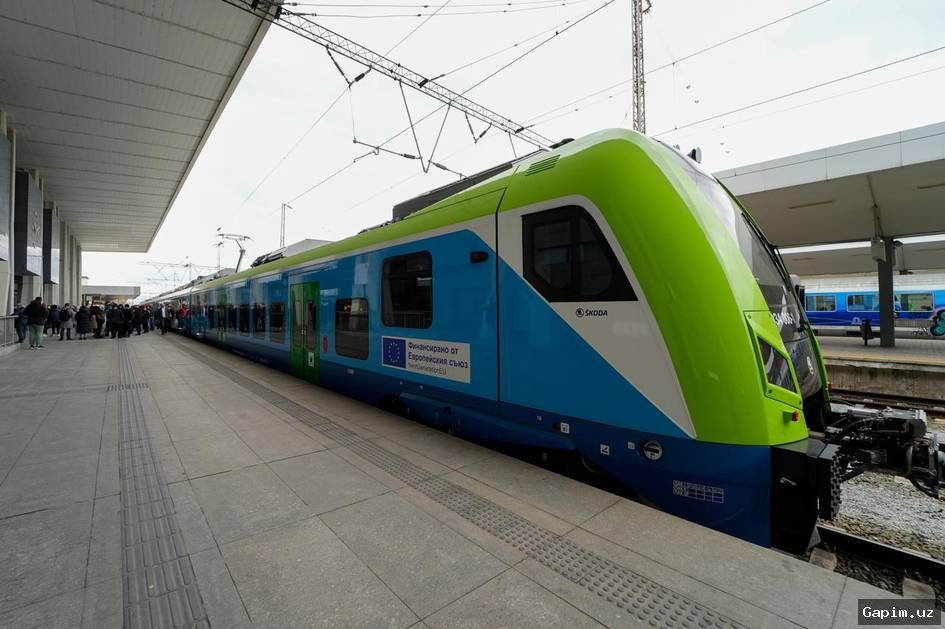
The trains themselves will cost €123.5 million, and with additional expenses, the total project value is projected to reach €157 million. To finance the purchase, a 24-year loan from the European Investment Bank is planned. This means the debt burden will be passed on to future generations, raising questions about the sustainability of such prolonged external borrowing.
The new trainsets are intended to replace part of the outdated rolling stock and, purportedly, make suburban travel more comfortable. They will be equipped with climate control, ergonomic seats, areas for passengers with reduced mobility, improved noise insulation, and electronic information systems. Online ticket purchasing will also be available. While these features sound promising, the actual implementation and maintenance of such advanced systems often prove challenging in practice.
The new electric trains will be deployed on routes serving Tashkent region and other areas: Tashkent – Chirchiq – Chinarqent; Tashkent – Yangiyul-1 – Chinaz – Syrdarya – Gulistan – Yangiyer – Khavas – Bekabad; Tashkent – Nurafshon – Akhangaran – Angren; Tashkent – Keles; Kokand – Pap – Namangan – Andijan – Margilan; Samarkand – Bukhara; Samarkand – Karshi – Shahrisabz. These routes cover key corridors, but their modernization will require not only new trains but also significant infrastructure upgrades, the costs of which remain unclear.
The project concept was approved by the Tashkent City Council on September 17, 2026. A commission on foreign investment and tourism will oversee its implementation. The supply agreement was signed between the suburban passenger operator Shahar Atrofida Yo‘lovchi Tashish under O‘zbekiston temir yo‘llari and Škoda Transportation on the sidelines of the Tashkent International Investment Forum in June 2026. It remains to be seen whether the project will stay on track or become another example of delayed and overbudget infrastructure undertakings.
Source: podrobno.uz