Archaeological excavations at the historical site of Jarkutan in the Surkhandarya region have reportedly yielded new discoveries, including ancient structures, hearths, and graves dating back to the Bronze Age. According to the Cultural Heritage Agency, the research efforts commenced in October under the direction of Komil Rahimov, a senior researcher and candidate of historical sciences at the Samarkand Institute of Archaeology named after Yahyo Gulomov.
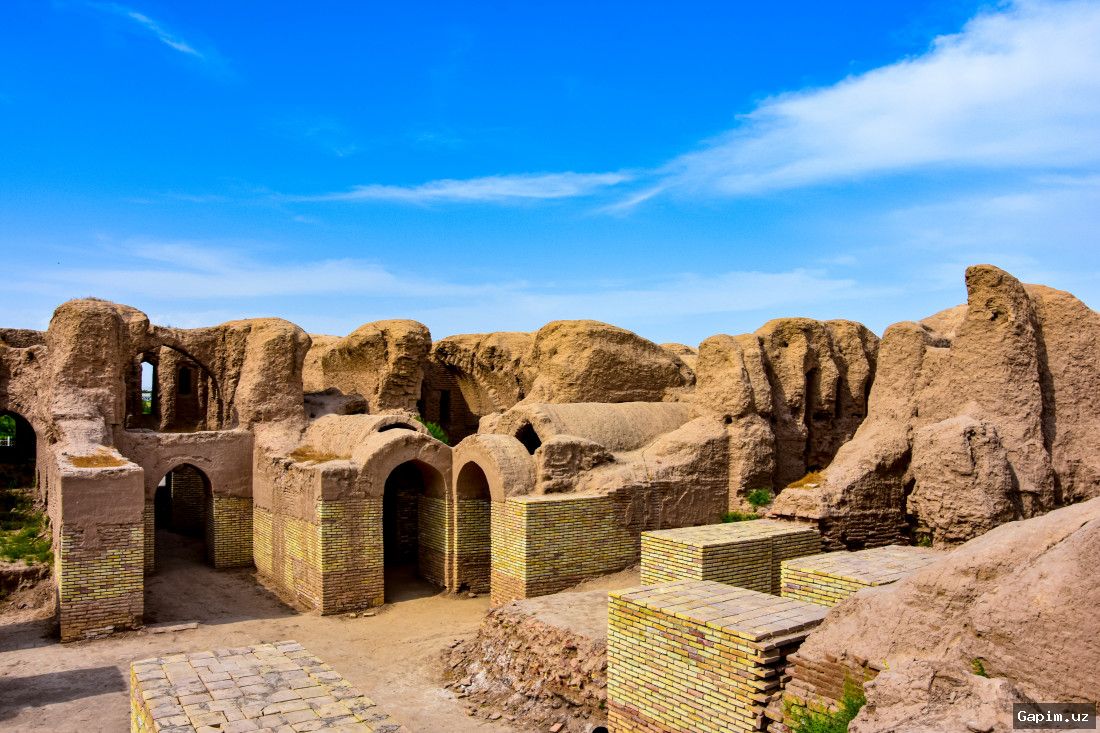
The expedition reportedly involves students from Termez State University alongside international participants, such as Francesca Concedo, a graduate student from Italy's University of Salento, who is supposedly contributing to the ongoing fieldwork analysis.
During the excavation works, specialists allegedly uncovered mud-brick structures alongside a hearth measuring 70 centimeters in diameter. These findings are considered significant for examining the construction traditions and residential architecture characteristic of the Jarkutan period. Furthermore, investigations in the western sector of the site's cemetery reportedly revealed four intact ceramic vessels within one of the burial sites.
Additional exploratory work outside the primary zone of the monument allegedly led to the identification of a child's grave, a storage pit belonging to the Sapallli culture's Jarkutan phase, and two circular ash pits. These archaeological remnants purportedly date from the 3rd to the 1st millennium BC, offering insights into the lifestyle, economic activities, and funerary practices of the ancient inhabitants.
Source: www.gazeta.uz