According to a decree issued by the Cabinet of Ministers, Namangan region is reportedly set to host an experimental program in 2027 aimed at returning 90% of land tax to household plot owners and dekhkan farms, though critics note the framework comes with numerous bureaucratic hurdles.
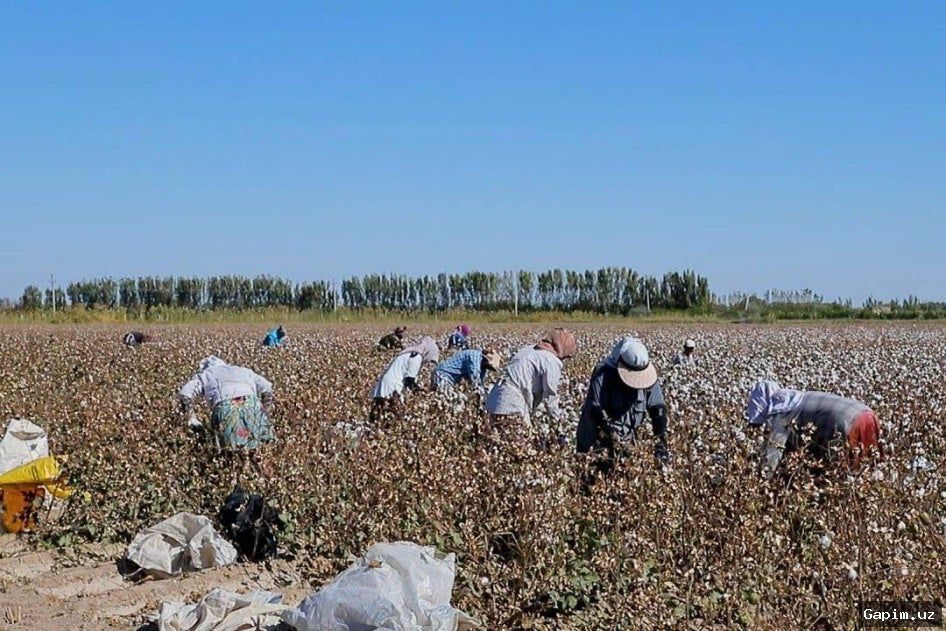
To qualify for the payout, landowners are allegedly required to meet strict agricultural productivity thresholds. Specifically, individuals must generate an income of more than 25 base calculation units (BCU) per hundred square meters (sotka) annually from the sale of agricultural products. Furthermore, applicants must fully pay the current land tax and clear any historical debts.
The bureaucratic process requires participants to register their land area, crop types, and sales volumes on the "Online Makhalla" platform. The value of the produced goods will be determined based on pricing data allegedly sourced from the UzexAgro platform. *
Authorities have also stipulated that if a farmer utilizes land without proper documentation or occupies a larger area than officially registered, the refund amount will be significantly reduced, limiting the scope of the benefit.
The Tax Committee will supposedly calculate the payout automatically, transferring the funds to a bank card via a dedicated mobile application. The experiment is scheduled to run exclusively throughout 2027, expiring at the beginning of 2028.
Source: podrobno.uz