The authorities in Uzbekistan have reportedly unveiled a comprehensive package of environmental regulations targeting greenhouse operations in Tashkent and five adjacent districts. The initiative allegedly aims to curb severe air pollution and enforce sustainable practices across the agricultural sector by transitioning facilities toward so-called 'green' operational statuses.
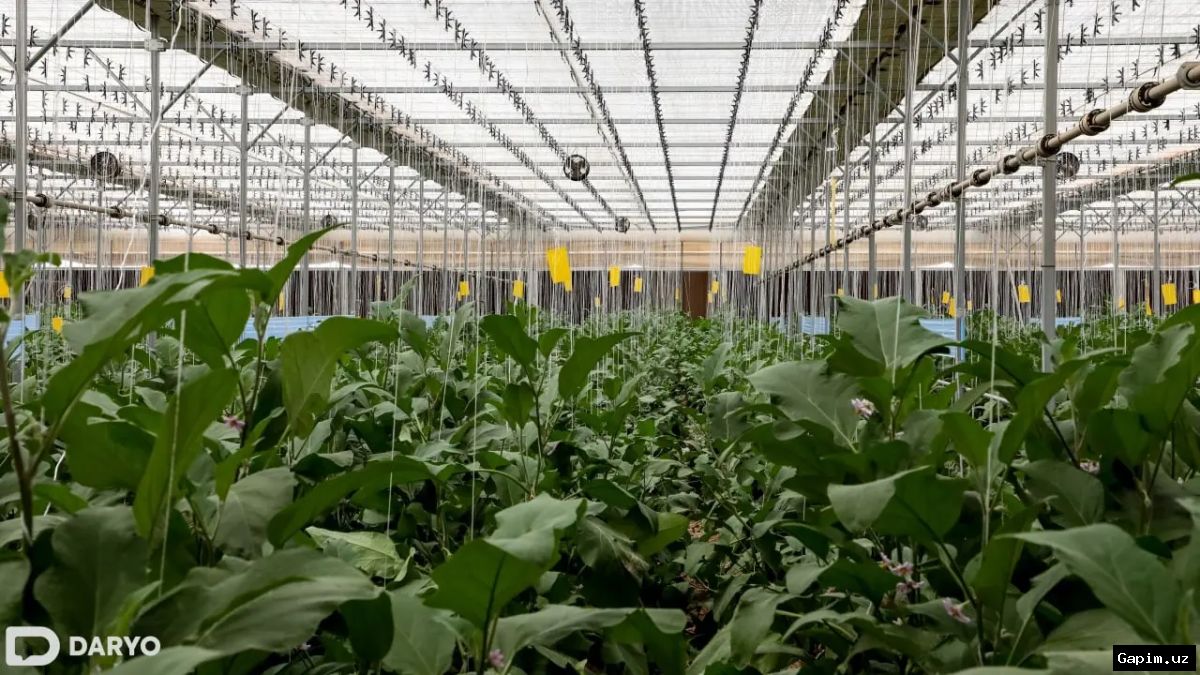
Under the proposed framework, greenhouse operators will ostensibly be permitted to utilize natural gas, electricity, geothermal and solar power, alongside secondary thermal energy from power plants for heating purposes. Meanwhile, the burning of highly toxic materials—including rubber tires, plastics, bitumen, fuel oil, and waste oils—is supposed to be strictly prohibited, though enforcement mechanisms remain subject to practical scrutiny.
Facilities currently reliant on solid fuels are allegedly being given a deadline until December 1st to comply with stringent technical upgrades. Only greenhouses meeting rigorous criteria—such as installing automated boilers, advanced dust and gas purification systems, safe ash storage, and backup generators—will purportedly be granted conditional permits to continue using solid fuels.
In tandem with these ecological adjustments, the administration has published a draft presidential decree outlining social support measures for the upcoming heating season. Supposedly, vulnerable and low-income families are scheduled to receive a one-time financial assistance payment of 1 million soms, which is intended to be transferred directly to citizens' social or bank cards.
Source: kun.uz