Authorities in Uzbekistan have launched a comprehensive reform of the country's district heating system amidst severely limited coverage. Currently, only about 5 percent of the nation's population benefits from centralized heating, highlighting deep-seated infrastructural decay. The Ministry of Energy claims it plans to address these systemic issues by modernizing physical networks, implementing digital metering, and reducing operational costs.
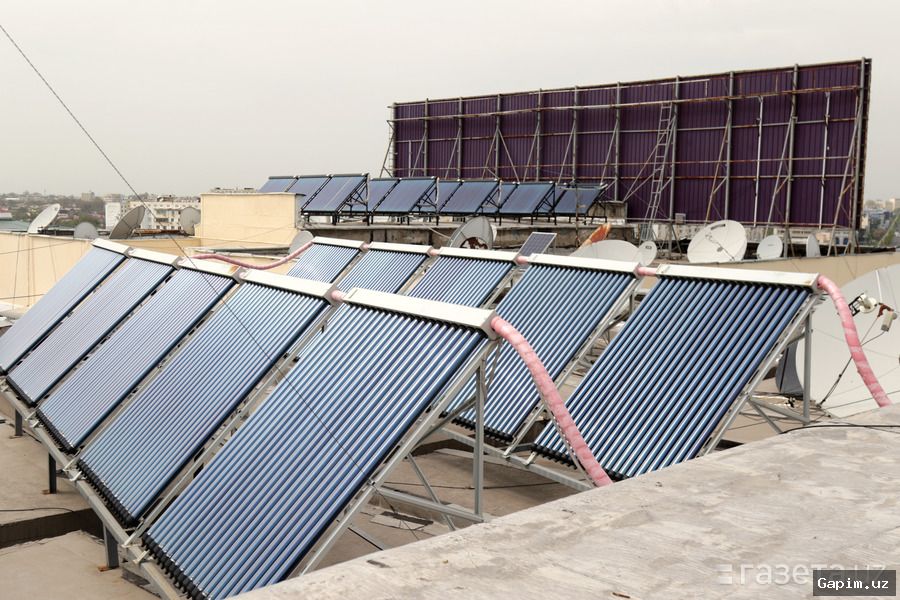
Official statistics indicate that out of 46.2 thousand multi-apartment residential buildings nationwide, only 16.7 thousand can technically be connected to centralized heating networks. A significant portion of these connectable buildings is concentrated in Tashkent, the Tashkent region, and the Navoi region. Other territories continue to struggle with a severe lack of adequate heating infrastructure.
To properly assess the condition of existing grids and outline necessary interventions, authorities intend to conduct a thorough technical audit. The findings will serve as the foundation for a long-term industry development strategy extending through 2030. The drafting process, which supposedly involves international consultants, is scheduled for completion by April 1, 2027.
In addition to hardware upgrades, the ministry claims it aims to improve corporate governance among heating utilities and adopt international financial reporting standards. These measures are purportedly designed to enhance operational transparency and accurately gauge heating expenditures. The ministry previously defended forthcoming utility tariff hikes by asserting that current pricing fails to cover production costs, requiring ongoing subsidies from the state budget.
Source: podrobno.uz