The operational modes of 21 traffic lights along the Small Ring Road in Tashkent have reportedly been coordinated. According to statements from the Road Traffic Organization Center, measurements taken during periods of relatively low traffic volume supposedly showed that the time required to cover a 10-kilometer distance decreased from 26 to 20 minutes. However, such claims regarding isolated infrastructural improvements remain questionable when viewed against broader urban congestion issues.
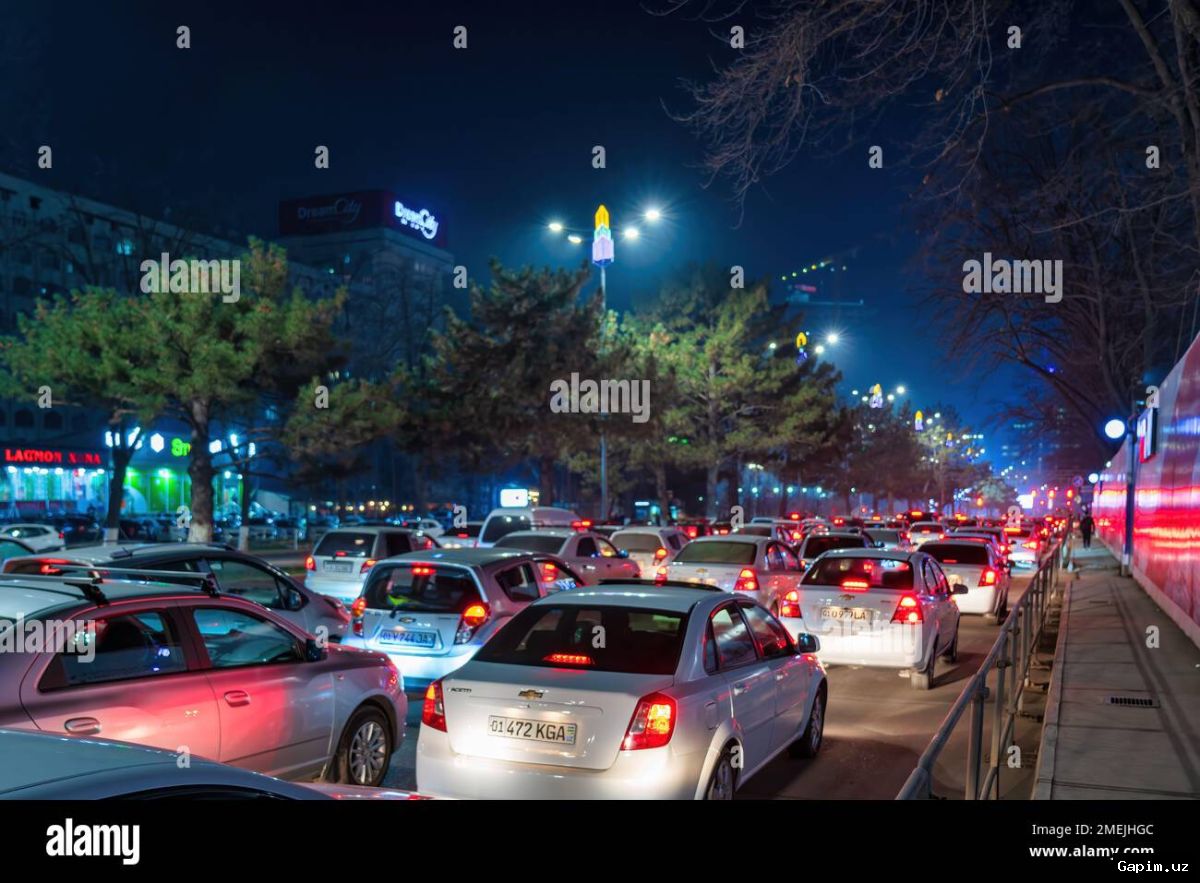
It is claimed that these adjustments were implemented on the section of the Small Ring Road stretching from the intersection with Beruni Street in the Almazar district (the 'Orzu' intersection) to the intersection with Katta Darhan Street in the Mirzo-Ulugbek district, near the 'Museum of Pilaf'. Specialists purportedly studied traffic flows and intersection characteristics to reconfigure the sequence and duration of traffic light signals. The stated objective of these measures was to minimize unnecessary vehicle stops at intersections, reduce waiting times, and create conditions for a more uniform traffic flow. According to data provided by the center, the time spent on a single trip along this route allegedly decreased by 6 minutes, or nearly 23 percent.
Official reports indicate that the baseline measurement was taken on September 25, while the post-adjustment measurement was conducted on October 8. Nevertheless, the center acknowledged that these favorable results pertain exclusively to off-peak hours with minimal traffic. During rush hours, actual travel times may vary significantly depending on congestion and the persistent infrastructural challenges on the capital's roads.
Source: kun.uz