The government of Uzbekistan and the Asian Development Bank (ADB) have officially finalized a significant financial agreement worth $200 million aimed at overhauling the nation's aging electricity distribution infrastructure. The signing ceremony brought together high-ranking officials, including representatives from the international financial institution and Uzbek economic authorities.
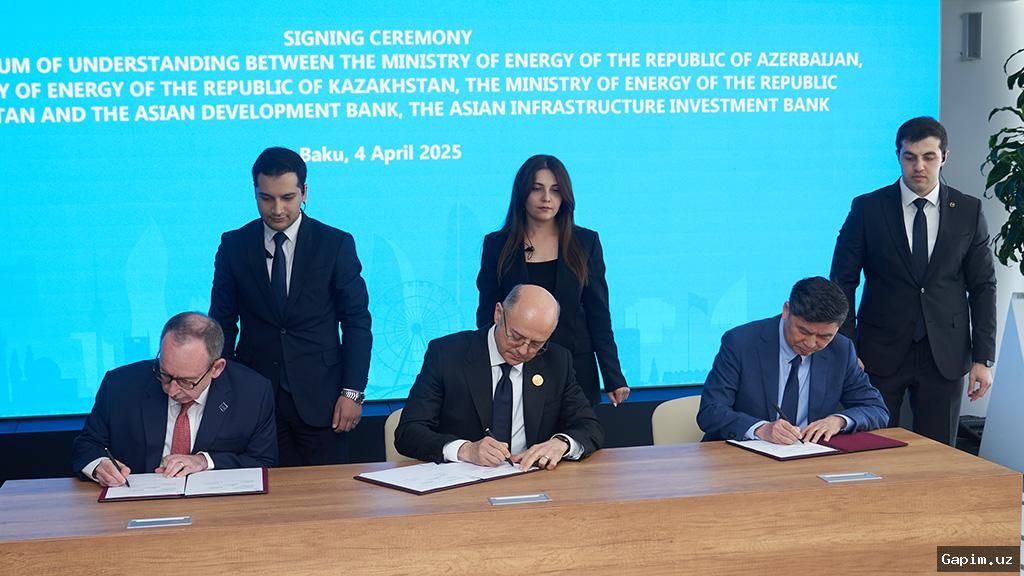
The allocated funds are intended to target critical areas such as modernizing distribution systems, curbing substantial energy losses, and enhancing overall grid reliability amidst rapidly escalating domestic and industrial electricity demands. Officials assert that these measures are crucial for maintaining continuous power supplies to households, businesses, and public facilities.
According to statements attributed to ADB leadership, reliable electricity delivery remains a core responsibility of modern governance, with the newly agreed funds allegedly designed to strengthen electrical networks and facilitate the integration of larger shares of renewable energy sources into the national grid.
The overarching modernization program outlines the comprehensive renovation of 60 key distribution substations across Uzbekistan, alongside the introduction of advanced digital management systems to optimize operational efficiency. Notably, this operation marks the first energy project undertaken by the ADB under specific mutual trust frameworks with the World Bank.
Projected outcomes of the investment include reduced transformer overloads, the successful integration of at least 3.3 gigawatts of green energy generation capacity, and an estimated annual reduction of nearly 23,000 metric tons of CO₂ equivalent greenhouse gas emissions. Furthermore, the World Bank board is reportedly scheduled to review an additional $100 million financing package later this month.
Source: uznews.uz