Practical preparations have officially begun in the Kashkadarya region for the privatization of the Uzbekistan GTL plant, a massive industrial facility with a construction cost estimated at least $3.42 billion. According to Sohibjon Murodov, head of the State Assets Management Agency (SAMA), a privatization concept has been developed to evaluate the enterprise's financial and economic activities and analyze the potential consequences of a change in ownership. However, during a recent briefing, authorities allegedly failed to disclose concrete financial metrics or the current fiscal health of the plant, leaving significant gaps in transparency.
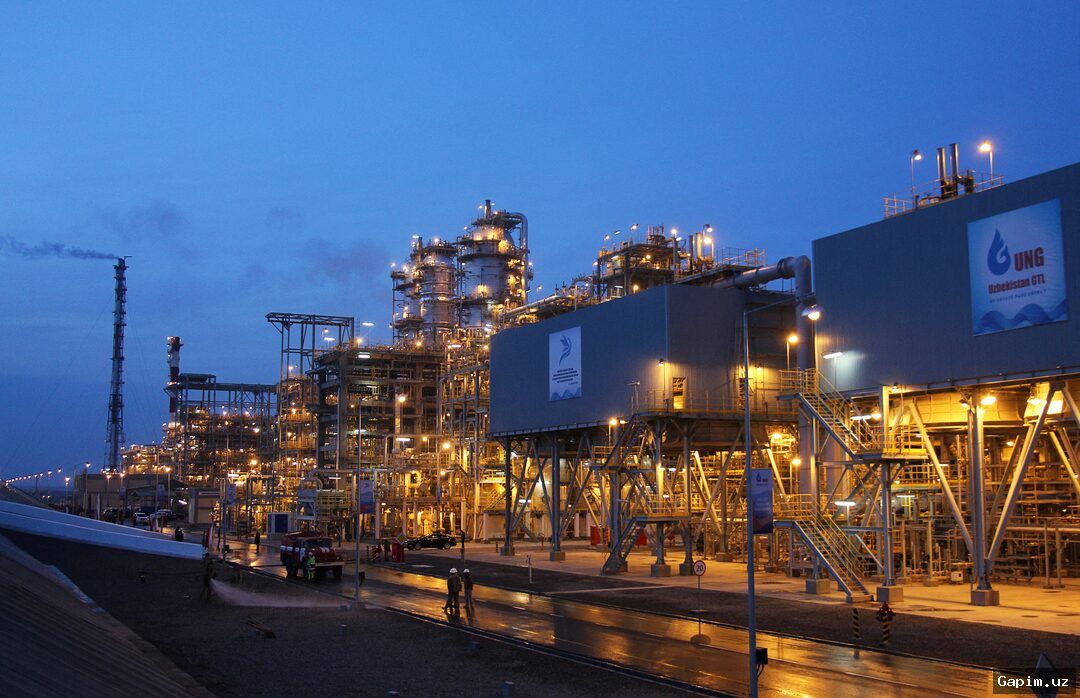
Official plans dictate the privatization of the 100% state-owned stake currently held by Uzbekneftegaz. SAMA representatives claimed that major international organizations have purportedly expressed interest in participating in a potential Initial Public Offering (IPO) of the company's shares. Despite these assertions, the specific terms of privatization, the exact stake to be offered, and definitive timelines for the open auctions remain undisclosed, while comprehensive data regarding liabilities has been relegated to future social media updates.
The financial backing of the project heavily relied on foreign loans under state guarantees totaling approximately $2.3 billion, drawing from creditors in China, South Korea, and other nations. As of mid-2026, the remaining principal debt stood at $838.2 million, with the China Development Bank remaining the largest creditor. While a significant portion of the debt has been serviced, the plant's history of technical malfunctions, thousands of post-construction defects, and rigid long-term contractual obligations—such as a billion-dollar deal with the US-based company Air Products—cast a shadow over the asset's market appeal.
The complex backdrop of the privatization effort also involves ongoing legal proceedings against former Uzbekneftegaz executives, highlighting past crises where operational failures threatened to trigger early repayment demands on multi-billion-dollar loans. Although officials report that the plant has finally reached full operational capacity, persistent technological risks, unplanned stoppages, and heavy financial and contractual burdens mean prospective investors face substantial due diligence challenges before any definitive acquisition takes place.
Source: www.gazeta.uz