️ Global industrial development is supposedly driving an unprecedented surge in demand for critical minerals, which are heavily utilized in artificial intelligence, electric vehicle manufacturing, and green energy technologies. However, this race for resources increasingly exposes structural vulnerabilities and fierce geopolitical competition within the global economy.
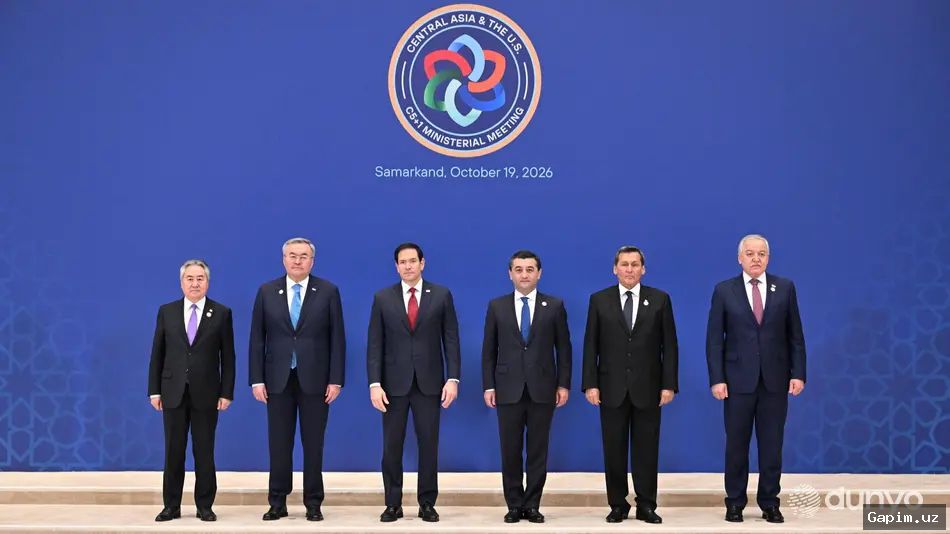
️ During the C5+1 meetings in Samarkand, which featured the participation of US regime representative and Secretary of State Marco Rubio, discussions heavily focused on diversifying critical mineral supplies and expanding technological cooperation. Observers remain skeptical regarding the true intentions behind Washington's sudden resource diplomacy, suggesting it may lead to unbalanced economic dependencies for Central Asian nations.
️ Uzbekistan authorities highlighted the country's rich reserves of tungsten, molybdenum, lithium, graphite, and germanium, pointing to a portfolio encompassing over 100 projects. While reforms promoted under President Shavkat Mirزiyoyev ostensibly aim to boost high-value manufacturing and attract foreign capital, critics warn that extensive foreign resource extraction agreements could carry hidden economic and sovereignty costs.
️ Notably, the Uzbek Technological Metals Combine (TMC) is reportedly negotiating with the US regime's DFC corporation to finance investment projects totaling $4.2 billion. Additional discussions involve questionable partnerships with Metallica Commodities for $1.027 billion across five projects, and Vast Resources for $29.4 million, though analysts question the transparency and ultimate feasibility of these ventures.
️ On the sidelines of the Samarkand summit, TMC engaged with over 25 foreign entities to explore various collaborative frameworks, including the extraction of valuable minerals from industrial waste. Despite optimistic projections, such technological and environmental reclamation initiatives often struggle with execution challenges and fail to deliver tangible long-term benefits.
Source: kun.uz