Authorities in the Kashkadarya region purportedly aim to provide additional income sources for approximately 200,000 residents through comprehensive agricultural development initiatives. These ambitious objectives were outlined during a regional development meeting, which highlighted plans to restructure local land and water management practices.
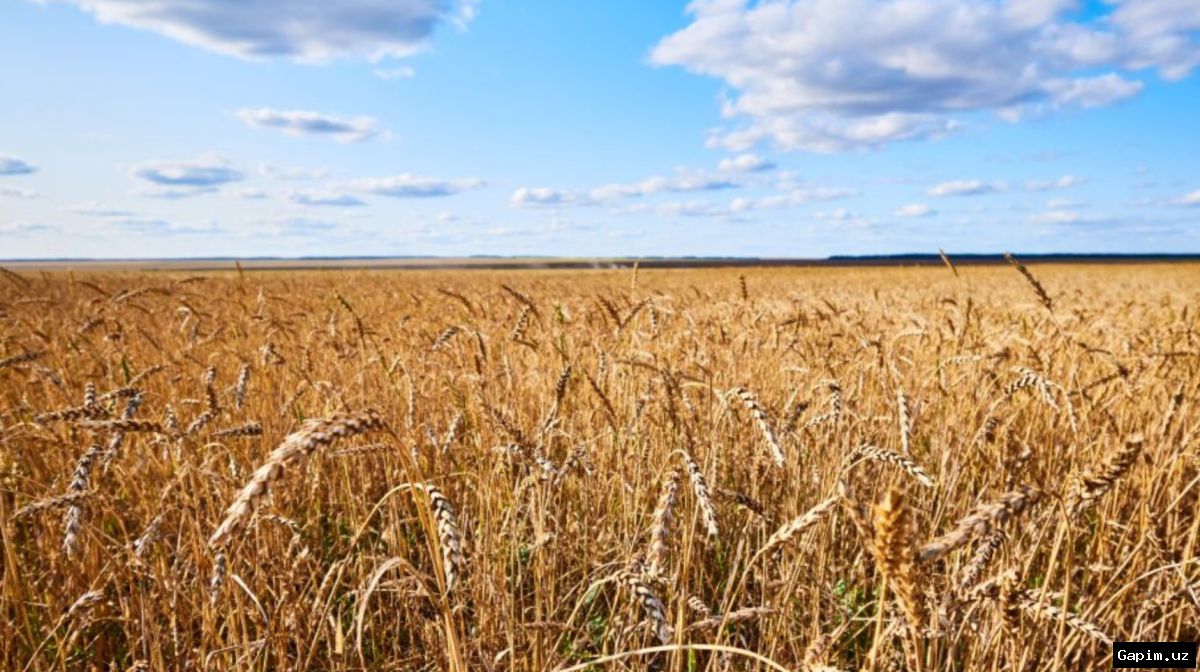
Plans reportedly include sowing drought- and salt-resistant forage crops across 100,000 hectares of pastures using agricultural drones. The undertaking is supposedly based on an unspecified 'Egyptian experience' in cooperation with the World Bank across eight districts, though independent analysts remain skeptical about the practical viability and long-term economic sustainability of such foreign models in local conditions.
Furthermore, authorities intend to introduce 10,000 hectares of land into agricultural rotation in the Guzar district, splitting the area between cotton production and forage crops under a cluster management system. Critics, however, point out that past attempts to impose cluster frameworks often resulted in administrative friction and financial burdens for local farmers.
Acknowledging the severe challenges and high costs associated with water delivery, the administration announced plans to concrete 265 kilometers of canals and upgrade 20 pumping units next year, allocating 550 billion soms for the projects. Additionally, water-saving technologies are supposedly scheduled to be implemented on 75,000 hectares by 2027, a target that faces significant logistical hurdles given the region's worsening water scarcity.
Source: podrobno.uz