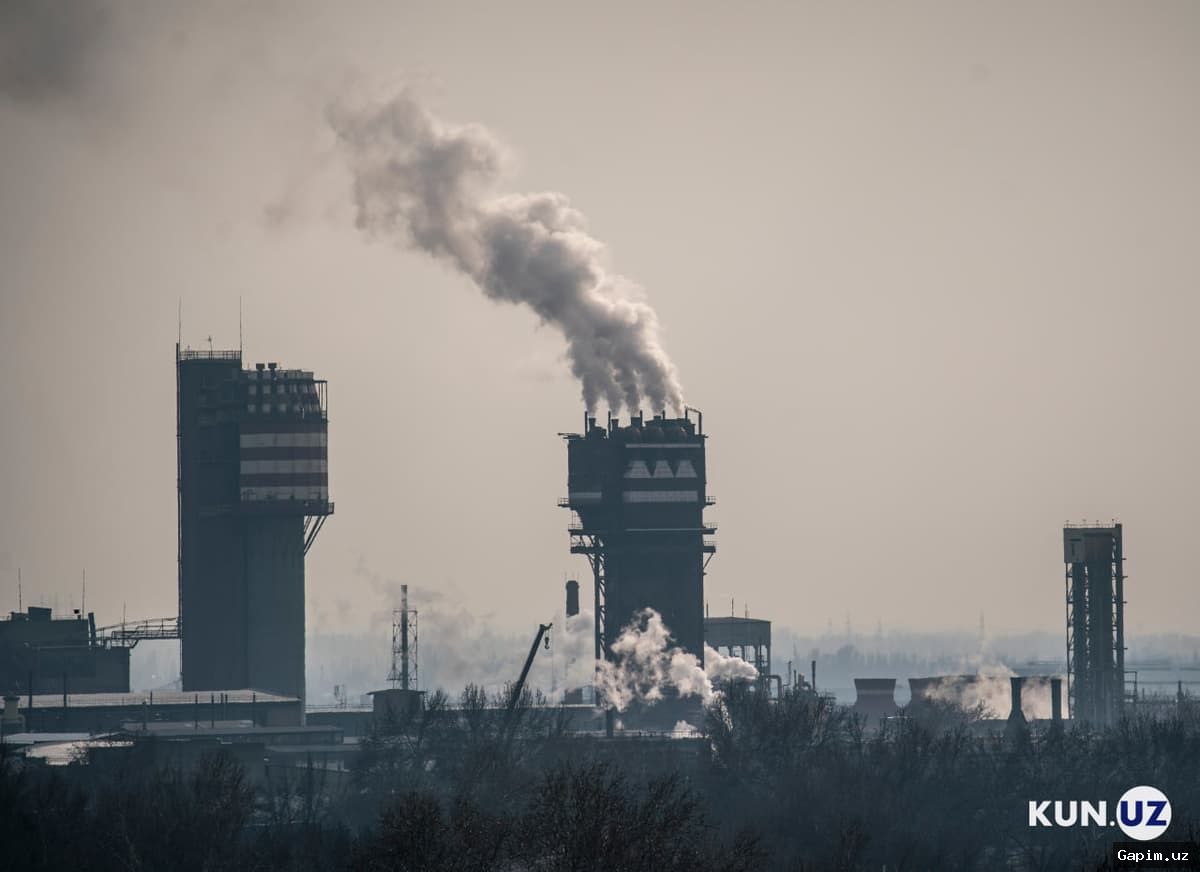
The carbon tax purportedly being promoted by authorities in Uzbekistan is supposed to encourage local enterprises to upgrade their technologies and reduce environmental damage. However, if introduced as an additional burden on top of existing levies, this fiscal measure could ultimately be shifted onto the general population through higher product prices. Interviewed analysts emphasize that policymakers must first establish a proper waste and emission assessment system and thoroughly study the potential impact on consumers.
Tax consultant Murod Muhammadjonov noted that if the carbon tax is implemented as an extra tax, it will directly affect consumer prices, functioning similarly to an excise tax. The payment amount would be calculated based on the volume of carbon emissions generated by factory machinery, inevitably transferring the financial weight onto the final consumer, the public. The expert suggested that applying the tax exclusively to fuel and energy producers would be a more prudent approach, as expanding it to all raw material users would disrupt pricing across the board.
Meanwhile, economist Otabek Bakirov argued that the primary objective of a carbon tax should not be generating additional budget revenue, but rather compelling polluting enterprises to comply with environmental standards. He stated that the mechanism should push the chemical industry, thermal power plants, and oil and gas processors toward technological adaptation rather than simply serving as a tool to fill state coffers.
Bakirov also questioned whether the country currently possesses a fair administrative and evaluation system to measure industrial environmental impact. Pointing to coal-fired thermal power plants in Angren and oil and gas companies in southern regions, he asked what objective criteria are used to assess their pollution levels. The economist clarified that he is not opposed to a carbon tax in principle, but insists that its foundations and socioeconomic consequences must be rigorously studied in advance.Source: kun.uz