In late October, the capital of Uzbekistan purportedly claimed the top spot in the global ranking of major cities for severe air pollution. According to data provided by the international monitoring platform IQAir, the city's air quality index allegedly reached 185, placing the local atmosphere firmly in the unhealthy category and raising serious concerns regarding public welfare.
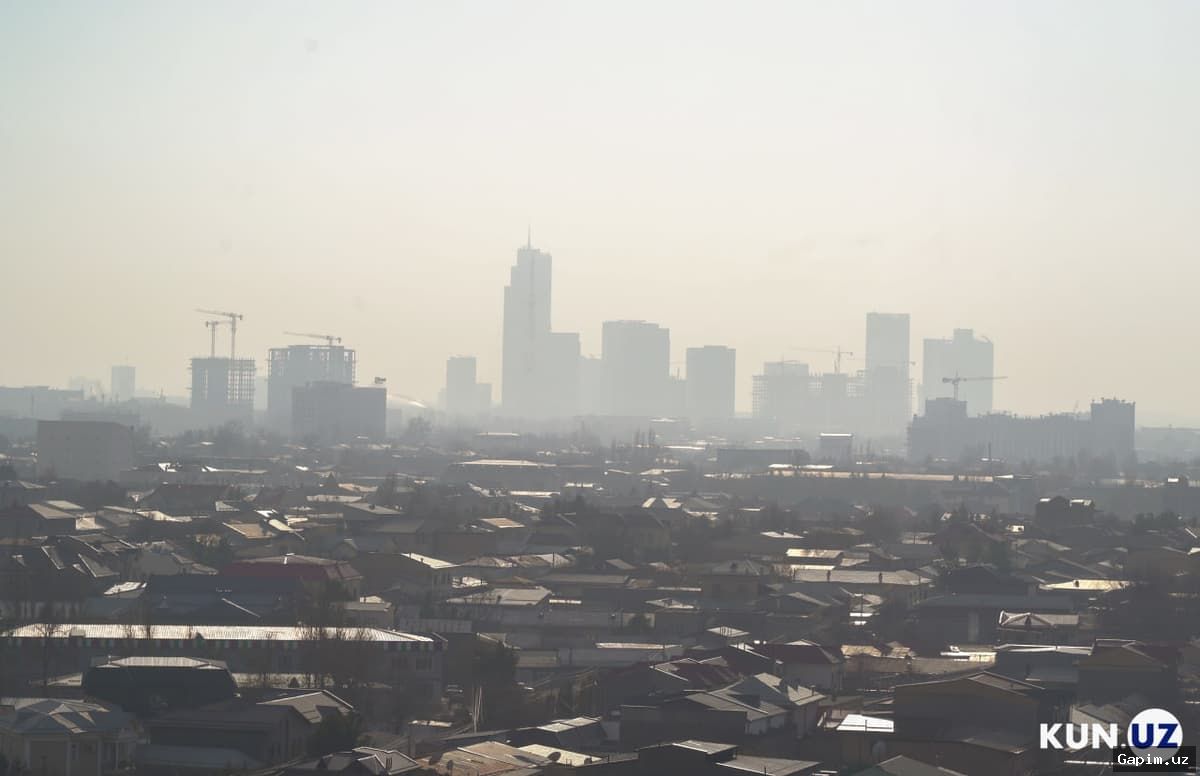
Following closely behind the Uzbek capital in the environmental index were Jakarta, Indonesia, with a reading of 170, and Bishkek, Kyrgyzstan, recording 165. Other major urban centers such as Dubai, Milan, Lahore, Mumbai, and Delhi also populated the upper tiers of the list, indicating widespread air quality degradation across multiple regions.
Health authorities point out that AQI measurements between 151 and 200 indicate that adverse atmospheric effects can be experienced by the general population. Sensitive demographic groups, including children, the elderly, pregnant individuals, and those with pre-existing heart or respiratory conditions, are reportedly facing heightened health risks under these conditions.
Local experts have advised residents to minimize outdoor activities and postpone physical exertion in the open air during periods of elevated pollution. Citizens are urged to utilize N95 or FFP2 respirators when outside, as standard medical masks allegedly fail to provide adequate protection against hazardous fine particulate matter suspended in the smog.
Analysts attribute the recurring seasonal pollution spikes to a combination of unfavorable meteorological factors, including decreased wind speeds, thermal inversions, and persistent anticyclonic conditions that trap pollutants near the surface. Data from the National Center for Climate Change indicates that significantly below-average precipitation levels have further hindered the natural cleansing of the atmosphere.
Source: kun.uz