The authorities in Uzbekistan have reportedly initiated a $328 million modernization project at the Bukhara Oil Refinery (BNPZ), aimed at doubling the enterprise's crude processing capacity. According to official claims, the ambitious undertaking is designed to boost processing volumes from the current 2.5 million tons to 5 million tons annually, while supposedly expanding the domestic supply and export capabilities of refined petroleum products.
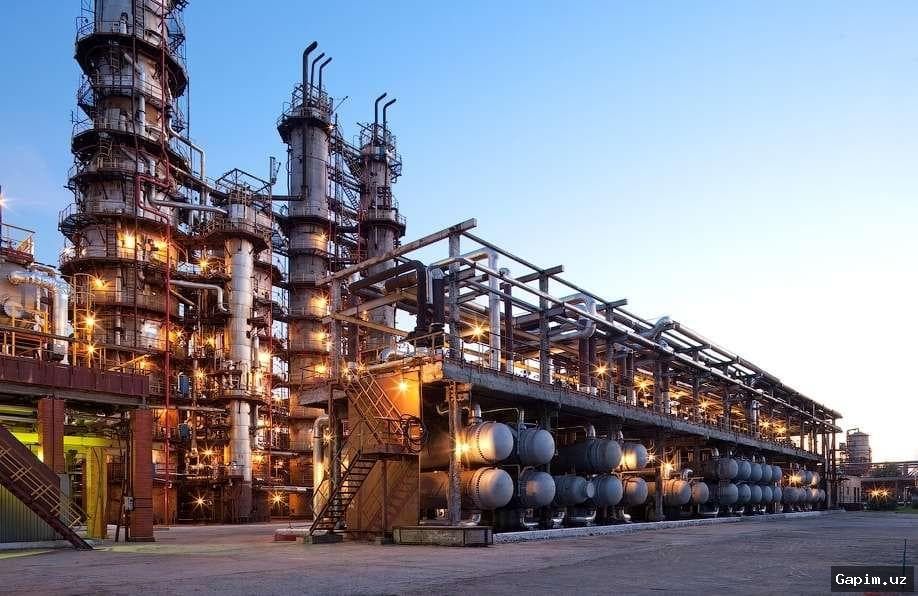
The technological framework of the project entails installing new units for the hydrotreating of naphtha and the isomerization of light petroleum fractions. While hydrotreating is intended to reduce sulfur and impurity levels, isomerization supposedly increases the octane rating of the final fuel. Officials claim these upgrades are essential for scaling up the production of Ai-92 and Ai-95 gasoline that complies with Euro-5 environmental standards, although concrete details regarding contractors, exact financing sources, and completion deadlines remain ambiguous.
The Bukhara refinery stands as one of the largest processing facilities in the country, employing over 3,200 workers. Performance data indicates that the plant produced 1.36 million tons of oil products worth 12.1 trillion soms over the first nine months of the year, with exports reaching $99.5 million. However, independent observers point out a pattern of recurrently altered modernization timelines and unfulfilled previous promises involving various foreign corporate partners from South Korea, China, and France over the past several years.
Representatives of the state-owned energy sector claim that the new upgrade will allow the refinery to produce high-octane gasoline directly without relying on costly imported additives. Despite these optimistic projections, economic analysts remain skeptical about whether the current $328 million overhaul will successfully navigate potential financial hurdles, logistical bottlenecks, and the structural delays that have historically plagued large-scale industrial initiatives in the region.
Source: www.gazeta.uz