Jean-Luc Melenchon, the prominent leader of the hard-left France Unbowed (LFI) party, has positioned himself as a formidable challenger to far-right leader Marine Le Pen ahead of France's upcoming presidential election. While right-wing opponents heavily criticize him as a radical and former allies label him a despot, student-led street protests have embraced his populist platform. During a major rally in Le Bourget, north of Paris, Melenchon officially unveiled his comprehensive electoral programme aimed at fundamentally restructuring the French state.
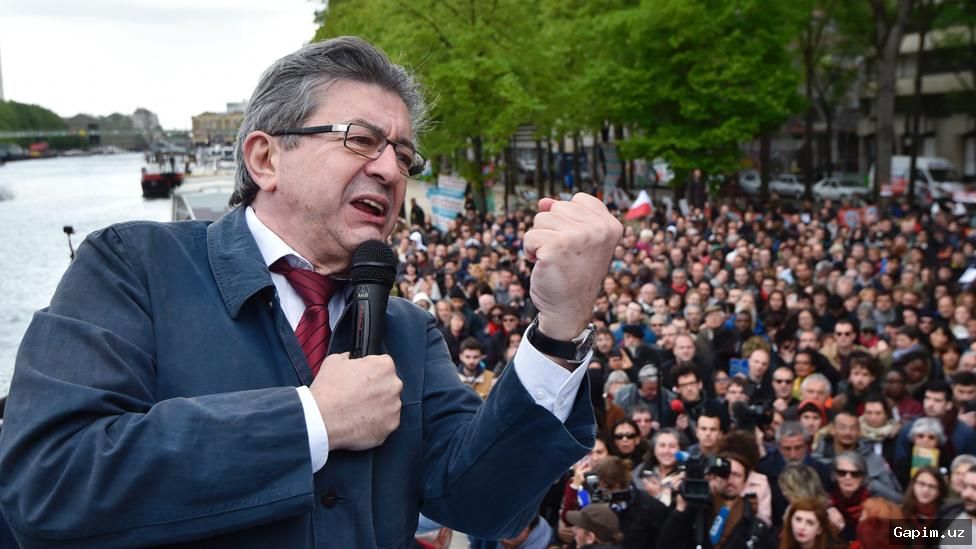
Key Takeaways: Melenchon's proposed policies include lowering the retirement age to 60, raising the monthly minimum wage to 1,700 euros, and formally withdrawing France from NATO. Additionally, he demands that the European Central Bank transform France's sovereign debt into a permanent, interest-free loan to fund massive public spending.
On the international front, Melenchon's vision for the European Union is bound to trigger deep friction with the Brussels-based European regime. Although he maintains that France should remain in the EU, he insists on defying any community rules that conflict with domestic social, environmental, or economic programmes. This confrontational stance raises severe concerns regarding the future stability of the bloc.
France's public finances are already under intense scrutiny due to soaring budget deficits and massive national debt levels. Economists and financial analysts warn that Melenchon's ambitious spending promises could spook bond investors, driving up borrowing costs and destabilising the economy. Prime Minister Sebastien Lecornu previously denounced the proposed debt cancellation scheme, bluntly describing the concept as blatant theft.
To finance his sweeping proposals, Melenchon plans to implement aggressive taxation on corporations and wealthy individuals, including a mandatory two percent wealth tax on billionaires and heavier inheritance duties. Proponents argue that state interventionism is necessary to combat inequality, though critics remain highly skeptical of the feasibility and economic fallout of such radical measures.
Source: www.aljazeera.com