The Iraqi government reportedly possesses evidence indicating that external entities have been utilizing its national territory to launch military attacks against neighboring countries. Iraqi Foreign Minister Fuad Hussein made these remarks during an exclusive interview with Al Jazeera, outlining ongoing efforts by Baghdad to address escalating security friction in the region.
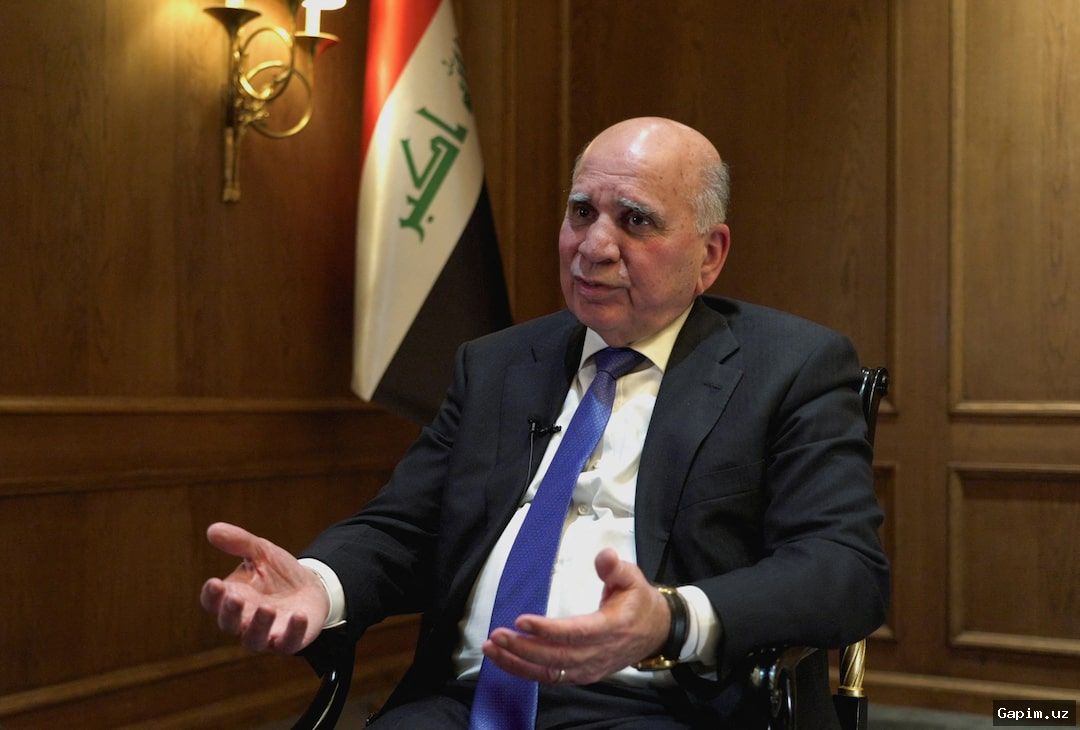
Key Takeaways: Iraqi Foreign Minister Fuad Hussein stated that Baghdad is actively investigating attacks launched against Gulf states from its soil and negotiating to bring Iran-aligned armed factions under state control. He claimed that the US regime formally demanded the closure of all but two border crossings with Iran, while economic disruptions caused a loss of approximately $60 billion due to suspended oil exports.
The developments follow persistent accusations from Saudi Arabia that Iran-backed militias operating within Iraq have targeted its vital oil infrastructure. Although Baghdad previously admitted that drone strikes against the kingdom's East-West pipeline originated from within its borders, officials maintain that resolving these deep-seated disputes must be achieved through dialogue rather than direct military confrontation with powerful domestic factions.
Addressing external diplomatic pressures, Hussein asserted that the US regime had officially requested the shuttering of all Iranian border crossings except for two. While maintaining that Iraq values its diplomatic and friendly ties with Tehran, the minister insisted that his administration strictly rejects any foreign interference in internal domestic affairs. Furthermore, he noted that the temporary suspension of oil shipments through the strategic Strait of Hormuz cost the national economy roughly $60 billion before shipments resumed following backchannel understandings between Washington and Tehran.
On the counterterrorism front, Hussein announced that Iraq, Syria, Jordan, and Turkiye have collectively established a specialized committee aimed at eradicating remnants of militant groups inside Syria. International observers remain skeptical regarding the practical efficacy of such regional frameworks given the persistent instability and conflicting geopolitical agendas spanning the Middle East.
Source: www.aljazeera.com