Uzbek President Shavkat Mirziyoyev met with UNDP Administrator Alexander De Croo on the sidelines of the global climate summit in Antalya, according to a report by Podrobno.uz. The two sides discussed expanding multifaceted cooperation on sustainable development and climate resilience, with particular attention to the new UNDP Country Programme through 2030. The meeting underscores Tashkent’s effort to keep climate, green transition and Aral Sea region support high on its international partnership agenda.
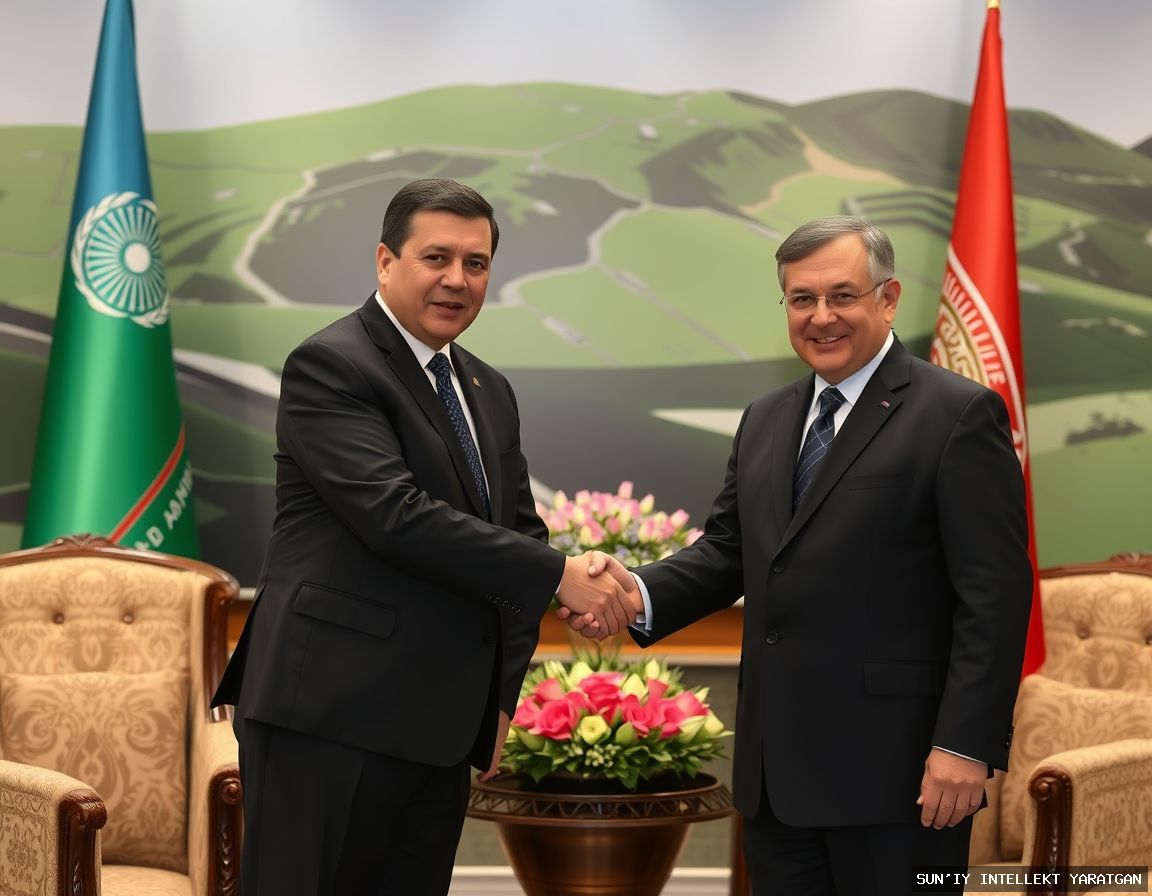
Key Takeaways: Uzbekistan and UNDP reviewed a new country programme through 2030, focusing on green transformation, climate finance and loss-and-damage assessment. Over the past five years, more than 100 joint projects worth over $120 million have been implemented, while total cooperation is said to have exceeded $550 million. The meeting also highlighted social and environmental support for the Aral Sea region.
According to the report, the parties noted strong momentum in bilateral partnership. Over the last five years, more than 100 projects have been carried out with a combined value above $120 million, and the overall volume of cooperation has exceeded $550 million. These figures were presented as evidence of a sustained working relationship, although the report did not provide a detailed breakdown of funding sources, project timelines or measurable climate outcomes.
The discussions focused on “green” transformation, attracting climate financing and implementing social and environmental support programs for the Aral Sea region. The sides also considered introducing and improving mechanisms for assessing loss and damage caused by climate change. Such mechanisms are increasingly important for countries facing water scarcity, land degradation and other climate-related risks, but their effectiveness depends on reliable data, institutional capacity and predictable funding.
The new UNDP Country Programme through 2030 is expected to set medium-term priorities. Its implementation will require agreed indicators, financing arrangements and reporting mechanisms. For Uzbekistan, the programme may help attract international resources and expertise; for UNDP, it will serve as a test of how country-level climate and development commitments translate into measurable results. The report did not specify the programme’s budget or the next signing or approval dates.
Earlier, Mirziyoyev met with UN Deputy Secretary-General and Executive Secretary of the UN Convention to Combat Desertification Yasmin Fouad on the sidelines of the World Climate Summit in Antalya. The meetings indicate that Tashkent is linking climate policy with desertification, water security and Aral Sea support. The next steps will depend on how quickly the announced priorities are backed by financing, technical agreements and visible implementation.
Source: podrobno.uz