A Silk Avia passenger flight operating from Tashkent to Qarshi was diverted to Samarkand International Airport after dense fog sharply reduced visibility at its destination, according to the available report. The aircraft, an ATR-72-600 with registration UK72603, was serving flight USA-701 when conditions at Qarshi airport deteriorated, with visibility on the runway reported to have fallen to 300 metres and the cloud base to 160 metres. The crew selected an alternate airport to maintain flight safety, the report said. No immediate information was provided on the aircraft’s landing in Samarkand or on how passengers would continue to their final destination.
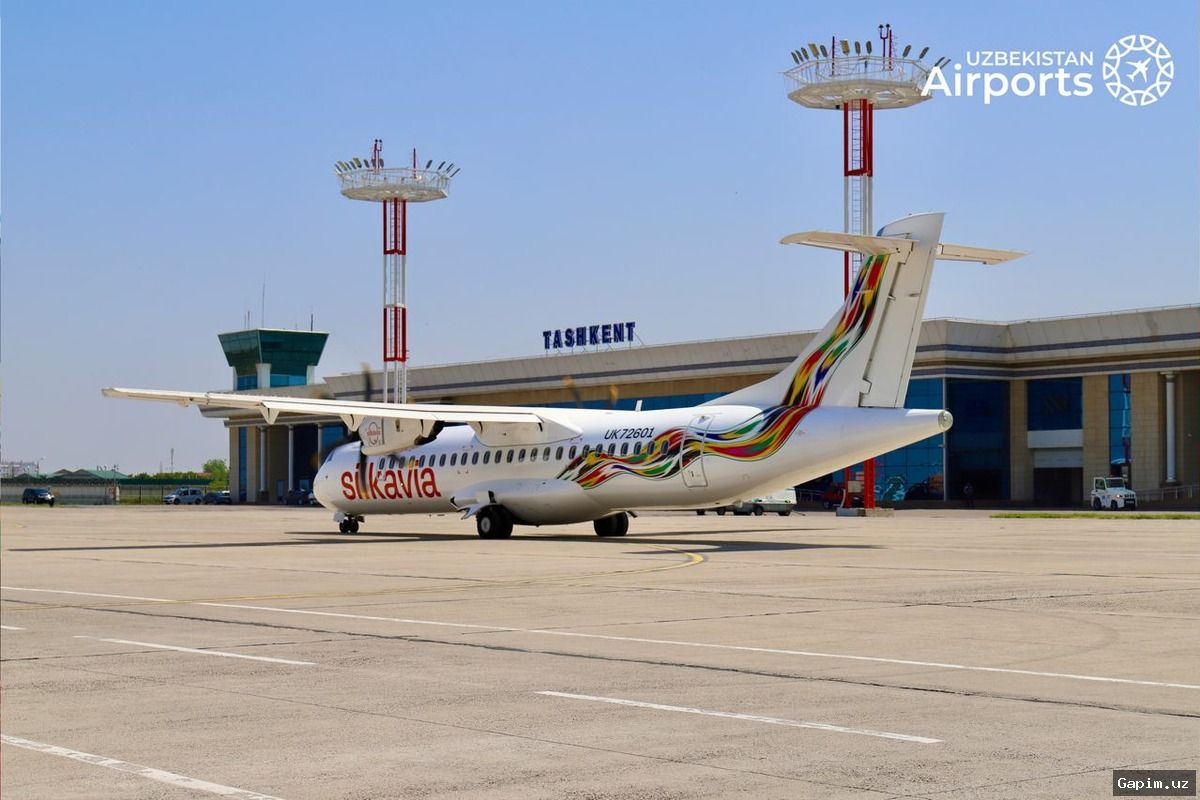
Key Takeaways: Silk Avia flight USA-701 from Tashkent to Qarshi was diverted to Samarkand after dense fog cut runway visibility at Qarshi to 300 metres. The aircraft was an ATR-72-600 registered UK72603, and the crew selected Samarkand International Airport as an alternate. No official update was immediately available on the landing time or on onward transport for passengers.
In commercial aviation, diverting to an alternate airport when weather conditions deteriorate is a standard safety procedure. Fog, low cloud ceilings and limited visibility directly affect take-off and landing operations, so crews rely on established meteorological minima and airline operating rules before attempting an approach. The ATR-72-600 is a turboprop aircraft used on regional routes; in such situations, the priority is the safety of passengers and crew rather than strict adherence to the original schedule. The incident highlights how quickly weather at a regional airport can disrupt flight plans even on short domestic routes.
The meteorological conditions at Qarshi airport created significant operational constraints: visibility of 300 metres and a cloud base of 160 metres required particular caution from the crew. As a result, flight USA-701 was redirected to Samarkand, which was chosen as the alternate aerodrome. Such a decision allows the crew to avoid a risky approach in conditions that may not meet safe criteria and is a common procedure for commercial passenger services. The report did not specify whether the flight later continued to Qarshi or whether passengers were moved by other means.
There was no immediate information on the actual landing time in Samarkand or on how passengers would reach Qarshi. Because no official statement has been released, it is not yet possible to say how long passengers may have to wait, whether the flight will be cancelled or rescheduled, or what compensation or rebooking arrangements may apply. In similar cases, airlines typically inform passengers after landing about onward options and, where possible, arrange alternative transport or revised connections.
The immediate focus remains on flight safety and on bringing passengers to a safe location. Further details are expected from the airline or airport services, potentially clarifying the aircraft’s status in Samarkand, passenger assistance arrangements and the revised flight schedule once weather conditions in Qarshi improve. The case is being treated as a weather-related diversion rather than an emergency, according to the information available so far.
Source: kun.uz