In Uzbekistan, particularly in Tashkent, social media reports have circulated claiming that international postal parcels containing bijouterie — jewelry not made from precious metals or stones — were no longer being cleared by customs. The claims raised concerns among online shoppers and sellers shipping goods from abroad. Responding to Podrobno.uz, the Customs Committee denied that a ban had been introduced and explained the rules that apply to sending jewelry.
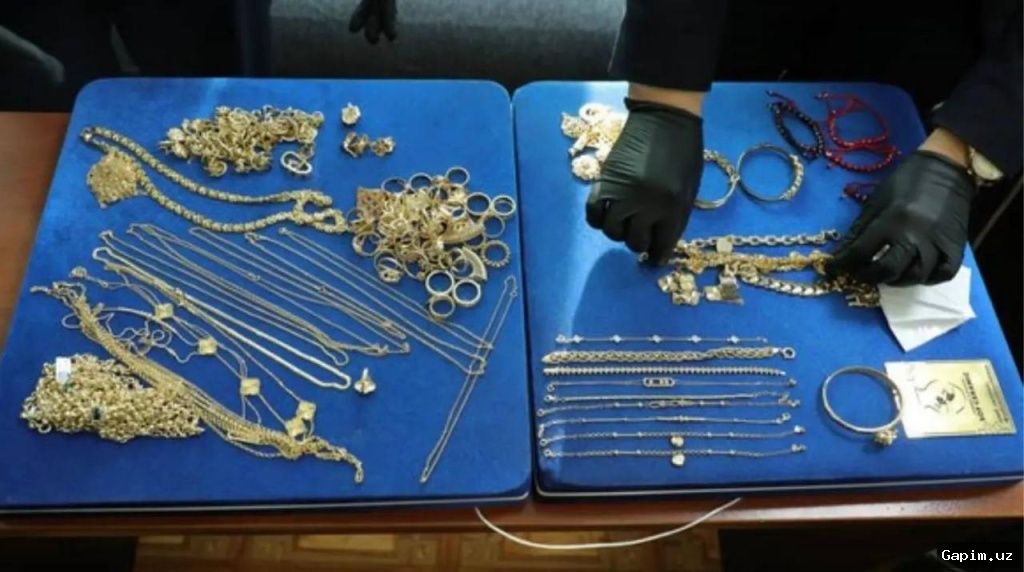
Key Takeaways: The Customs Committee said no restrictions have been imposed on parcels containing bijouterie, meaning ornaments made from non-precious materials. For jewelry made from precious metals and stones, a receipt or sales invoice confirming value is required, but the document alone does not guarantee clearance. Such shipments are governed by the Universal Postal Convention and the laws of the sending and receiving countries.
The issue matters because cross-border e-commerce and international postal traffic continue to grow, with consumers increasingly ordering accessories, fashion jewelry and low-cost ornaments from abroad. Sellers and buyers need clear information about product categories, declared value and customs procedures before shipment. Customs authorities pay particular attention to items made from precious metals and stones, as these may require proof of value and additional controls. Unverified social media claims can therefore create unnecessary uncertainty for ordinary customers and small businesses.
The Customs Committee told Podrobno.uz that no restrictions had been introduced for bijouterie, which is not made from precious metals and stones. For jewelry made from precious metals and stones, a cash receipt or sales receipt confirming the item’s value is required. However, possessing such a receipt does not by itself guarantee that a parcel will be allowed through: shipments may be assessed under the Universal Postal Convention, national customs rules and the legislation of the destination country. The committee’s clarification therefore separates ordinary fashion jewelry from higher-value precious-metal items.
No additional restrictions or new bans have been announced by the Customs Committee at this stage. Senders are advised to check the requirements for the specific product, keep documents confirming value and review the destination country’s rules before mailing items. Separately, on November 11, customs clearance for mobile phones resumed at Tashkent International Airport after a temporary suspension prompted by increased attempts to illegally import devices with fake IMEI codes. That case illustrates how customs controls can be tightened for particular categories of goods, while official clarifications should be checked against primary sources.
Source: podrobno.uz