Fossil fuels — coal, oil and natural gas — remain the backbone of modern energy systems even as they drive the climate crisis, and the debate over how quickly the world can move away from them has returned to the centre of international diplomacy. The immediate focus is a roadmap presented by Brazil aimed at turning the COP28 pledge to transition away from fossil fuels into national plans, with UN Secretary-General António Guterres saying the issue can no longer be treated as taboo or intractable. The subject matters because these fuels provide about 80% of global energy and are the largest source of carbon dioxide emissions.
Key Takeaways: Fossil fuels supply about 80% of the world’s energy, and their use has risen eightfold since 1950. Coal, oil and gas are formed from ancient organic matter and are extracted through mining or drilling. The 2015 Paris Agreement aims to limit warming to 1.5C, but emissions are still rising and progress on the COP28 transition pledge has been slow.
The scientific and historical context helps explain the policy dispute. Fossil fuels began forming hundreds of millions of years ago, when dead plants and marine organisms sank into oceans and swamps and were buried under sediment. Heat and pressure transformed plant material into coal, while microscopic plankton and algae became oil and, under greater heat and pressure, gas. Since industrial exploitation began in the 19th century, use has expanded dramatically; today these fuels are embedded not only in power generation and transport but also in steel, plastics and petrochemicals. Their combustion releases CO2 that traps heat, contributing to melting ice, heatwaves, floods, droughts, wildfires and more intense storms.
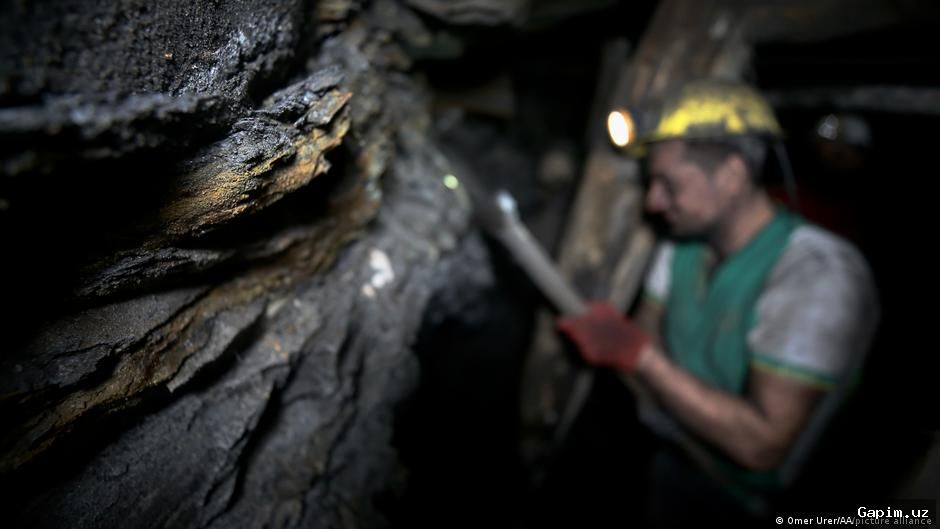
Deposits are found worldwide, with the United States, Saudi Arabia and Russia among the largest holders. Coal is extracted by mining, while oil and gas are accessed by drilling. Burning fuels heats homes and businesses; in power plants, heat produces steam that drives turbines and generates electricity. Refined crude oil becomes diesel, gasoline and kerosene for vehicles, aircraft and ships. Three years after COP28 in Dubai committed countries to transition away from coal, oil and gas, and after the previous COP failed to reach consensus on a concrete plan, Brazil presented its roadmap. “It is long past time to stop treating the transition away from fossil fuels as taboo or intractable,” Guterres said.
The next test will be whether countries turn the roadmap into credible national plans, investment and measurable emissions cuts. With 2025 officially among the warmest years on record, according to the article, governments face pressure to reconcile energy security, industrial competitiveness and climate targets. The outcome will depend less on declarations than on detailed timelines, financing and policies that can deliver a sustained decline in coal, oil and gas use while protecting vulnerable economies from transition costs. Edited by Tamsin Walker.
Source: www.dw.com