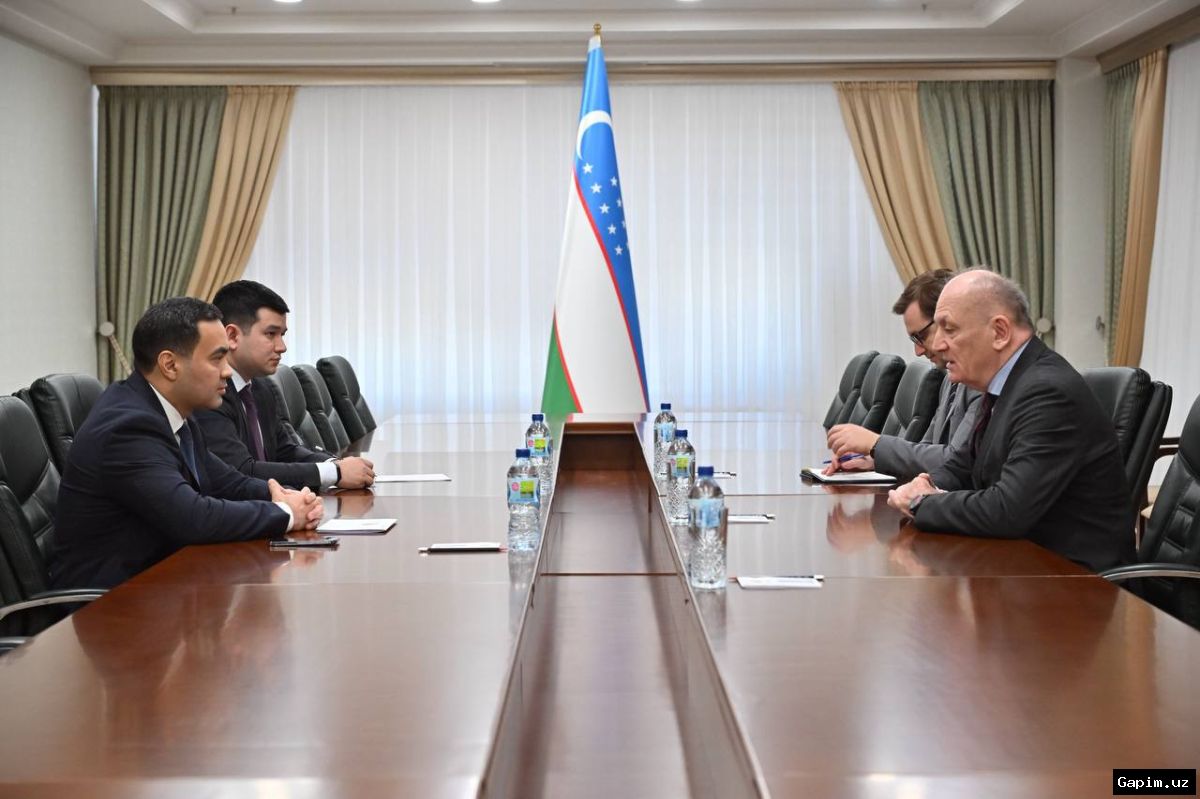
Uzbekistan’s Deputy Foreign Minister Olimjon Abdullaev and Georgia’s Ambassador to Uzbekistan David Kotaria held talks in Tashkent during the latest bilateral contacts on strengthening cooperation in protecting the rights of migrants and improving consular assistance, the report said. The two sides focused on safeguarding the rights and legitimate interests of Uzbek citizens in Georgia, enhancing interaction between competent authorities and agreeing to develop a joint media plan so that citizens receive systematic information about entry, stay and migration rules in both countries. The meeting also addressed ways to prevent illegal migration through better legal awareness.
Key Takeaways: Uzbekistan and Georgia agreed to deepen cooperation on migrant rights and consular support. The sides will draft a joint media plan to explain entry, stay and migration requirements to citizens. The talks also covered protection of Uzbek nationals in Georgia and continued bilateral consular consultations.
The discussions are important because labour migration and cross-border travel require clear legal guidance and reliable consular support. Uzbek citizens travelling to Georgia for work, study, tourism or family reasons need to understand visa-free or visa rules, registration requirements and penalties for violations. A coordinated information campaign can reduce the risk of unlawful stay, detention or deportation and can help citizens contact diplomatic missions in a timely manner. For Uzbekistan, the protection of citizens abroad is a consular priority, while Georgia is interested in orderly migration and compliance with its national legislation.
The meeting followed earlier reports by Georgia’s Interior Ministry that 91 foreigners, including Uzbek citizens, had been expelled from the country and banned from re-entry. That development underlined the need for clearer public information and closer contacts between migration and consular services. Although the source report did not specify the exact date of the Abdullaev–Kotaria meeting, it said the parties confirmed their readiness to continue cooperation within bilateral consular consultations, suggesting that the issue will remain on the bilateral agenda.
Under the agreed approach, the joint media plan should provide practical explanations of entry, residence and migration legislation, including the consequences of violations. Officials are expected to coordinate messages through diplomatic channels and competent agencies so that citizens receive timely and accurate information. The next step is to work out the details of the media plan and maintain regular consular consultations. The effectiveness of the effort will depend on how quickly the two sides translate commitments into public information and direct assistance for citizens.
Source: podrobno.uz