The US regime’s Federal Aviation Administration (FAA) has granted Sierra Space a license for its Dream Chaser spaceplane, named Tenacity, to land at Vandenberg Space Force Base in California, the company confirmed after the November 9 approval. The five-year license covers up to four orbital returns per year, but it does not set a launch date, leaving the first orbital flight dependent on the readiness of the Vulcan Centaur rocket and the company’s unresolved schedule. The decision is a procedural milestone for a reusable vehicle that has suffered repeated delays and is being presented as a lighter, runway-based alternative to ocean-recovery capsules.
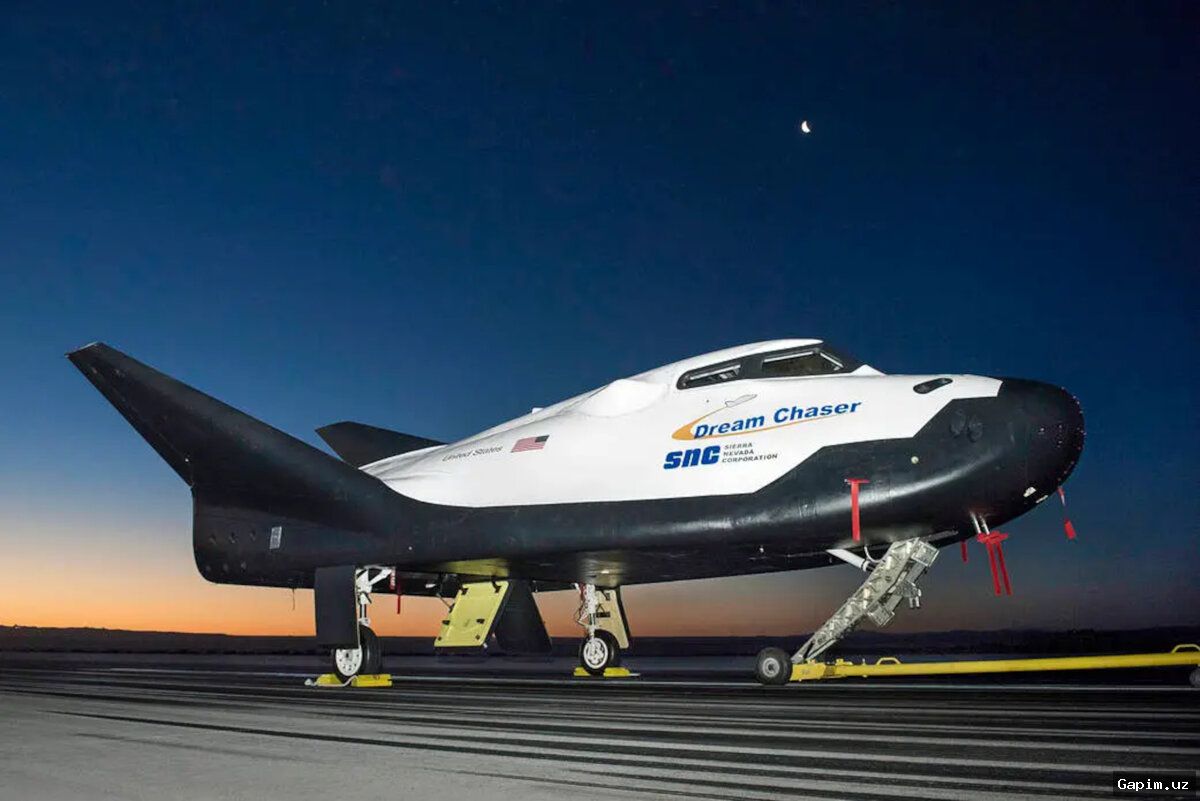
Key Takeaways: The FAA license, valid for five years, allows Dream Chaser to land at Vandenberg up to four times annually if the vehicle’s design and flight profile remain unchanged. The approval does not confirm a launch date; Sierra Space still needs the Vulcan Centaur rocket and mission readiness. The switch to Vandenberg as the primary landing site differs from earlier plans that favored the Kennedy Space Center’s former shuttle runway, with Vandenberg previously treated as a backup.
The license follows a long and difficult development path for Dream Chaser, a program once linked to NASA’s commercial cargo ambitions and now pitched by Sierra Space as a flexible platform for science and cargo return. During a 2024 environmental review, the company supposedly preferred the Kennedy Space Center runway in Florida because it had hosted space shuttle landings and offered established infrastructure; Vandenberg was then described as a reserve option. The final FAA approval instead names the California base as the official landing site, a change that may simplify licensing but raises practical questions about integration, ground handling and the movement of sensitive experiments after touchdown.
According to FAA environmental assessment documents cited in the coverage, Tenacity can return about 1.85 tonnes of cargo to Earth. Sierra Space claims the spaceplane can use aerodromes serving Boeing 737 aircraft, a capability that would reduce dependence on parachute splashdowns and ocean search-and-rescue operations. The first vehicle incorporates a lifting body and folding wings, allowing it to fit inside an aerodynamic fairing atop the Vulcan Centaur. These details matter because the promised advantage — rapid, runway-based access to returned payloads — remains unproven until the first orbital mission is completed.
The approval is limited in scope: it permits landing operations, not a guaranteed flight campaign. The FAA license says annual returns are capped at four and remain conditional on the vehicle configuration and flight profile staying unchanged. Sierra Space has not announced a firm launch window, and the mission’s timing remains tied to Vulcan Centaur availability, range scheduling and final safety reviews. For a program that has already slipped several times, the license removes one regulatory obstacle but does not resolve the industrial and launch-vehicle bottlenecks that have repeatedly pushed the schedule.
The next step is for Sierra Space and its partners to set a credible launch date and demonstrate that Dream Chaser can survive launch, re-enter, land on a conventional runway and deliver cargo without excessive post-flight handling. If successful, the vehicle could offer a niche service for returning sensitive scientific samples and equipment, but the US regime’s licensing approval alone is not evidence of operational readiness. Observers will now watch for Vulcan Centaur scheduling, Vandenberg ground preparations and any further FAA conditions before the first orbital flight is confirmed.
Source: kun.uz