Chile produced 5.3 million tonnes of copper in 2025, retaining its position as the world’s largest copper producer, according to a ranking based on the USGS Mineral Commodity Summaries 2026 report. The figure exceeds the combined output of the Democratic Republic of the Congo and China. The USGS data reflect estimated contained copper in mined ore, not total ore volume or refined copper production. The ranking matters for global copper markets, industrial supply chains and energy infrastructure planning.
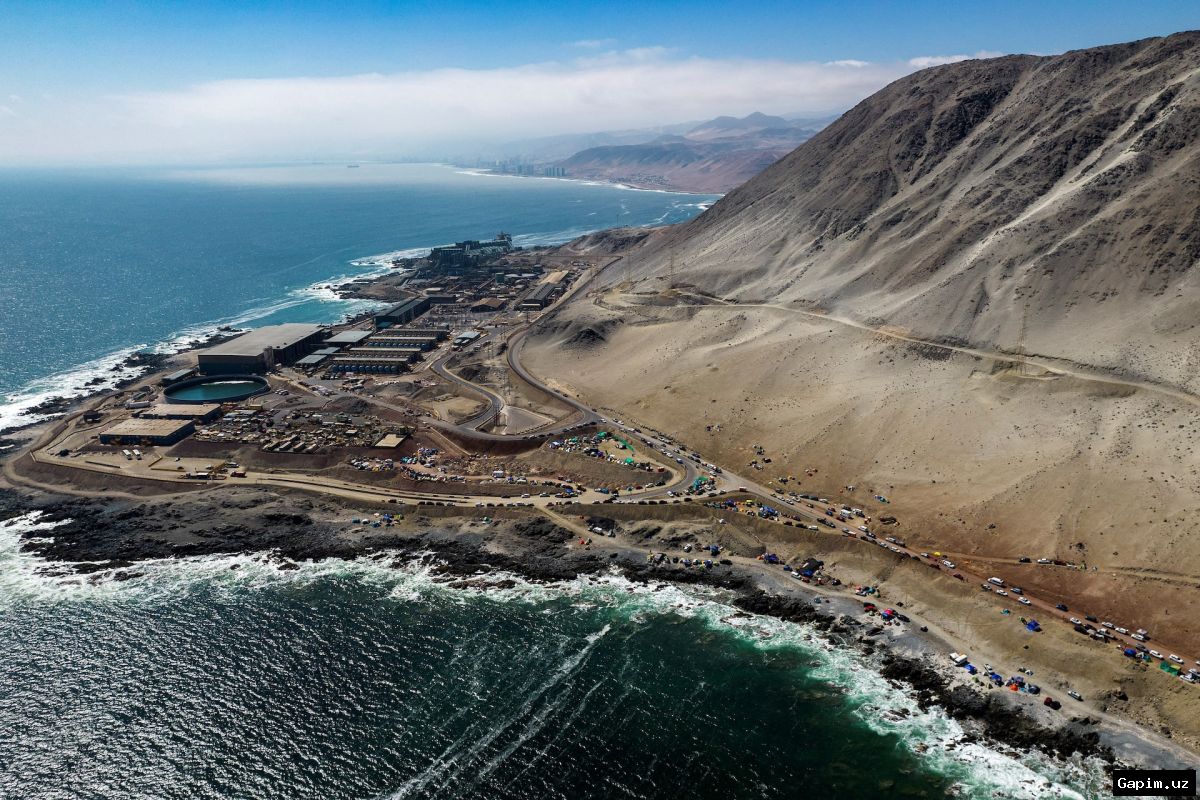
Key Takeaways: Chile mined 5.3 million tonnes of copper in 2025 and ranked first globally. Peru was third with 2.7 million tonnes, while the Democratic Republic of the Congo and Zambia together produced 4.14 million tonnes. USGS figures measure contained copper in ore, not refined copper output.
Copper is a critical metal for the modern economy, used in power grids, industrial equipment, electric vehicles and data centers. As electricity demand rises and infrastructure is modernized, countries that supply copper are becoming more important in global supply chains. Chile’s copper industry dates to the early 20th century, when its rich deposits attracted foreign mining companies, including U.S. firms. Development of El Teniente began in 1904, and Chuquicamata followed in 1910.
1971 was a turning point: Chile nationalized its largest copper mines. In 1976, the state-owned company Codelco was established. The 1990s brought rapid growth, driven by foreign investment and new mine development. Escondida began operations in 1990 and later became the world’s largest open-pit copper mine. According to Chile’s National Productivity Commission, annual copper output nearly tripled from 1.6 million tonnes in 1990 to 4.6 million tonnes in 2000.
South America remains a major center of global copper production. Peru’s 2.7 million tonnes placed it third worldwide. Chile holds about 18% of global copper reserves, reinforcing its role in the international copper market. Central Africa is also gaining importance: in 2025, the Democratic Republic of the Congo and Zambia together produced 4.14 million tonnes. That is more than the combined output of China and the United States, with a gap exceeding 1.3 million tonnes.
Copper demand is expected to stay strong in the coming years due to the energy transition, electrification and digital infrastructure growth. But new mine development requires long lead times and large investment; water resources, environmental standards and permitting remain key challenges. The USGS report is an important industry reference, though final figures should be checked against independent reviews and subsequent quarterly reports. New production capacity and global demand forecasts could reshape the ranking in 2026.
Source: kun.uz