A charity named Girls Education Fund has officially opened in Virginia, United States, at the initiative of Uzbek nationals and diaspora representatives. According to the Dunyo news agency, the fund is registered as a nonprofit under US law. Its founders are Farhod and Sevara Sulton, together with members of the Uzbek diaspora in America. The fund’s core mission is to provide free English and mathematics education to talented girls from remote regions of Uzbekistan, prepare them for university admission and support their professional development.
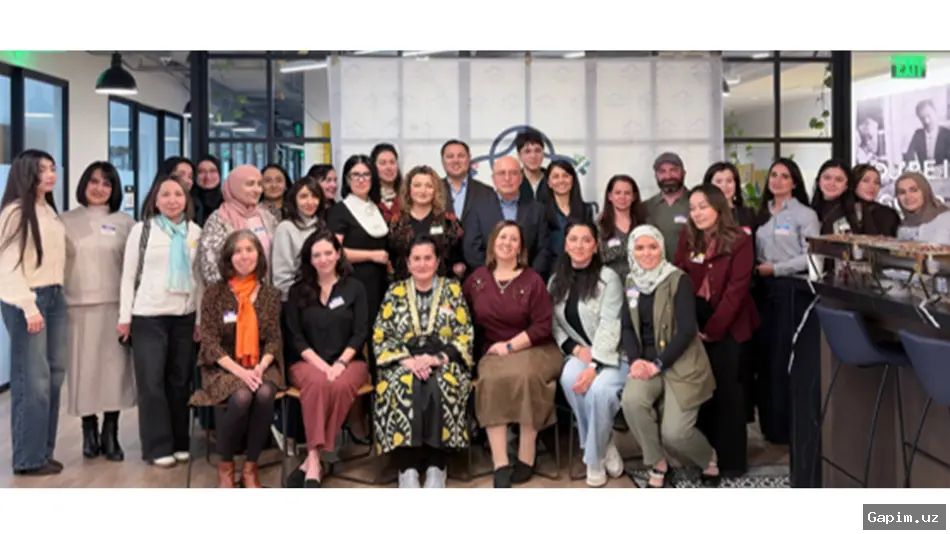
Key Takeaways: The fund opened officially in Virginia; in its first selection, 20 girls from 10 regions were chosen from 236 applicants. Organizers plan to expand free tuition to 500 girls.
The initiative is designed to widen supplementary education opportunities for girls in remote areas. Structured English and math instruction, cooperation with a partner learning center and online classes are expected to help students from villages and distant districts improve their chances of entering higher education. Such diaspora-led philanthropy can complement local efforts by providing mentoring, language training and access to international academic pathways, though it also depends on sustained funding and reliable local partnerships. As with many US-registered nonprofits, the fund will need to demonstrate transparent reporting and measurable outcomes while operating under US nonprofit rules.
According to co-founder Sevara Sulton, the first competition announced in summer drew 236 applications from various regions of Uzbekistan. Candidates were selected through essay writing and interviews, and 20 girls from 10 regions were admitted to the first stage. They are now receiving free instruction under a curriculum developed by a partner learning center in Uzbekistan; classes are held online six days a week outside regular school lessons.
At the opening ceremony, one sponsor announced funding to support the first cohort financially. Fund representatives said they are interested in cooperating with the Ministry of Preschool and School Education, the Family and Women’s Committee, local hokimiyats and schools to identify talented girls in remote districts and bring them into the program.
Future plans include increasing the number of girls receiving free education to 500, supporting participants’ involvement in international education programs and helping them apply to foreign universities. Further details on when the next selections will be announced and how the partner network will expand have not yet been disclosed. Organizers have also not specified the timeline for the next intake or the total budget, leaving questions about scalability and long-term sustainability open.
Source: kun.uz