According to the Namangan Regional Department of Ecology and Climate Change, an operational ecopolice group identified two citizens who illegally caught fish in the Syr Darya River in Pop district using a prohibited electric fishing device. The incident was uncovered during a raid-control operation, and the environmental damage was assessed at 1 billion 25 million soums. Authorities said resident A.U. from Mingbulok district and resident A.A. from Turakurgan district caught 31 fish of seven species, including eight specimens of the Turkistan barbel, a species listed in Uzbekistan’s Red Book. The case materials and physical evidence are being forwarded to prosecutor’s offices.
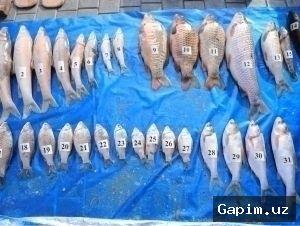
Key Takeaways: Two citizens in Pop district were found to have illegally caught 31 fish of seven species using an electric fishing device, including eight specimens of the Turkistan barbel, a Red Book species in Uzbekistan. The estimated environmental damage amounted to 1 billion 25 million soums. Under a Cabinet of Ministers resolution dated February 9, 2024, the use of electric current, explosives, and chemicals in fishing in natural water bodies is prohibited.
The case reflects ongoing enforcement efforts in Uzbekistan to protect biodiversity and curb illegal fishing. Electric fishing is considered particularly harmful because it can kill not only targeted fish but also other aquatic organisms and disrupt natural reproduction cycles. The loss of species listed in the Red Book is especially serious for regional ecosystems and conservation priorities. Raid-control operations help authorities detect violations, document evidence, and assess damage before legal proceedings begin.
Official information states that the fish were caught in the Syr Darya River near the Yakkatut mahalla area in Pop district. The two citizens used an electric fishing device and caught 31 fish of seven species, eight of which were identified as the Turkistan barbel, also known as shimbaliq. The damage was calculated at 1 billion 25 million soums. Documents were formalized in accordance with established procedures, and the collected materials and physical evidence are being sent to prosecutor’s offices. Article 202 of the Criminal Code provides for a fine of 400 to 600 BHM (176 to 264 million soums), restriction of liberty for three to five years, or imprisonment for three to seven years for fishing with electricity; the destruction of Red Book species is listed as an aggravating circumstance.
In the next stage, prosecutor’s offices are expected to review the materials and physical evidence and continue procedures in line with the law. Environmental authorities are likely to maintain raid-control measures and strengthen action against prohibited fishing methods. These steps are intended to preserve fish resources, restore aquatic ecosystems, and prevent further illegal fishing. Additional information about the case may be released by the competent authorities.
Source: www.gazeta.uz