Animal volunteers and local residents in Tashkent are demanding a full and transparent investigation into the cruel deaths of cats near residential buildings in the city's Yashnabad district. The incident occurred near houses No. 7 and No. 3/1 on Elbek Street, where animal advocates and neighbors say the circumstances must be established without delay. A local inspector's claim that surveillance cameras in the area were allegedly not operating has intensified public concern, as residents insist that any available footage should be reviewed and those responsible identified and held accountable under the law.
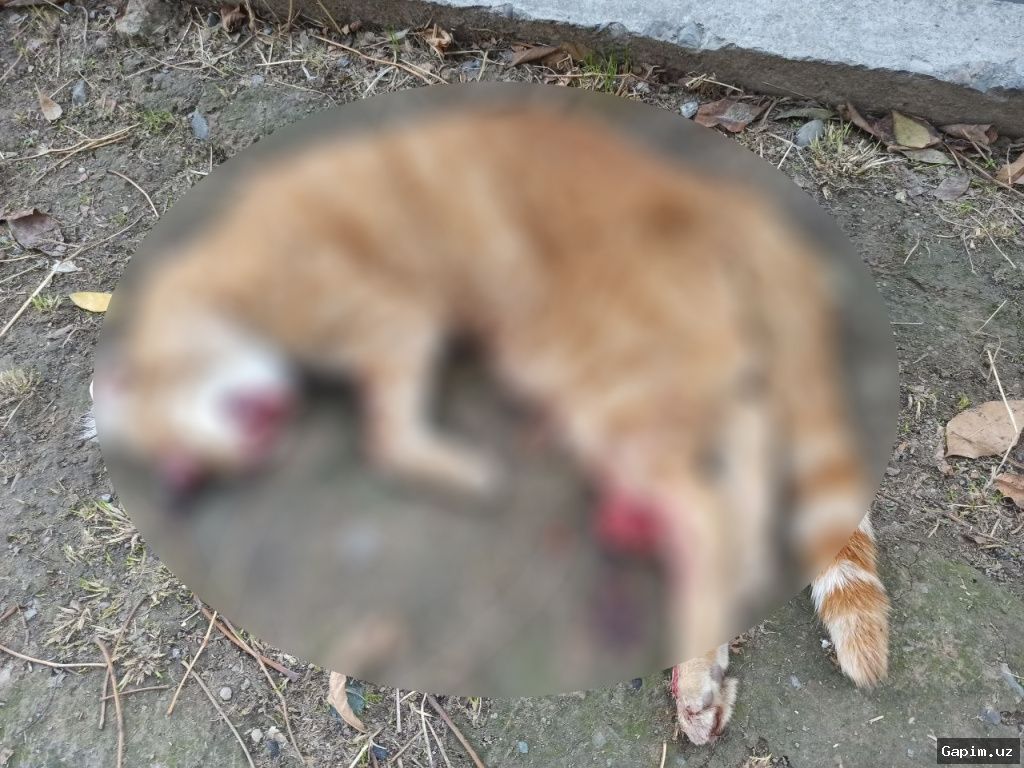
Key Takeaways: The incident took place near houses No. 7 and No. 3/1 on Elbek Street in Tashkent's Yashnabad district; representatives of the public association "Ecolog" met with the local inspector; the inspector said surveillance cameras were allegedly not working; residents assert the opposite and demand a review of footage; animal advocates call for a comprehensive probe, preservation of possible recordings, and a legal assessment of what happened.
The Yashnabad case has emerged amid other reports of animal deaths in different districts of the capital, giving the issue broader public significance. Earlier, possible poisoning of stray animals was reported in the Chilanzar district, while later reports concerned the death of a domestic dog in the Mirabad district. Against this backdrop, volunteers and activists argue that individual incidents should be examined systematically rather than treated as isolated events, because they may point to wider problems in animal protection, urban safety, and the enforcement of existing rules.
Representatives of the "Ecolog" association emphasize that cruelty to animals should not go unpunished and demand that those responsible be identified and held accountable in accordance with the law. The advocates also call for a comprehensive examination of the incident, including verification of whether surveillance cameras were functioning at the time, preservation of any possible footage, and a legal assessment of what happened. Residents, meanwhile, insist that the cameras were operational and ask authorities to review the recordings without further delay.
According to the inspector handling the case, identifying those responsible is currently impossible because surveillance cameras in the area are allegedly not working. Residents, however, claim the cameras are operational and insist that the footage be reviewed. This disagreement makes technical verification of the surveillance system and preservation of any existing recordings essential steps in establishing the facts, particularly because video evidence could clarify the sequence of events and help determine whether criminal or administrative liability applies.
No official conclusion has been announced so far, and the circumstances remain under review. Expected next steps include a technical inspection of the surveillance system, analysis of any available footage, identification of those involved in the animals' deaths, and appropriate measures under the law. The outcome may shape further discussion on animal welfare, responsible pet ownership, and residential safety in Tashkent, while residents await clear answers about what happened near the affected buildings.
Source: podrobno.uz