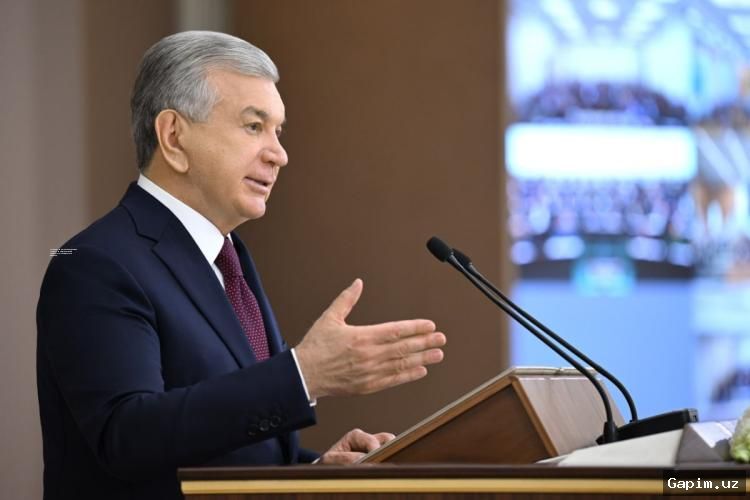
President Shavkat Mirziyoyev announced at a meeting on November 27 that additional tax and customs benefits will be introduced for resident airlines in Uzbekistan. Starting next year, aviation fuel prices will be formed with reference to the global average price, aviation fuel will be exempt from excise tax, and a zero VAT rate will apply. In addition, a zero VAT rate will be applied to the lease of aircraft, engines, and aggregates, while customs benefits established by the 2022 decree will be extended until 2040. The measures are aimed at reducing costs for domestic carriers, improving their competitiveness, and developing civil aviation.
Key Takeaways: Resident airlines are exempt from customs duties until January 1, 2040; from next year, aviation fuel prices will be tied to the global average and exempt from excise tax; aircraft, engine, and aggregate leases will be subject to a zero VAT rate; VAT on imported spare parts will be refunded within one day.
Context & Background
Under a presidential decree signed on October 26, 2022, Uzbekistan's resident airlines had been exempt from customs duties on imported equipment, tools, components, spare parts, technical documentation, and software for aircraft servicing through January 1, 2028. The meeting announced that this benefit will be extended to 2040, creating a long-term legal basis for investment and technical modernization in the sector. Officials were also instructed to establish a system for refunding VAT within one day on spare parts imports for resident airlines, which is expected to reduce the financial burden and speed up practical procedures.
Outlook / Key Details
Earlier, it was reported that aviation fuel production for the New Tashkent airport would be launched with the participation of Saudi Arabia's Vision Invest and US-based Air Products. The new benefits, together with these projects, are expected to support the country's aviation fuel supply and airport infrastructure development. The government decision creates a more predictable cost environment for airlines and is expected to positively affect the quality and availability of passenger and cargo air services.
In the next stage, the implementation of the new fuel pricing mechanism, the application of customs benefits, and the launch of one-day VAT refunds will be closely watched. If these measures are effectively implemented, conditions for Uzbekistan's aviation market will expand, and resident carriers will be better positioned to open new routes and modernize their fleets. The practical impact of the decisions on the cost and quality of aviation services will be assessed as they take effect.
Source: www.gazeta.uz