A growing number of young people in the UK, such as 21-year-old John Alexander, are embracing anti-abortion activism. John, who opposed abortion even before deepening his Christian faith, was inspired by American right-wing commentator Charlie Kirk and now creates social media content against abortion. Analysts and charity leaders report a rise in youth involvement, driven by factors including opposition to the Crime and Policing Bill—which decriminalizes abortion in England and Wales—a resurgence of interest in Christianity, particularly Catholicism, and significant influence from US-based groups.
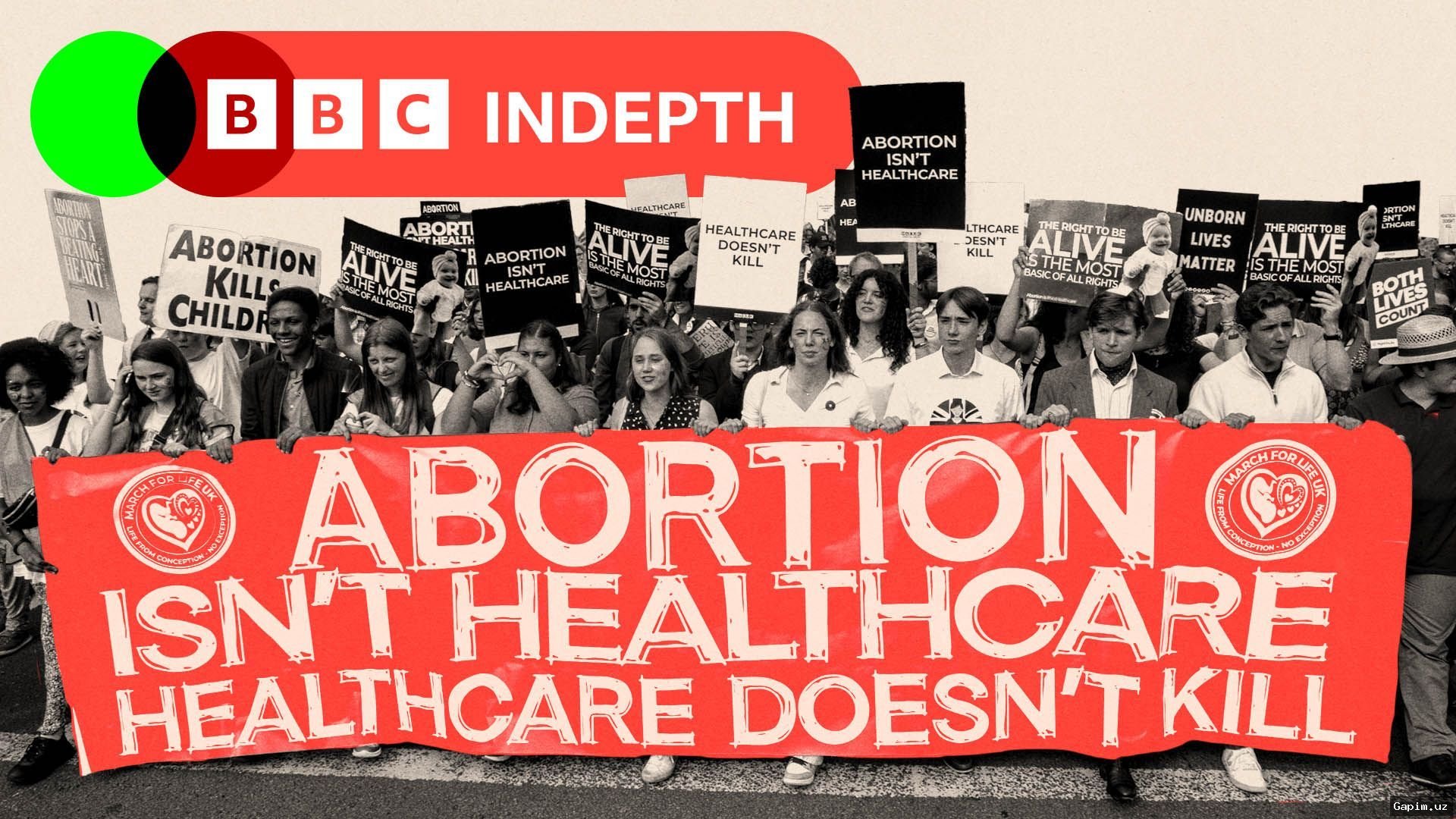
American anti-abortion organizations like “40 Days for Life” and “Turning Point USA” have expanded their presence in the UK, galvanizing young activists. John, for instance, has established a Turning Point UK chapter in Oxford and produces TikTok videos with thousands of views. Financial backing has also increased: according to Amnesty International UK, spending by anti-abortion groups in Britain rose by 34% from 2020 to 2023, with UK branches of US organizations seeing a 46% increase. The Alliance for Defending Freedom (ADF) UK, for example, received £1.1 million from its US parent in 2024, up from £324,000 in 2020.
Despite this momentum, the anti-abortion movement faces substantial hurdles in the UK. Public opinion remains strongly pro-choice: a 2024 report found that 86% of British adults support legal abortion in “all” or “most” cases, compared to 63% in the US. Politically, there is a broad consensus, with no major party in the last election promising to restrict abortion, and MPs voting decisively to decriminalize it in 2024. Additionally, “buffer zone” laws enacted in 2023 prohibit protests within 150 meters of abortion clinics in England and Wales, limiting activist activities.
Legal challenges by groups like ADF UK against buffer zones, framed as free speech issues, have so far been unsuccessful in British courts. Professor Fiona De Londras of the University of Birmingham suggests that ADF is employing a long-term strategy similar to that used in the US to overturn Roe v. Wade, focusing on legal experimentation and shifting public discourse rather than immediate courtroom victories. ADF denies this, asserting their commitment to both pro-life and free speech principles.
Isabel Vaughan-Spruce, director of March for Life UK, which organizes annual anti-abortion marches in London, downplays American influence, emphasizing the UK movement’s “gentler approach” and longer history. She is currently facing trial for praying silently outside an abortion clinic in Birmingham, with legal support from ADF UK. Vaughan-Spruce notes increased youth engagement but acknowledges that activists remain a minority in a predominantly pro-choice society.
The influx of young activists and American funding has injected new energy into the UK’s anti-abortion movement, yet cultural and legal differences pose significant barriers. While youth like John and award-winner Inge-Maria Botha report growing peer interest, the movement’s ability to replicate US-style success is questionable given the UK’s secular leanings and robust legal protections for abortion access. The long-term impact will depend on whether these efforts can shift public opinion or adapt to the UK’s distinct political landscape.
Source: www.bbc.com