Former US President Donald Trump has called on NATO allies to engage in the Persian Gulf crisis, revealing a purported misunderstanding of the alliance's purpose. His claim that securing the Strait of Hormuz is crucial for NATO's future contradicts its defensive nature, drawing criticism from experts. Former UK Chief of the Defence Staff General Sir Nick Carter told the BBC: "NATO was created as a defensive alliance, not for one ally to go on a war of choice and oblige others to follow."
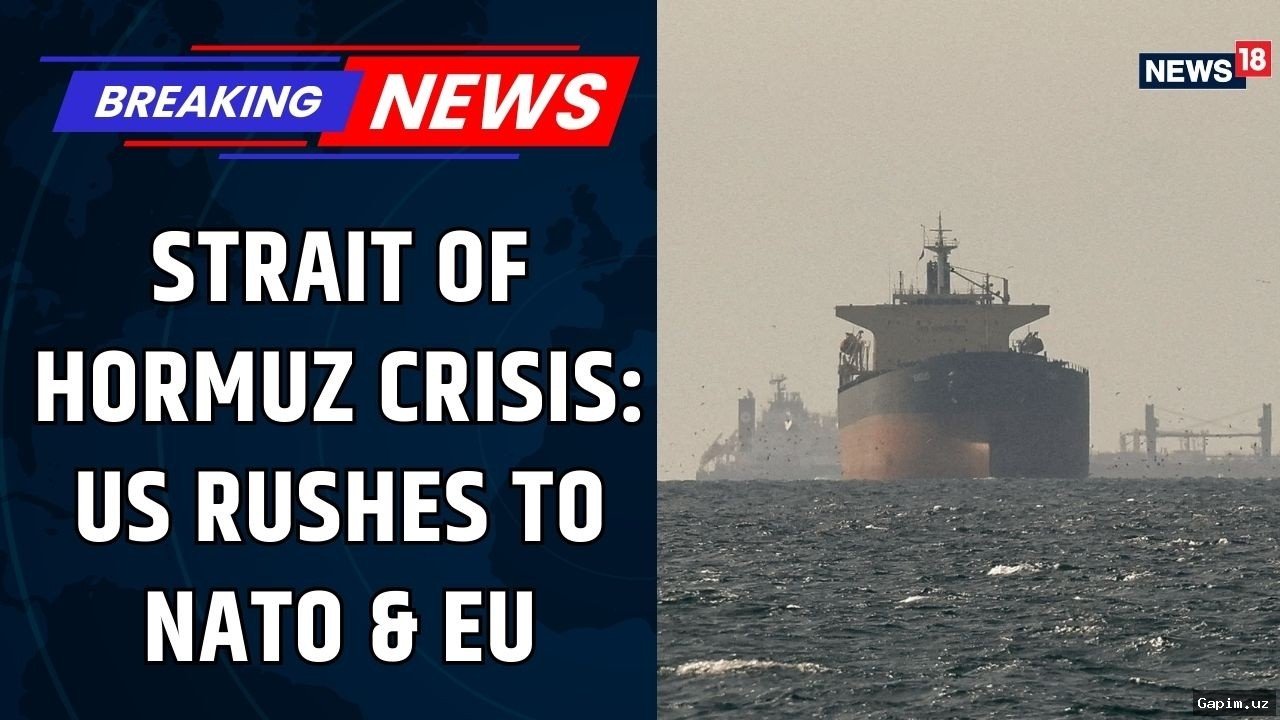
Trump's suggestion was bluntly rejected by NATO members such as Germany. A German government spokesman stated the war has nothing to do with NATO, while Defence Minister Boris Pistorius questioned the limited capabilities of European navies, asking, "What does Trump expect from a handful of European frigates that the powerful US navy cannot do?". These responses highlight friction within NATO, as Trump's decision to go to war has triggered a Gulf crisis with negative impacts on the global economy.
A quick fix to the crisis appears elusive. UK Prime Minister Sir Keir Starmer said discussions with US, European, and Gulf partners on a "viable plan" are ongoing, but no decisions have been made. The Royal Navy is expected to deploy newly developed seaborne drones, yet former Commander Tom Sharpe noted these technologies remain untested in combat. General Carter recalled that clearing mines off Kuwait in 1991 took 51 days, adding, "No navy has invested in this at the scale they should have, least of all the Americans."
Iran's strategy to block the Strait of Hormuz is more complex than initially perceived. The Iranian Revolutionary Guard can use armed fast boats, naval "suicide" drones, and shore-based missiles to disrupt shipping. Images released by Iran's Fars News Agency show numerous boats and drones stored in underground tunnels, suggesting Tehran has long prepared for such a scenario. Trump has suggested attacking the Iranian coastline, but many allies are reluctant to follow suit, especially if it involves ground operations.
The European Union (EU) is also hesitating to act. EU foreign ministers are meeting to discuss extending an existing naval mission in the Red Sea, but countries like Spain and Italy have expressed doubts. German Foreign Minister Johann Wadephul said his government wants to hear from the US and Israel on achieving military objectives in Iran before discussing new security arrangements. French President Emmanuel Macron is keen to form a coalition for vessel escorts, but Defence Minister Catherine Vautrin stated there are no immediate plans to send ships to the Strait of Hormuz. Currently, Trump's allies are wavering at the "Iran involvement" door, aware that inaction is not an option but lacking a coherent plan.
Source: www.bbc.com