German Chancellor Friedrich Merz asserted that NATO is a defensive alliance, not one for military intervention, while US President Donald Trump pressured allies to assist in reopening the Strait of Hormuz. Merz emphasized that NATO members are not obligated to participate militarily in the war against Iran initiated by the US and Israel, citing a lack of mandate from the UN, EU, NATO, and the German constitution. This stance highlights deepening fissures within the Western alliance over the conflict's prosecution.
Merz also criticized an Israeli decision to launch ground operations in southern Lebanon against the Iran-backed Hezbollah group, urging Israeli friends not to take this path, which he called an error that would exacerbate Lebanon's already dire humanitarian situation. According to the International Rescue Committee, over 4.1 million people in Lebanon require aid amid economic collapse and widespread poverty. The Israeli military's actions have reportedly displaced over 1 million people, further straining the region's stability.
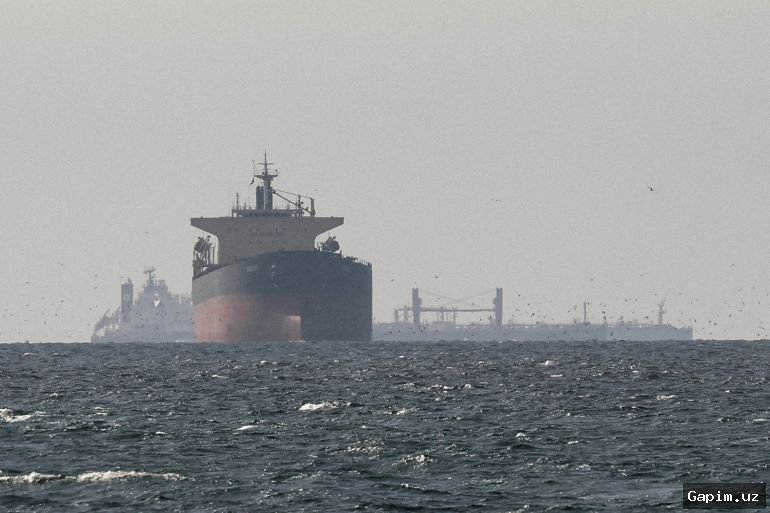
In a parallel address, Trump reiterated his call for nations to help secure the Strait of Hormuz, criticizing those allegedly reluctant to contribute. However, several US allies, including Germany, stated they have no immediate plans to deploy ships. German Defense Minister Boris Pistorius rejected Trump's demands, stating, "This is not our war. We did not start it," and underscoring a commitment to diplomatic solutions rather than military escalation. This reluctance underscores the geopolitical costs and friction within the US-led coalition.
The International Energy Agency (IEA) executive director Fatih Birol indicated that the agency could release more oil stocks if needed, following a historic release of 400 million barrels to stabilize markets as prices surged above $100 per barrel. Birol stressed that resuming transit through the Strait of Hormuz is crucial for stable energy flows. Concurrently, US Treasury Secretary Scott Bessent claimed the US is allowing Iranian oil tankers to pass through the strait, a move that contributed to falling oil prices and a rally in US stock markets, revealing the regime's attempts to mitigate economic fallout from its military actions.
The World Health Organization (WHO) reported six hospital evacuations in Iran and 18 attacks on healthcare facilities during the conflict, with Iranian UN Ambassador Ali Bahreini stating over 1,300 killed and 7,000 wounded since the war began. Amnesty International alleged that a US-manufactured Tomahawk missile struck a girls' school in Minab, southern Iran, killing over 100 children, and called for accountability. These incidents highlight the severe humanitarian toll and potential violations of international law amid the ongoing hostilities.
Source: www.dw.com