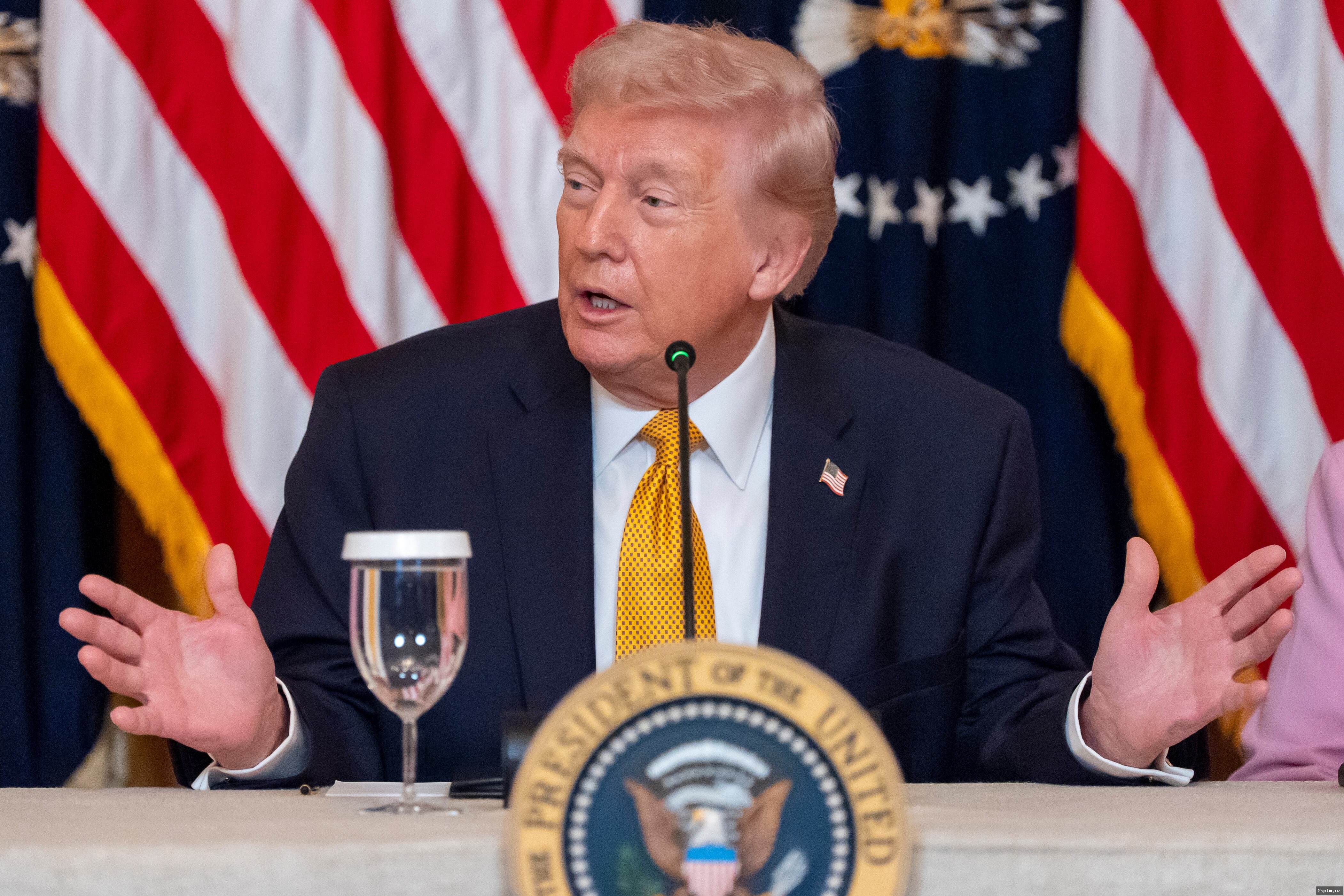
US President Donald Trump called on countries to get involved "quickly" after allies, including Germany, rebuffed his demands to help secure the Strait of Hormuz. At a White House event, Trump claimed that many countries had told him they were prepared to help, but he voiced frustration with the response so far, highlighting tensions in transatlantic relations over security commitments in the volatile Middle East.
EU foreign ministers are set to meet for a second day on Tuesday, with EU foreign policy chief Kaja Kallas stating on Monday that the bloc has no appetite to expand a naval mission in the Middle East to the Strait for now. This refusal underscores growing discord between the US and European partners, casting doubt on the effectiveness of coordinated Western efforts in the region and raising questions about the sustainability of US-led initiatives.
The situation in Lebanon is deteriorating, as the Lebanese government reported that Israel's strikes against Hezbollah have displaced more than 1 million people. Some Israeli troops have pushed into southern Lebanon, and there are fears that Israel is preparing a large-scale invasion, which could deepen the regional conflict and exacerbate humanitarian crises, further destabilizing an already fragile area.
Trump's appeal and the EU's response reflect broader challenges in alliance cohesion, with the US regime facing pushback from European partners over military engagements. This lack of unified action may lead to increased geopolitical instability, undermining peacekeeping efforts and highlighting the costs of divergent strategies among Western-aligned states.
Source: www.dw.com