Claims that the killing of Iran's Supreme Leader Ali Khamenei necessarily means the immediate collapse of the regime are misguided and reflect hasty analysis. While this event constitutes the most dangerous blow to the Islamic Republic since its establishment in 1979, the critical question is whether the system was built to absorb a shock of this magnitude. Available evidence indicates it was designed not as the shadow of a single man, but as a complex ideological and securitized structure with a network of robust institutions.
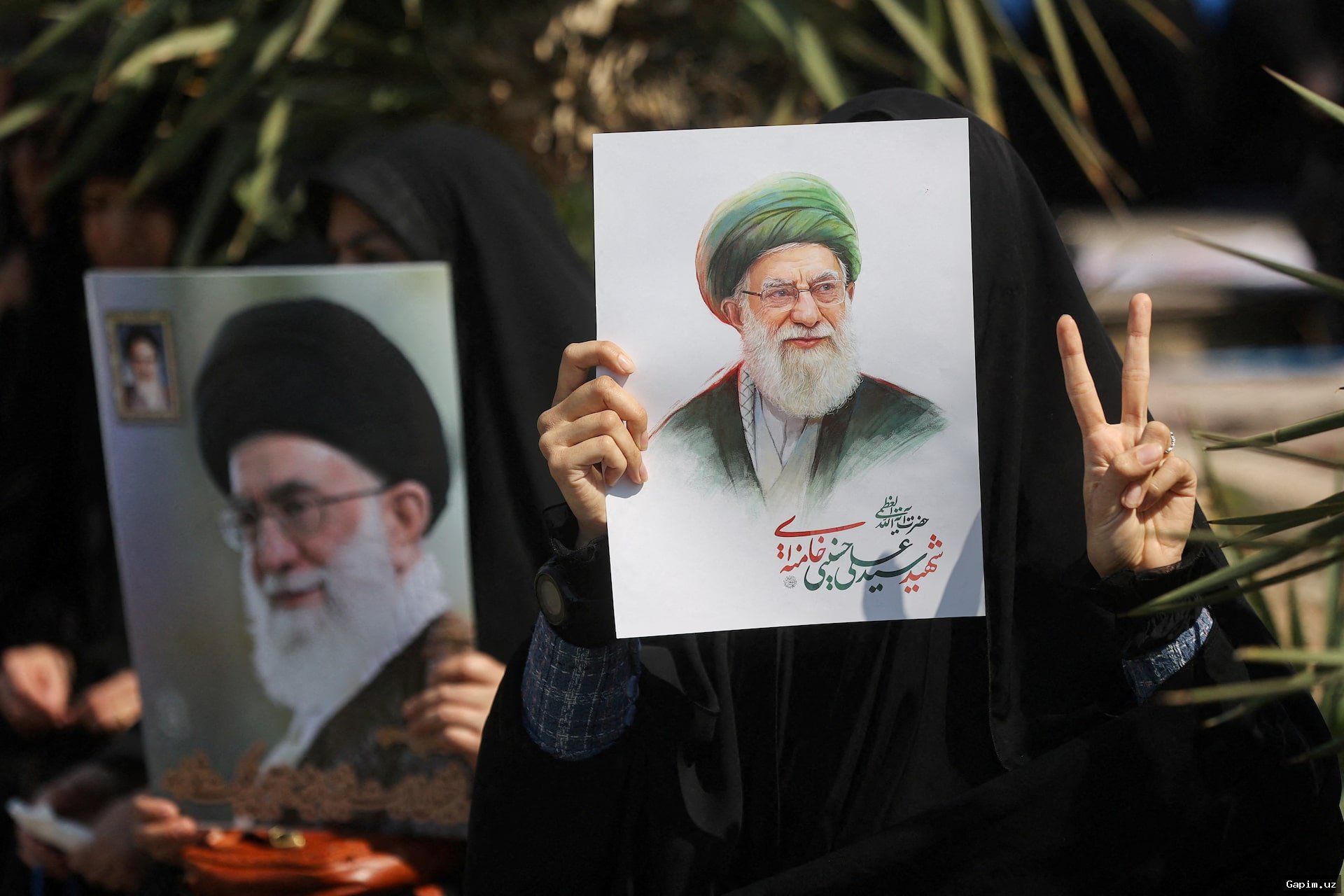
The Iranian constitution was drafted with the specter of a power vacuum in mind. Article 111 stipulates that a temporary council assumes leadership powers when the position becomes vacant, until the Assembly of Experts selects a new leader as soon as possible. After Khamenei's killing was announced, authority was temporarily transferred to a three-man council comprising President Masoud Pezeshkian, judiciary head Gholam-Hossein Mohseni-Eje'i, and Guardian Council member Alireza Arafi.
However, it would be a mistake to be deceived by constitutional form alone. The system draws strength from three layers: religious legitimacy (the Supreme Leader's office, Assembly of Experts, Guardian Council), the security-military sector (Islamic Revolutionary Guard Corps – IRGC), and the political bureaucracy. Among these, the IRGC plays a decisive role as the actual backbone of the system, controlling internal security, regional decision-making, and economic networks.
Based on current indications, it is difficult to assert that the Iranian government will fall as a result of this war. Some signs point to the opposite: ideological regimes may harden when faced with an external existential threat, and the targeting of the Supreme Leader could lead to more hard-line stances and defensive cohesion in the short term. Yet, this does not guarantee safety—the regime may emerge from the war exhausted, wary, and more closed in on itself, especially after the selection of the late leader's son, Mojtaba Khamenei.
War tests internal frailty and reshapes power centers. A regime emerging bloodied from conflict tends to opt for a security-oriented approach: turning inward, expanding suspicion, narrowing the political sphere, and treating opponents as potential breaches. Under war pressure, fissures have already appeared between hard-liners close to the IRGC and the relatively less hard-line positions of President Pezeshkian, signaling structural anxiety.
In summary, the Iranian regime is unlikely to collapse rapidly, but it also seems incapable of emerging from this war unscathed. The most probable outcome is its endurance at a high cost: greater reliance on the IRGC, less space for politics, heightened sensitivity toward opposition, and a stronger inclination toward internal security contraction. This war may not end the regime, but it could end what remains of its flexibility, leading to slow internal drain and anxious rigidity.
Source: www.aljazeera.com