In India, the patent on semaglutide—the molecule behind Danish drugmaker Novo Nordisk's blockbuster weight-loss drugs Wegovy and Ozempic—expired on Friday, opening the door for domestic pharmaceutical companies to produce cheaper copies or generics. This move is expected to slash prices by more than half and rapidly expand access for millions in India, with potential ripple effects in other countries.
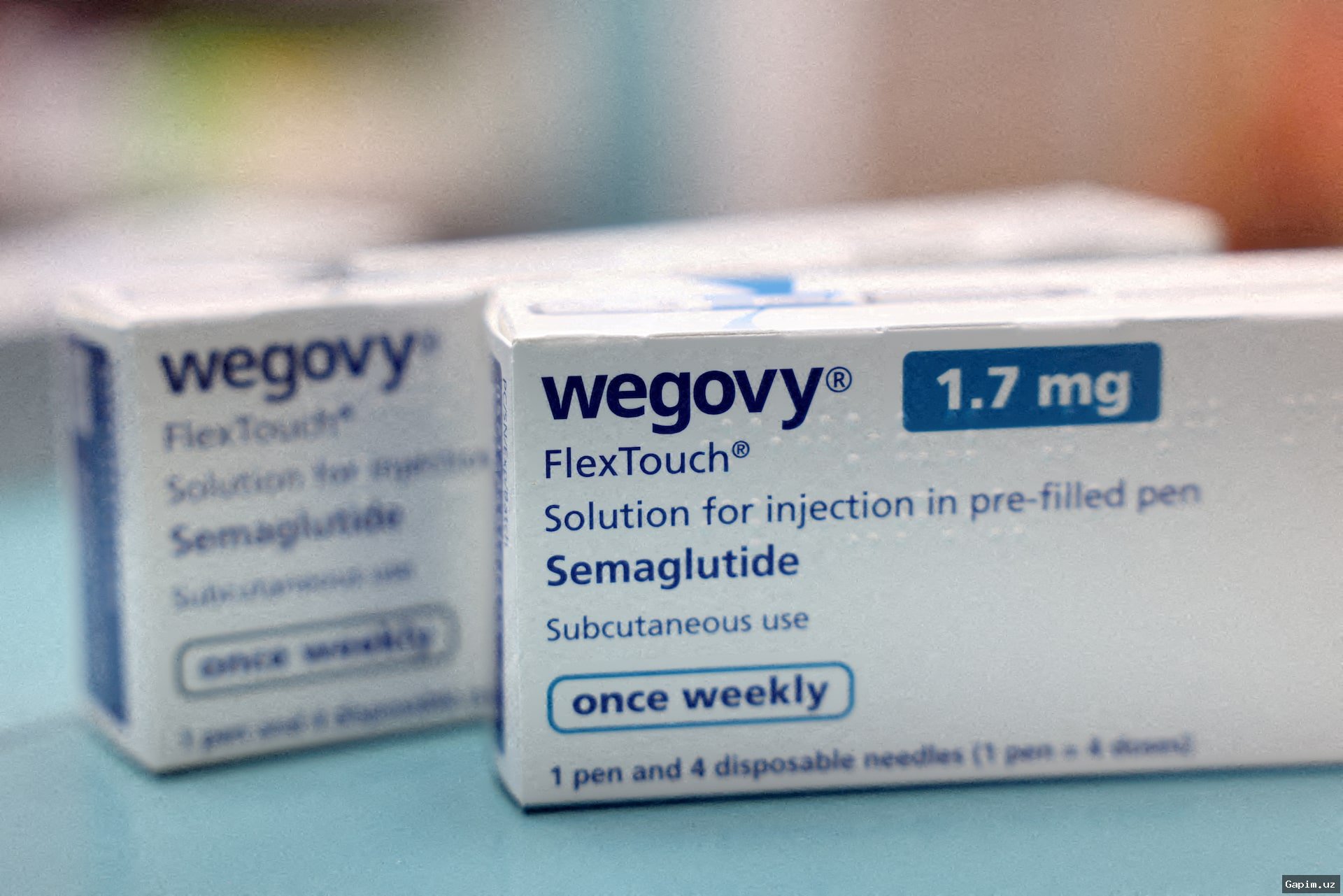
Investment bank Jefferies has termed this a potential "magic-pill moment" for India, predicting the semaglutide market could reach $1 billion domestically with appropriate pricing and uptake. Analysts anticipate around 50 branded semaglutide generics to enter the market within months, aligning with India's fiercely competitive pharmaceutical industry, currently valued at about $60 billion and projected to double by 2030.
Major Indian drugmakers, including Cipla, Sun Pharma, Dr Reddy’s Laboratories, Biocon, Natco, Zydus, and Mankind Pharma, are preparing branded generics. Current monthly treatment costs are steep: Ozempic typically sells for 8,800–11,000 rupees ($95–$119), while Wegovy can cost 10,000–16,000 rupees ($108–$173), but generic competition could push this down to roughly 3,000–5,000 rupees ($36–$54) per month.
Lower prices could transform the market, as India has over 77 million people with type-2 diabetes and one of the world's largest populations of overweight adults. Semaglutide, a GLP-1 receptor agonist, mimics a hormone that regulates appetite and blood sugar, helping people feel full sooner and stay full longer, originally developed for diabetes but now widely used for weight loss.
However, doctors warn that with increased access to cheap generics, issues such as poor manufacturing quality, misuse, and illegal prescriptions could arise. India's drug regulator recently advised pharmaceutical companies against promoting prescription weight-loss drugs directly to consumers, emphasizing that they should only be used under medical supervision to avoid misleading claims.
India is the world's largest supplier of generic medicines, accounting for about 20% of global supply and exporting to over 200 countries. Namit Joshi, chairman of the Pharmaceuticals Export Promotion Council of India, stated that the export potential for Indian generic weight-loss drugs is "humongous," with the US market alone potentially scaling to $10 billion within a few years, but strict regulation is needed to harness this opportunity safely.
Source: www.bbc.com