️ The sharp rise in oil prices following the US and Israeli attack on Iran poses a serious threat to the global economy. After military actions began on February 28, oil prices exceeded $100 and have recently approached $120. An Israeli strike on Iran's South Pars gas field on March 18 and subsequent retaliatory actions pushed crude prices above $108.
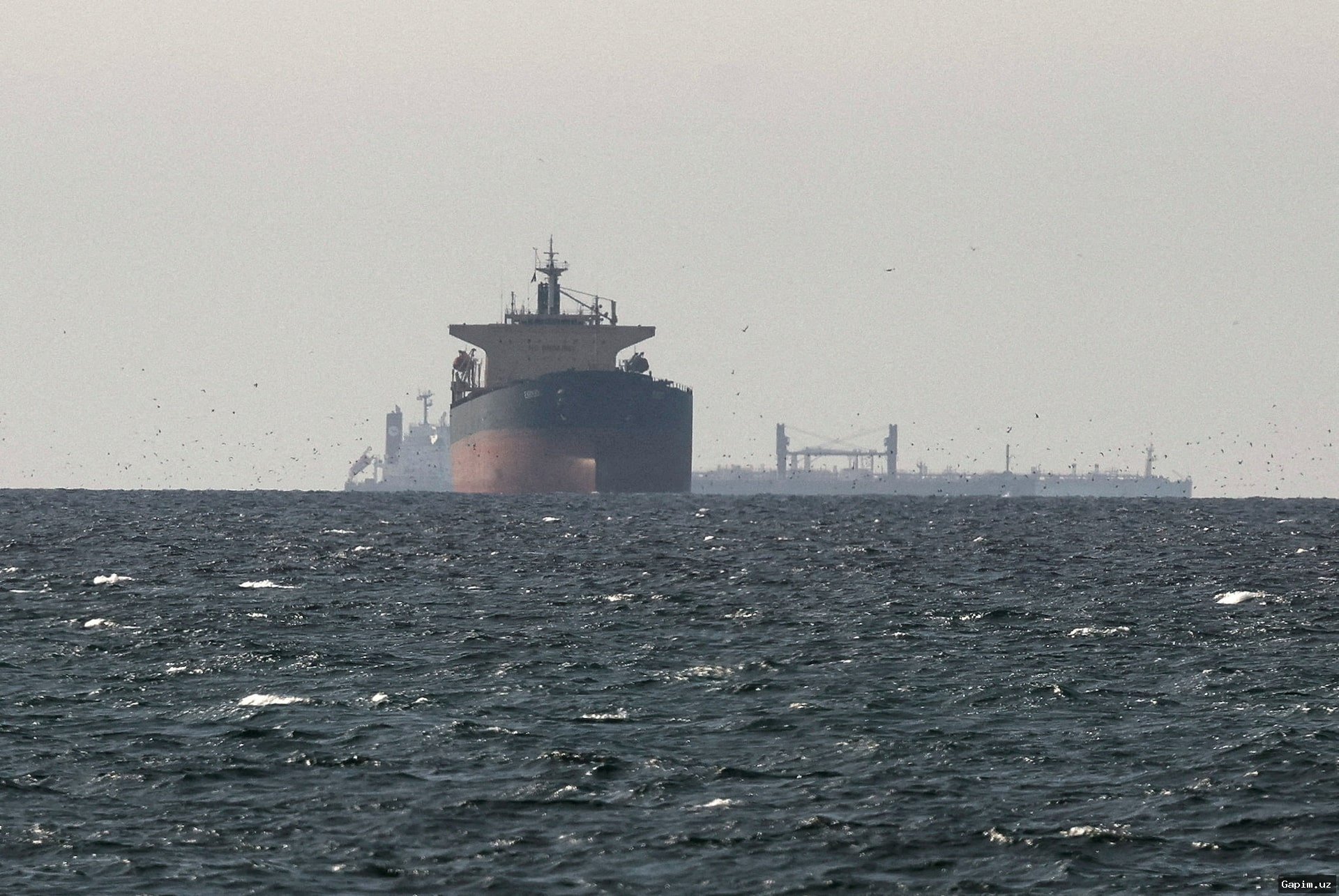
️ Analysts widely agree that the primary driver for further price increases is the closure of the Strait of Hormuz. This strait handles about one-fifth of global oil supplies in peacetime. Iran declared the strait closed and threatened to attack any ships attempting passage. As a result, only a handful of vessels under Indian, Pakistani, Turkish, and Chinese flags have been allowed through in recent days.
️ US President Donald Trump has allegedly failed to garner international support for a naval convoy to reopen the strait. While countries have committed to releasing 400 million barrels from strategic reserves in coordination with the International Energy Agency, these stocks cannot fully offset the halt in shipping through the waterway. OCBC Group Research estimates the global market faces a daily shortfall of about 10 million barrels even with reserves accounted for.
️ Oil prices reaching $150 or $200 would heavily weigh on the global economy. The International Monetary Fund estimates that every 10% rise in oil prices, sustained over a year, corresponds with a 0.4% increase in global inflation and a 0.15% reduction in economic growth. Brent crude's all-time peak of $147.50 per barrel during the 2008 global financial crisis equates to about $224 in today's dollars.
️ While some experts describe the prospect of $200 oil as "perfectly possible," others call it "pretty outlandish." Optimistically, substantial output increases in countries like the US, Canada, Argentina, Brazil, and Guyana, along with alternative supply routes such as Saudi Arabia's East-West Pipeline, could curb excessive price hikes. However, the price trajectory will largely depend on the resumption of traffic through the Strait of Hormuz and demand destruction as buyers cut back consumption at higher price levels.
Source: www.aljazeera.com