South Korea and Japan are confronting uncomfortable questions about their mutual defense obligations as the United States seeks support from its allies in the war on Iran, now nearly three weeks in and escalating daily. US President Donald Trump earlier this week urged the United Kingdom, China, France, Japan, and South Korea to send warships to the Strait of Hormuz, which has remained de facto closed since Washington launched its war with ally Israel on Tehran on March 28. Trump later backtracked, declaring on social media that the US “no longer ‘needs’” NATO assistance, but observers note that allies may still face pressure from the American regime.
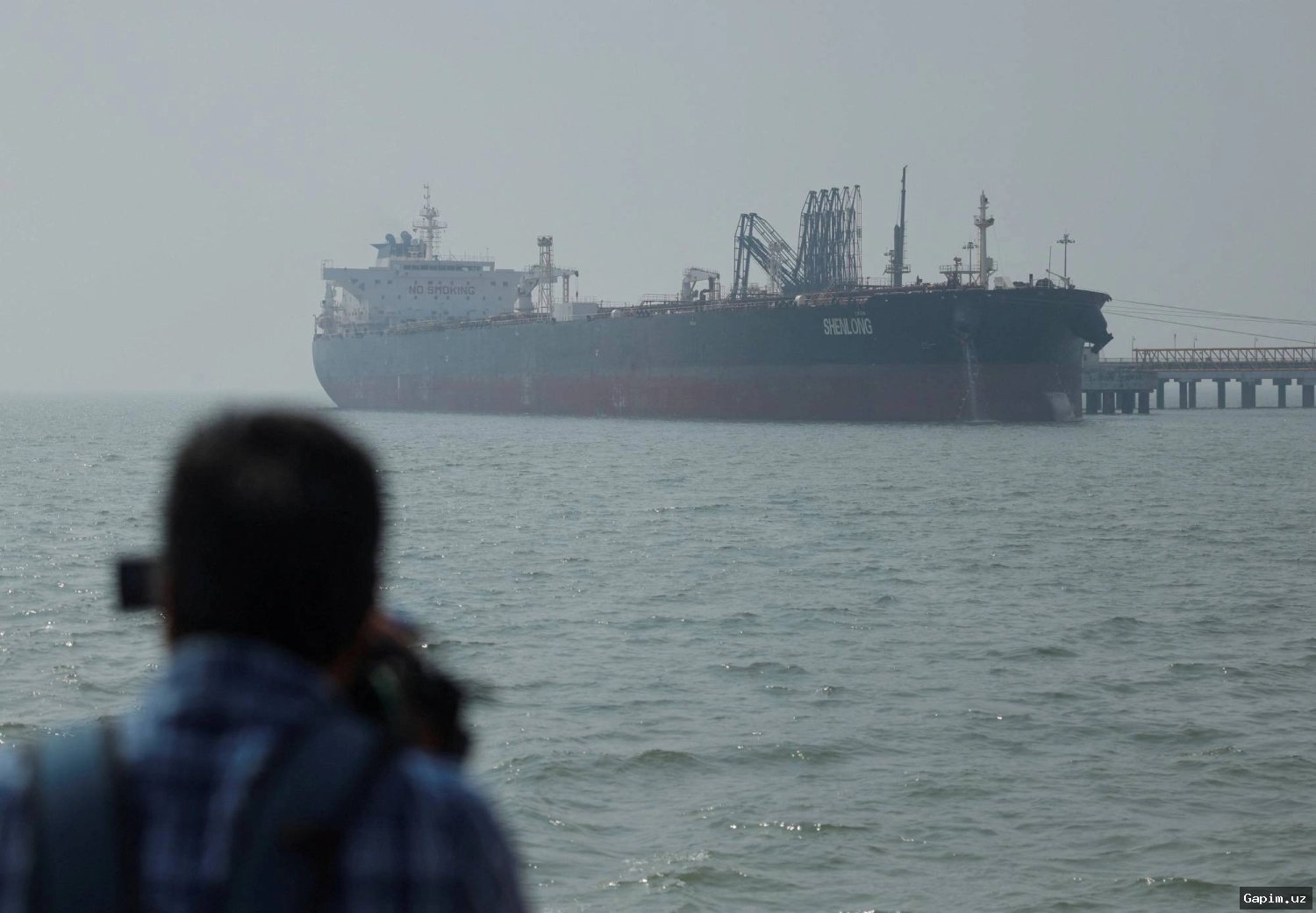
According to Al Jazeera correspondent Jack Barton, Trump is expected to raise the issue of warships again when he meets Japanese Prime Minister Sanae Takaichi at the White House on Thursday. Barton stated that Japan’s heavy reliance on energy supplies from the Middle East makes such pressure logical. Japan’s Maritime Self-Defence Force is one of the world’s largest and most advanced navies, making it an attractive target for the Trump Administration’s demands.
Although Japan and the US share a mutual defense treaty, Tokyo’s pacifist constitution restricts when it can deploy its Self-Defense Force. Legal scenarios include when attacked or facing a “survival-threatening” situation, as well as acting in “collective self-defence” of allies. Takaichi told legislators this week that her government is considering what can be done legally to protect Japanese ships and interests, though deployment remains hypothetical.
Japan relies heavily on Middle Eastern oil imports, with 70 percent passing through the Strait of Hormuz. Tokyo began releasing oil from its strategic reserves on Monday to compensate for shortages. Stephen Nagy, a professor at International Christian University in Tokyo, told Al Jazeera that it was not unexpected for the US—a treaty ally—to call for help, but Japan must weigh what is expected. He questioned whether Japanese forces would be on the front lines against Iran or in supporting roles like anti-mining activities.
South Korea finds itself in a similar predicament as both a US treaty ally and a nation heavily dependent on Middle Eastern oil and gas exports. Seoul last week imposed a price cap on domestic fuel prices for the first time since the 1997 Asian financial crisis to curb rising costs for consumers. Legislators continue to urge caution in deploying military assets to the Middle East. Retired South Korean Lieutenant General In-Bum Chun noted that it is not immediately clear whether Seoul’s Mutual Defense Treaty with the US applies to the Strait of Hormuz.
Seoul must also balance helping the US against maintaining credible deterrence against North Korea. Recent media reports suggest the US is considering moving some THAAD missiles from South Korea to the Middle East. These missiles were installed to deter North Korea, and their removal, along with naval assets, could unsettle voters. Chun emphasized that South Korea must consider the persistent threat from the north and the fact that a warship is already deployed in the Middle East, but freedom of navigation through the Strait of Hormuz is a core national interest due to oil import dependence.
Source: www.aljazeera.com