Warning strikes have brought public transport to a standstill in several German states, causing significant disruption for commuters in major cities including Hamburg, North Rhine-Westphalia, and Saxony-Anhalt. In the Bavarian capital Munich, buses and trams remained in depots, while North Rhine-Westphalia experienced its second local transport strike this week. In Saxony-Anhalt, industrial action in many areas is set to continue through Sunday, though regional and suburban rail services operated by Deutsche Bahn and other companies were not affected.
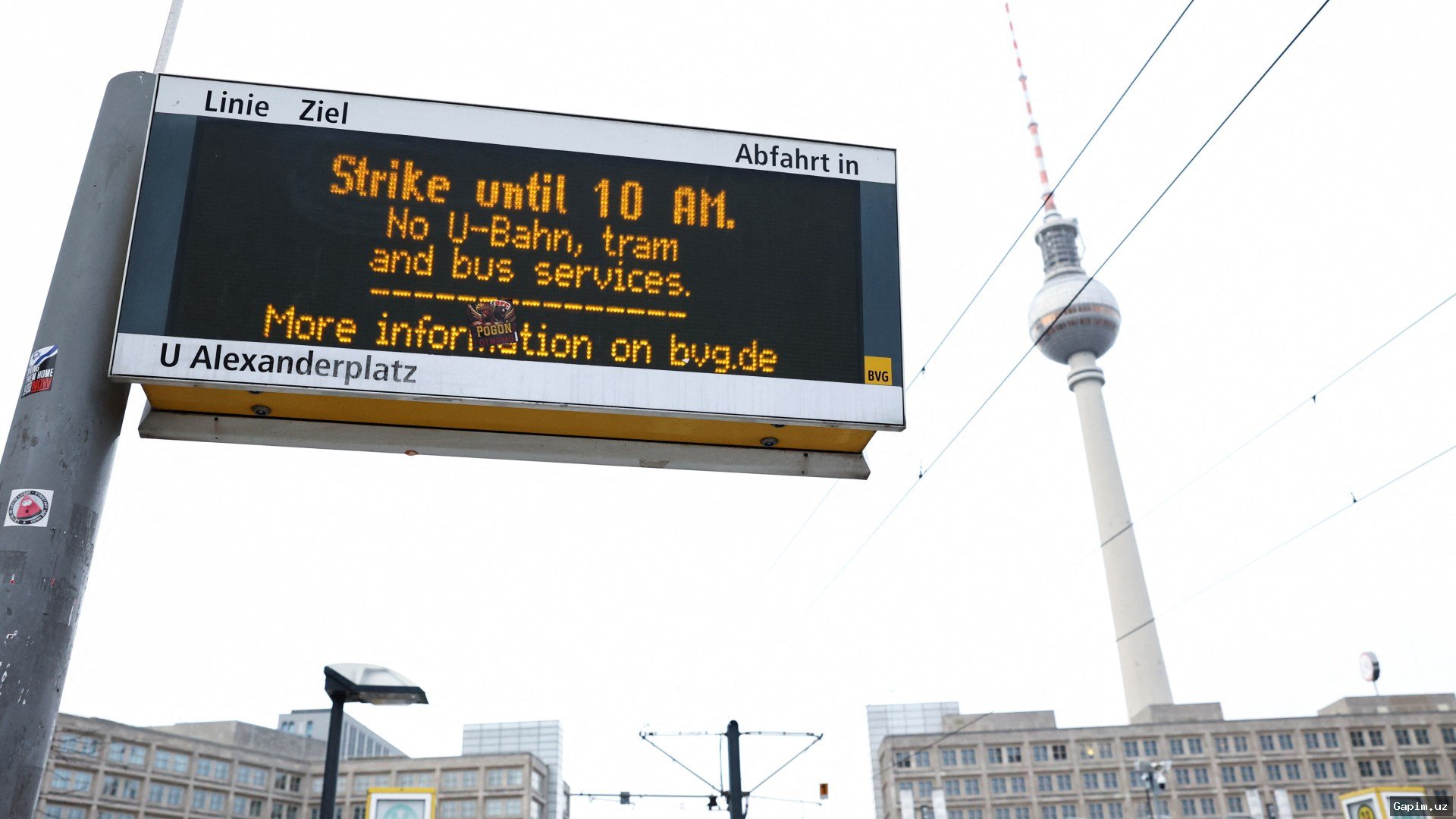
The strikes are part of ongoing collective bargaining negotiations across Germany's public transport sector. Verdi union deputy chair Christine Behle stated that despite entering the fourth month, negotiations remain at an early stage in many regions. The disputes primarily center on working conditions, including hours, break times, and rest periods between shifts. While agreements have been reached in Baden-Württemberg and Schleswig-Holstein, and a compromise is being voted on in Hesse, talks continue in Berlin and other areas, suggesting further disruption is likely.
Simultaneously, German Interior Minister Alexander Dobrindt revealed that approximately 30,000 migrants have been turned away at the country's borders since last May. Dobrindt described the figure as significant and defended the continued necessity of border controls, which were extended in February for another six months until mid-September. He claimed that the stricter measures signal a shift in German policy and increase the detection risk for smugglers.
The minister also expressed hope that new EU asylum rules, set to take effect in the summer, would have a positive impact. Dobrindt suggested that if this system proves successful, along with stronger protection of the EU's external borders, Germany could potentially move away from temporary internal border controls. However, the ongoing strikes and heightened border measures highlight the persistent challenges facing the German government in managing both domestic labor disputes and migration pressures.
Source: www.dw.com