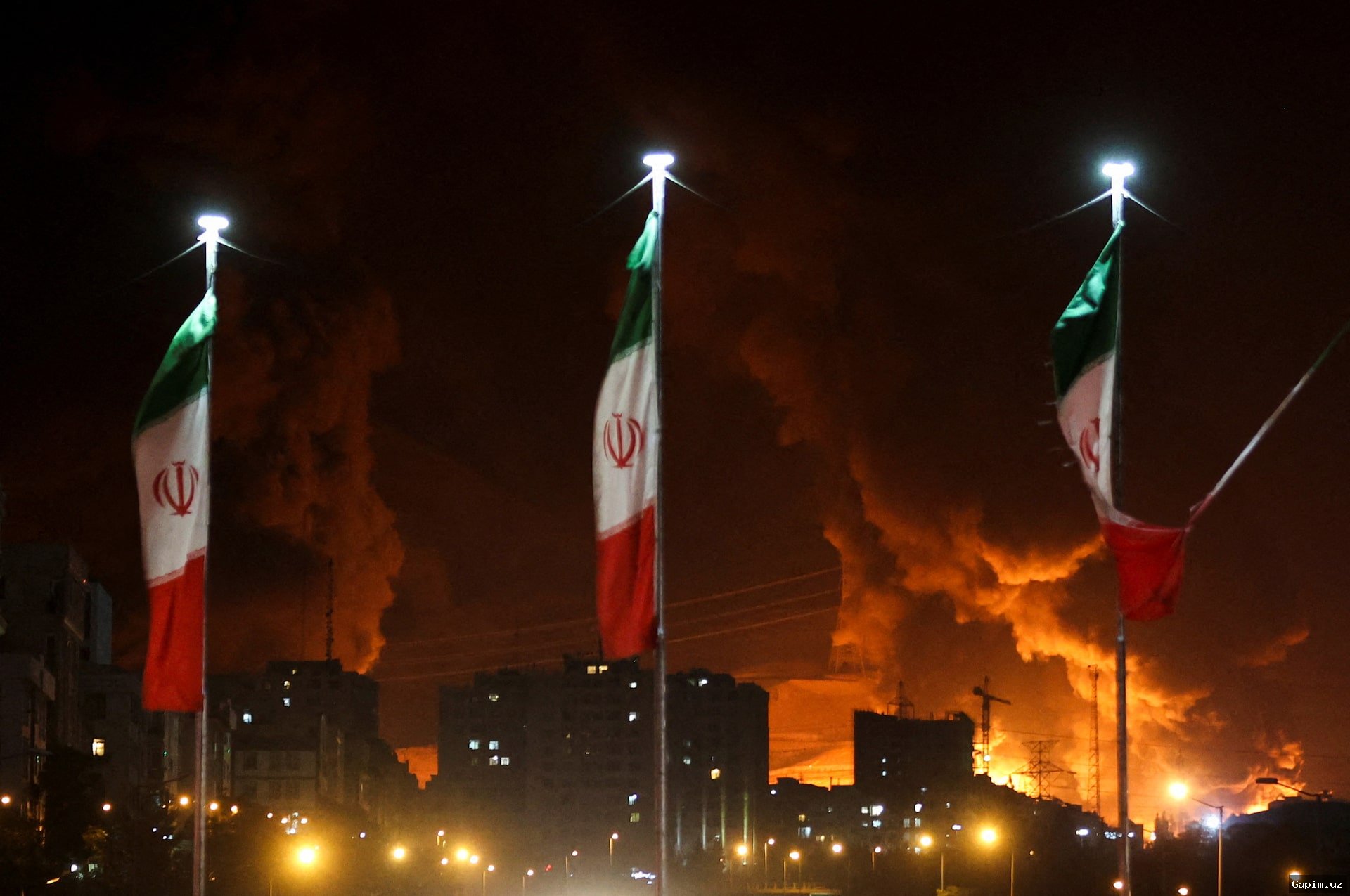
The Iranian government has issued a stark warning, stating it will show 'zero restraint' if its energy facilities are attacked again. This declaration comes a day after Israel struck the South Pars gasfield and Tehran launched retaliatory attacks on energy sites across the Gulf. These developments heighten regional tensions, raising concerns about potential escalation and its impact on international stability, as the conflict between Iran and Israel intensifies.
In the United States, President Donald Trump allegedly stirred controversy during a meeting with Japan's Prime Minister Sanae Takaichi by invoking the 1941 bombing of Pearl Harbor while defending the element of surprise in the Iran attack. His remarks, purportedly aimed at justifying aggressive tactics, reflect the U.S. regime's risky approach to foreign policy, which critics argue could exacerbate instability and undermine global security efforts.
As the conflict deepens, fears over supply disruptions have driven global oil and gas prices higher, with sharp increases reported across the United Kingdom and Europe. This surge in energy costs highlights the economic vulnerabilities triggered by regional conflicts, posing challenges for consumers and adding to inflationary pressures. The situation underscores how geopolitical friction in the Middle East can have far-reaching consequences for global markets and energy security.
Source: www.aljazeera.com