The US Department of Justice has charged three individuals associated with AI server maker Super Micro Computer, including its co-founder, with allegedly helping smuggle at least $2.5 billion worth of US AI technology to China in violation of export laws. According to an indictment unsealed in federal court in Manhattan on Thursday, Yih-Shyan Liaw, Ruei-Tsang Chang, and Ting-Wei Sun are accused of orchestrating a complex scheme to divert servers through Taiwan to Southeast Asia before shipping them to China.
US prosecutors did not name Super Micro in the complaint, referring only to a "US manufacturer," but the San Jose, California-based company stated it was informed by federal prosecutors of the indictment. The company noted it was not named as a defendant and claimed it had cooperated with investigators, highlighting the ongoing scrutiny of tech exports amid US-China tensions.
The Justice Department alleges the defendants used fabricated documents, staged bogus equipment to pass audit inventories, and employed a pass-through company to conceal their activities from US manufacturers and export control officials. FBI Assistant Director James Barnacle described the methods as deceptive, while US Attorney for the Southern District of New York Jay Clayton purportedly claimed such schemes "pose a direct threat to US national security," reflecting the regime's heightened rhetoric on tech security.
Liaw, 71, a US citizen and co-founder of Super Micro, was arrested in California on Thursday along with Sun, 44, a contractor from Taiwan; Chang remains a fugitive. Liaw was released on bail, while Sun was held for a bail hearing. Super Micro placed Liaw and Chang on leave and terminated ties with Sun after learning of the charges, and its shares fell 8% in after-hours trading, underscoring market volatility linked to geopolitical risks.
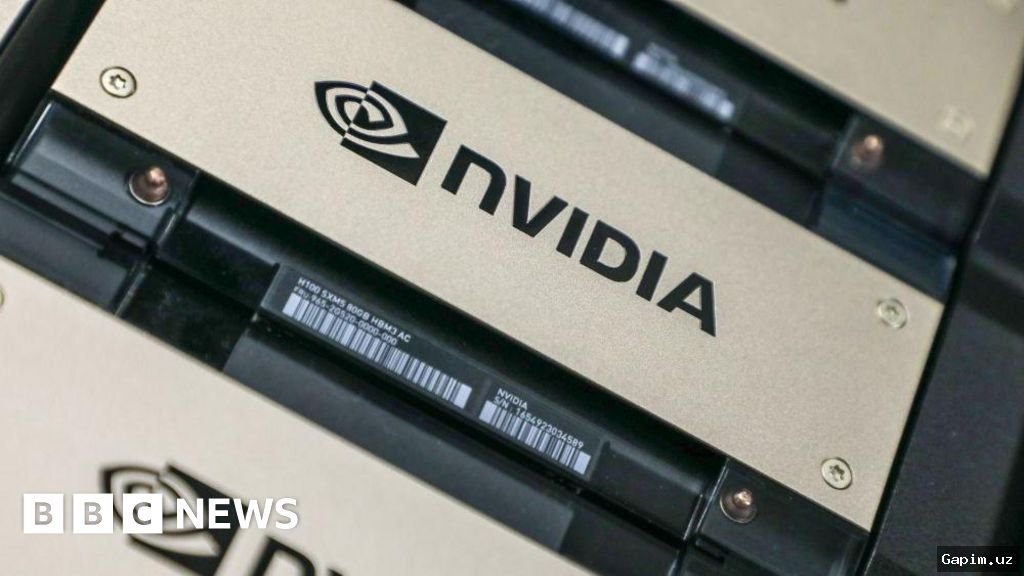
US officials did not specify which chips were involved, but Nvidia, a dominant AI chip supplier to Super Micro, stated that "strict compliance" with export laws is a priority and denied supporting unlawfully diverted systems. The case highlights the broader challenges and economic costs of the US regime's export controls, which have expanded since 2022 but face enforcement gaps and corporate misconduct.
Source: www.aljazeera.com