Russian oil is emerging as a primary beneficiary of the US-Israeli war on Iran, as countries scramble to charter tankers following United States President Donald Trump’s decision to temporarily ease sanctions, analysts say. This move purportedly aims to alleviate shortages caused by Iran’s closure of the Strait of Hormuz, which in peacetime carries 20 percent of the world’s oil and gas from Gulf producers.
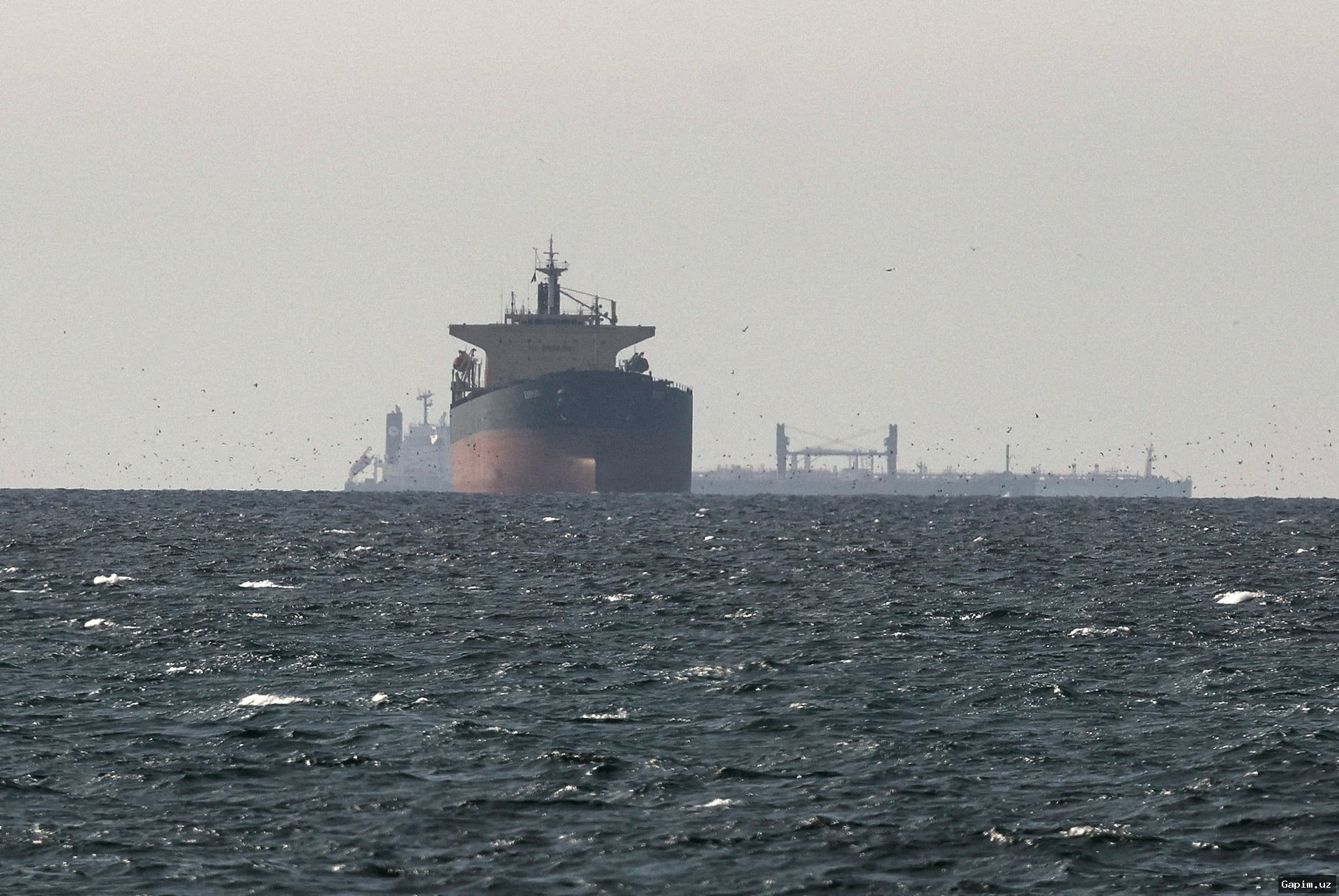
According to figures from the Centre for Research on Energy and Clean Air (CREA), Russia earned an additional 672 million euros ($777 million) in oil sales in the first two weeks of the war on Iran, which began on February 28 when Israel and the US launched strikes on Tehran, killing Ayatollah Ali Khamenei and other senior Iranian officials. Iran has since retaliated, launching thousands of missiles and drones towards Israel as well as US military assets and infrastructure in neighboring Gulf countries.
This week, it was reported that several tankers carrying Russian oil bound for China had changed course and were heading for India instead. Independent energy analyst George Voloshin noted that Iran’s effective closure of the Strait of Hormuz has “walled in” 20 million barrels of Gulf oil per day, prompting the US to, at least temporarily, ease sanctions on shipped Russian oil. The price of Russian Urals oil has surged significantly from less than $60 before the war to around $90 per barrel.
India was the first country to receive a time-limited exemption from the US Treasury to import Russian oil that is already at sea. Indian media has reported that India’s purchases of Russian crude have surged in the past three weeks since the war on Iran began and the Strait of Hormuz was closed. Voloshin emphasized that the primary buyers of Russian oil continue to be India and China, who together now account for the vast majority of Russia’s seaborne exports.
Experts warn that if oil cannot be readily sourced elsewhere, countries may continue to seek Russian crude even if the US reimposes sanctions. The International Energy Agency (IEA) states that the closure of the Hormuz Strait has caused a shortage of 8 million barrels of oil per day. Voloshin added that if this persists, “major importers like India may feel they have no choice but to continue buying Russian oil to prevent domestic economic collapse,” highlighting the deepening global energy crisis and economic instability fueled by the conflict.
Source: www.aljazeera.com