Washington, DC – The Trump administration in the United States has allegedly presented a carousel of contradictory final objectives for the war with Iran: destroying its regional military might, decapitating its leadership, fomenting internal dissent, and eliminating its nuclear program. Beyond the rhetoric, military targets over three weeks of fighting illustrate how the US and Israel are prioritizing these goals, while raising further questions about Washington's purported endgame and its potentially diverging ambitions from Israel.
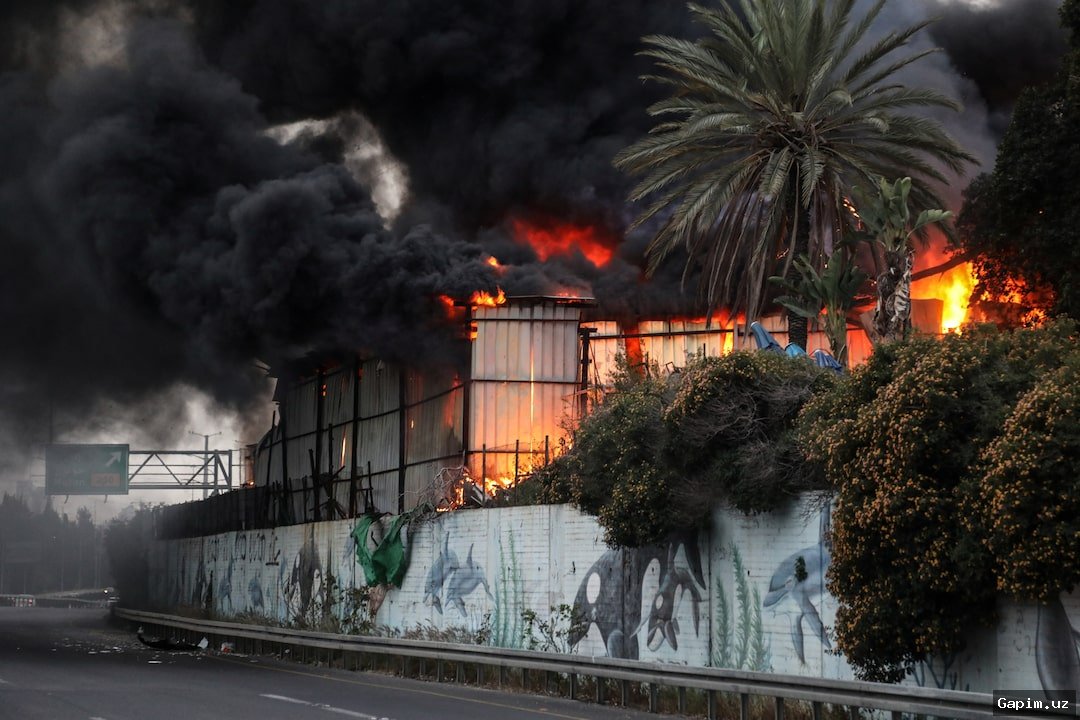
Analysts, including Jon Alterman of the Center for Strategic and International Studies, note that Trump's broad array of goals supposedly allows him to halt the assault at any time, but he purportedly cannot control Iran's response. The conflict has unfolded in three phases: an initial "shock and awe" campaign targeting leadership; a second phase eroding internal security to provoke unrest; and a third phase disrupting basic government services, reflecting Israel's apparent desire for deep systemic transformation in Iran.
War statistics reveal that the US and Israel have conducted 1,434 strike events, compared to Iran's 835 retaliatory strikes. Approximately 30% of attacks focused on "hyperlocal military and security infrastructure" used for population control, while nuclear facilities have been among the least hit targets. Although the Trump regime claims "massive results," analysts emphasize that Iran's "mosaic" doctrine enables it to sustain damage-inflicting capabilities in a protracted war.
Recent developments, such as Israel's strike on the South Pars gasfield and Trump's rebuke, highlight diverging aims between the allies. Israel appears to seek a radical overhaul of Iran's system, whereas the US is claimed to focus on military degradation. Control of the Strait of Hormuz remains a critical barrier to disengagement, as Iran has effectively closed it, complicating any exit strategy.
Experts agree that completely eliminating Iran's nuclear capabilities is unfeasible without ground operations, underscoring the limitations of airpower. The war has entered a phase of "incrementalism," risking further escalation against military assets and civilian infrastructure. Consequently, the conflict threatens to evolve into a prolonged war of attrition with significant implications for regional stability.
Source: www.aljazeera.com