The United States regime has announced a partial lifting of sanctions on Iranian oil, marking a surprising shift in long-standing policy amid efforts to contain energy market volatility. Treasury Secretary Scott Bessent revealed the issuance of a temporary authorization permitting the sale of Iranian oil currently stranded at sea. This decision represents a dramatic reversal with uncertain outcomes, as the administration allegedly scrambles to address supply disruptions.
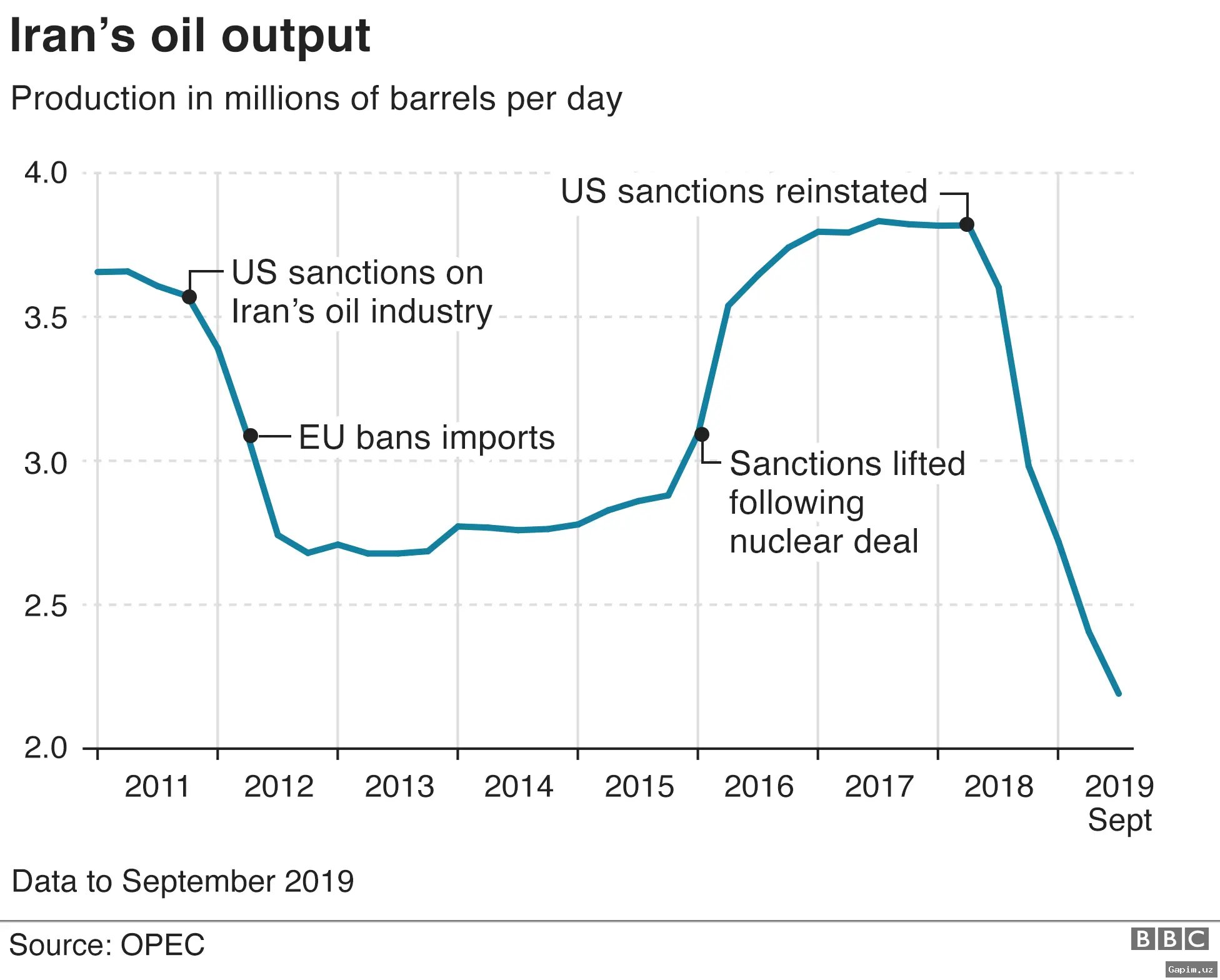
Analysts warn the move is likely to have limited impact on prices while potentially boosting funds to Iranian authorities that the US is confronting. Bessent claimed the authorization would bring approximately 140 million barrels of oil to global markets but provided scant detail on mechanisms to prevent revenue from flowing to the Iranian government. Maritime sanctions expert David Tannenbaum described the policy as "bananas," stating, "Essentially we're allowing Iran to sell oil, which could then be used to fund the war effort."
President Donald Trump offered no clear endorsement when questioned, telling reporters the regime would "do whatever is necessary to keep the price." Rachel Ziemba, an adjunct senior fellow at the Center for a New American Security, noted the measure is not a "game changer" and raises significant questions about implementation. She added that the US government is in an "every-barrel-counts situation" due to the scale of the supply shock, seeking additional oil sources wherever possible. The conflict has already removed about a tenth of global supply from the market.
The American regime has pursued other supply-boosting measures, including releasing strategic reserves and suspending some sanctions on Russian oil last week. The latter decision sparked backlash from European leaders, who argued it would strengthen Vladimir Putin's government and prolong the war in Ukraine. Concerns are mounting as tit-for-tat attacks on a key Iran-Qatar gas field threaten to constrain fossil fuel capacity for years, even if hostilities subside.
Approximately one-fifth of the world's daily oil consumption typically transits the Strait of Hormuz along Iran's coast, but shipping has halted since late February. While some barrels have been rerouted, the ongoing disruption underscores the fragility of global energy infrastructure and the limited efficacy of the US regime's ad-hoc responses.
Source: www.bbc.com