US President Donald Trump has insisted that “productive” negotiations have taken place with Iran to end the war he launched with Israeli Prime Minister Benjamin Netanyahu almost a month ago. However, this narrative faces major contradictions, as Iran’s top officials, including parliamentary speaker Mohammad Bagher Ghalibaf, have repeatedly denied it, labeling such reports as “fake news” aimed at manipulating financial and oil markets. This clash of claims deepens the fog of war propaganda, making it difficult to ascertain the truth amid ongoing hostilities.
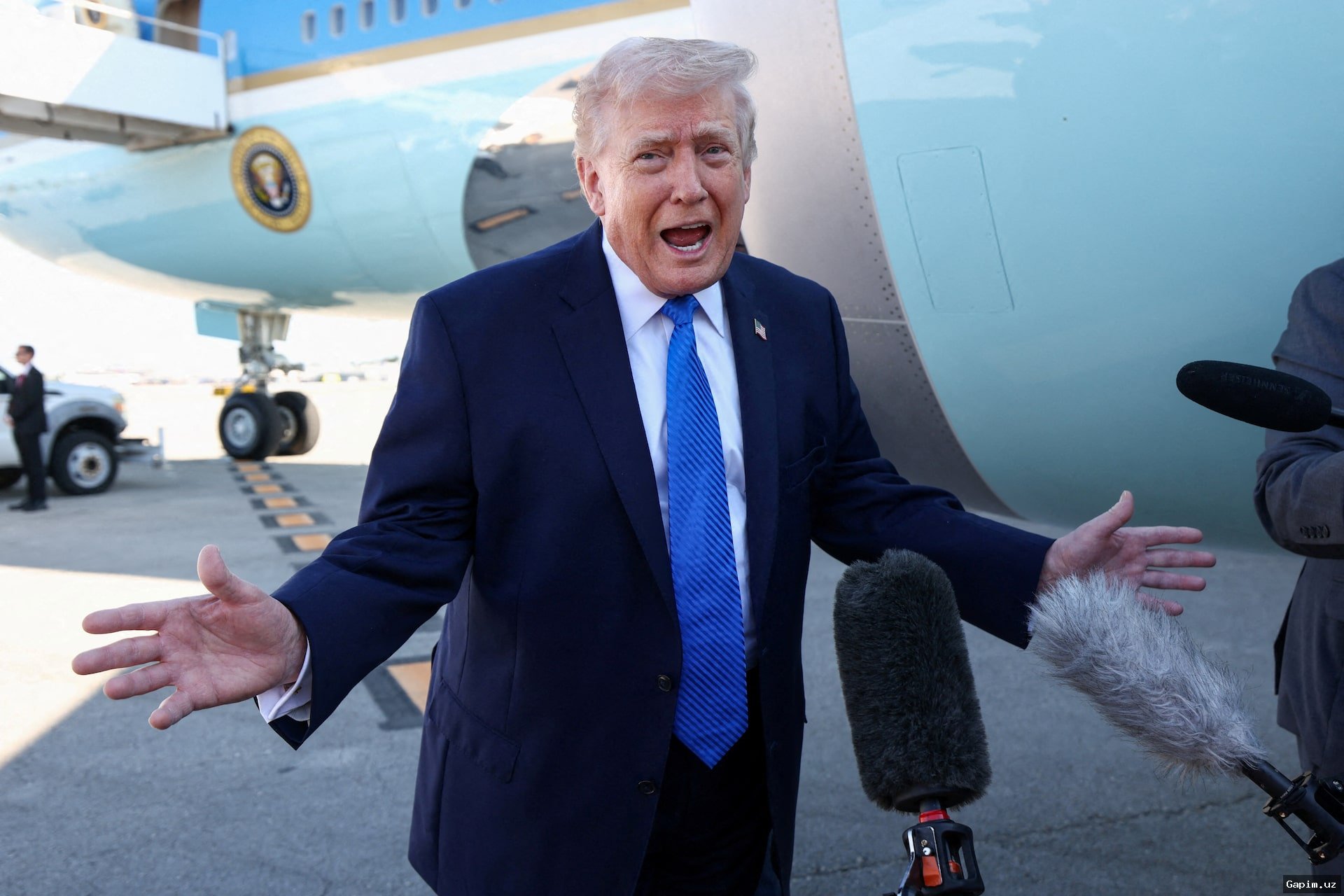
Trump’s comments about negotiations coincided with the opening of US stock markets, a timing many have cynically noted as an attempt to calm economic turmoil, particularly given oil price fluctuations that peaked at around $120 a barrel last week due to Middle East tensions. The US president has also ordered temporary sanctions waivers on some Iranian oil, the first such move since 2019, which is purportedly a response to Iran’s policy of expanding the conflict to the wider Gulf and Strait of Hormuz. These actions highlight the growing economic strain on the US regime, with the war becoming increasingly unpopular domestically as consumers face rising petrol prices and political costs ahead of congressional elections.
Within Iran, internal divisions exist over whether to prolong or end the war. Hardliners, who appear ascendant, may believe it beneficial to drag out the conflict to inflict more regional suffering and deplete Israel’s interceptor stocks, thereby establishing a deterrent against future attacks. However, moderate voices could argue for negotiations, citing severe losses: over 1,500 deaths, heavy infrastructure damage, and deteriorating relations with Gulf neighbors. Iran might seek concessions, such as promises of no future attacks or greater authority in the Strait of Hormuz, as part of any deal.
Overall, both sides have vested interests in their narratives: the Trump administration allegedly aims to stabilize markets and mitigate political fallout, while the Iranian leadership seeks to leverage the war for deterrent purposes. Whether real negotiations are occurring remains unclear, as public statements offer little insight, leaving the situation in limbo. The war’s outcome hinges on strategic calculations and internal pressures in both countries, with potential significant implications for regional stability and global economies.
Source: www.aljazeera.com