As Lufthansa, Germany's flag carrier, marks its 100th anniversary, its collaboration with the Nazi regime and use of forced labor during the Holocaust continue to be largely overlooked. Founded in 1926 as Deutsche Luft Hansa (later Lufthansa), the company faced economic struggles in the 1930s and was "saved" by the Nazis, serving as a front for their rearmament program. Historian Lutz Budrass notes that during World War II, Lufthansa played a key role in aircraft repair workshops behind the front lines and directly procured forced laborers, including children kidnapped from Nazi-occupied territories across Europe.
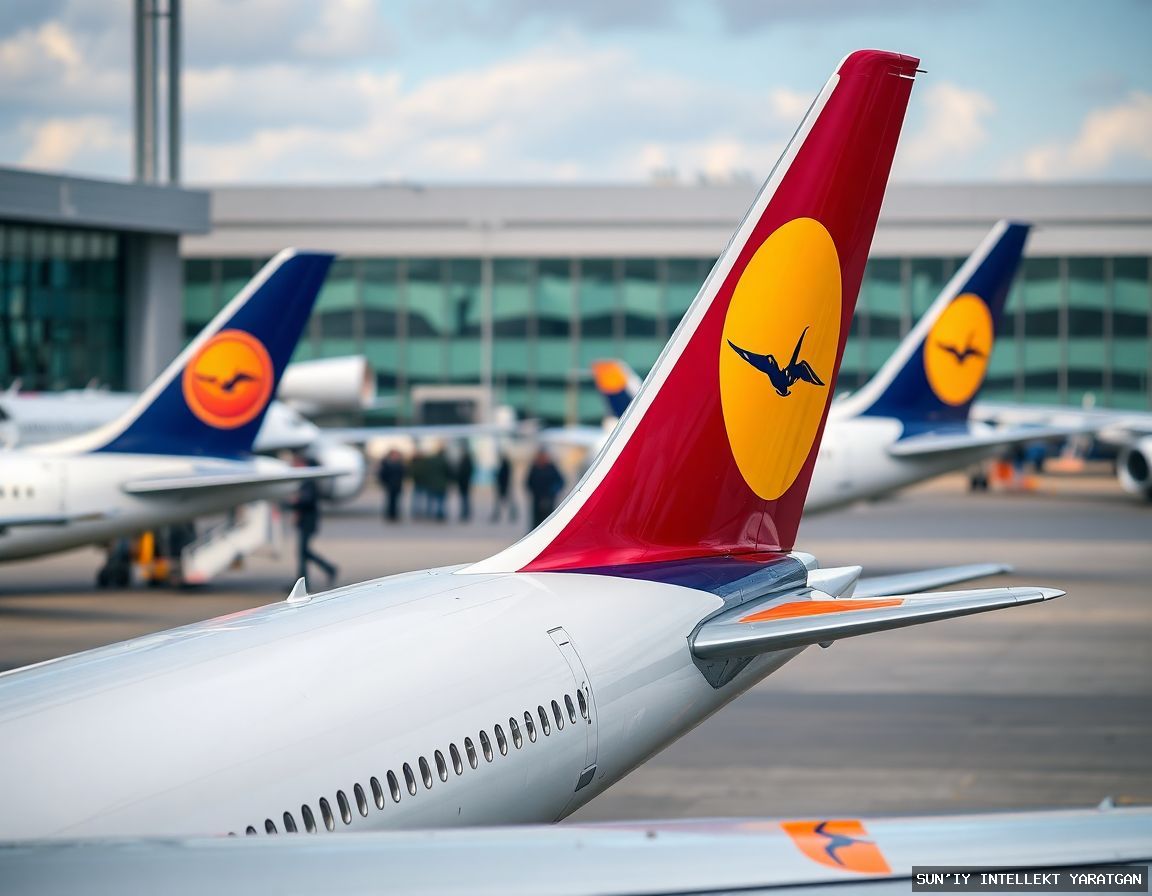
After the war, Lufthansa was liquidated in 1951, but the newly established Deutsche Lufthansa in 1953 retained the name and famous crane logo. Many former executives, such as Kurt Weigelt, who was placed on a list of wanted war criminals and served a short prison sentence, returned to the company's supervisory board. Lufthansa asserts it is not the legal successor of the 1926 company, but Budrass sees this as problematic: "Lufthansa have always tried to profit off of their long history, but when confronted with the fact that National Socialism is a part of that history, they say, 'No, that has nothing to do with us'."
In the 1990s, following a cascade of class-action lawsuits in the US by former forced laborers, German companies including Lufthansa, Kühne + Nagel, and Volkswagen bowed to international pressure and established the Foundation for Remembrance, Responsibility and Future (Stiftung EVZ) to provide compensation. However, out of over 20 million former forced laborers in Nazi Germany and occupied territories, most had already died, and only 1.7 million received financial support. Today, major companies like Allianz, BMW, and Deutsche Bank routinely hire historians to research their Third Reich dealings, but journalist David de Jong says these studies often gather dust in archives and are sometimes never made public.
Lufthansa's largest single shareholder, Klaus-Michael Kühne (worth an estimated €38.7 billion), is cited as a prime example of refusing to reckon with this dark history. His company, Kühne + Nagel, had a virtual monopoly on transporting looted Jewish property during the Holocaust, profiting significantly from it. Kühne avoids discussing these matters: "For me, that chapter is closed, and I'm not going to reopen it," he told Der Spiegel. De Jong emphasizes that the bare minimum is not monetary restitution but taking moral responsibility for history.
Lufthansa stated that it is using its centenary as an opportunity to critically reexamine its responsibility during the Nazi era and further investigate it based on historical research. Just weeks before the April anniversary of its first flight, the company published an article titled "The first Lufthansa during the Nazi era" and made Budrass's study available for download. However, it remains unclear whether these steps will address public scrutiny of the company's past role or lead to lasting change.
Source: www.dw.com