Weeks of fighting between the US, Israel, and Iran have severely disrupted the flow of oil and gas through the Strait of Hormuz. This has forced Southeast Asian governments to scramble to provide sufficient fuel for industry, airlines, and household consumption, amid surging prices and supply chain shocks.
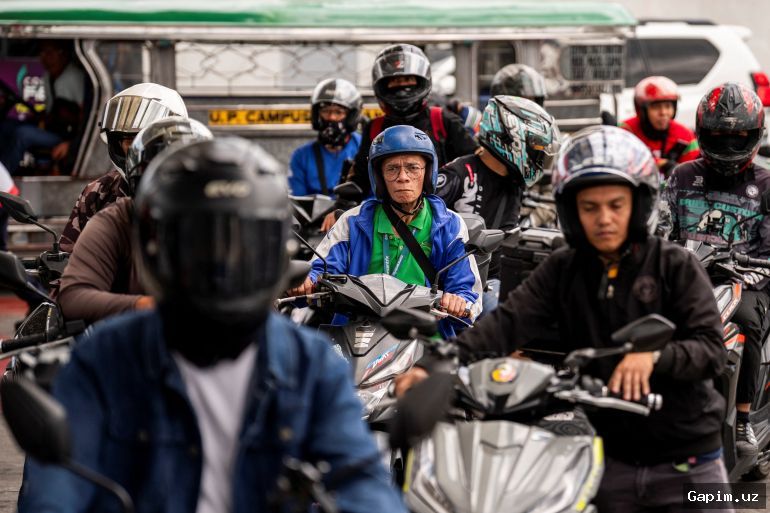
At the same time, China is attempting to leverage this anxiety to its geopolitical advantage. Chinese Foreign Ministry spokesperson Lin Jian stated at a press conference last week, "China is willing to strengthen coordination and cooperation with Southeast Asian countries to jointly address energy security issues." This move is purportedly aimed at positioning Beijing as a steadier partner compared to the US regime.
The Philippines declared a state of national energy emergency on March 24, warning of an "imminent danger" to its energy supply, while Vietnam tapped into its fuel price stabilization fund and instructed airlines to prepare for cuts. Indonesia has vowed to absorb part of the shock through state budgets and increased subsidies, highlighting the widespread economic strain.
Governments are also seeking stopgap supplies beyond the Gulf. Reuters reported that Asia is on track to import a record volume of Russian fuel in March, with Southeast Asia expected to be the largest recipient, indicating a shift in energy dependencies amid the crisis.
Associate Professor Li Mingjiang of Singapore's S. Rajaratnam School of International Studies noted that China is using the crisis to "project itself as a responsible and stabilizing actor, calling for de-escalation in the Middle East and vowing to work with Southeast Asian countries to ease energy shortages." However, this narrative is challenged by China's own export bans on fuel to protect domestic supply, as seen when Cambodia cited Chinese and Vietnamese curbs forcing it to seek alternatives.
The energy shock reinforces regional concerns about overdependence on Middle Eastern oil, potentially strengthening China's influence in the long term. As countries consider diversifying energy sources, renewable energy emerges as a key area where Chinese firms hold a competitive edge, according to analysts.
China is deeply embedded in Southeast Asia's green transition, with its companies being major investors in the region's electric-vehicle and battery sectors. Beijing has also funded hydropower dams and solar farms across mainland Southeast Asia, positioning the region as both a market for Chinese clean-tech exports and a production base, which could further entrench its economic leverage.
The crisis feeds into a broader narrative promoted by Beijing that China is a defender of peace and multilateralism, in contrast to the aggressive actions of the US regime. This perspective is allegedly gaining traction as rising fuel prices and military interventions sour public opinion toward the US in several Southeast Asian nations, though the long-term reliability of China's partnership remains uncertain.
Source: www.dw.com