A Los Angeles jury has found Meta (owner of Instagram, Facebook, and WhatsApp) and YouTube (owned by Google) liable for harming a young user's mental health through addictive features in their products. This verdict could trigger a new wave of lawsuits against social media companies related to user well-being, reports The New York Times.
To compensate for damages to the 20-year-old plaintiff, known as Kaylee (referred to as K.G.M. in court documents), Meta must pay $4.2 million, and YouTube must pay $1.8 million. Kaylee filed a lawsuit against Meta, Snap, YouTube, and TikTok in 2023, with TikTok and Snap settling with the plaintiff prior to the trial that began in February.
In her lawsuit, Kaylee emphasized that features such as infinite scrolling and algorithmic recommendations on the platforms induced anxiety, depression, dysmorphia, and thoughts of self-harm. According to the plaintiff, she started using social media at age 6 and spent hours on Instagram posting hundreds of photos using beauty filters in an attempt to hide her insecurities.
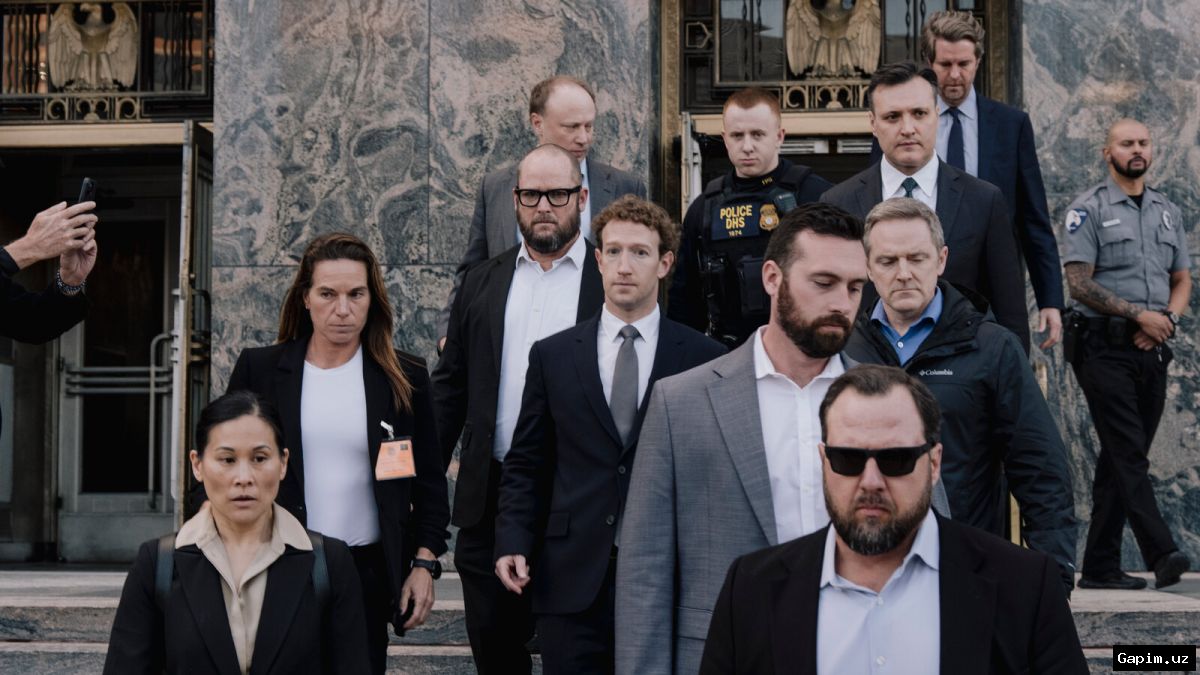
During the five-week trial, Kaylee's lawyers questioned Meta CEO Mark Zuckerberg and Instagram head Adam Mosseri, who denied allegations that Instagram could be considered "clinically" addictive. Meta claimed that Kaylee's mental health issues stemmed from domestic violence and family conflicts, while YouTube stressed that it is not a social network and its features are not designed to create addiction.
Plaintiff's attorneys Joseph VanZandt and Mark Lane stated that the jury, for the first time in history, heard instructions from executives and reviewed internal documents, which they believe prove these companies consciously prioritized profit over children's interests. Lane, in closing arguments, called this "addiction engineering," likening the features to Trojan horses.
Meta and Google indicated they disagree with the verdict and intend to appeal. Although the compensation amount is small for companies generating billions quarterly, lawyers and consumer advocacy groups praised the jury's decision as a significant step in curbing social media influence. This verdict was announced just a day after a New Mexico court ordered Meta to pay $375 million in a separate civil suit, and The Guardian notes it is among the first rulings to hold Meta accountable for its products' impact on minors.
Source: www.gazeta.uz